
“`html
Indonesia Faces Scrutiny Over Discriminatory Religious Freedom Laws Amidst Attacks on Minority worship
Table of Contents
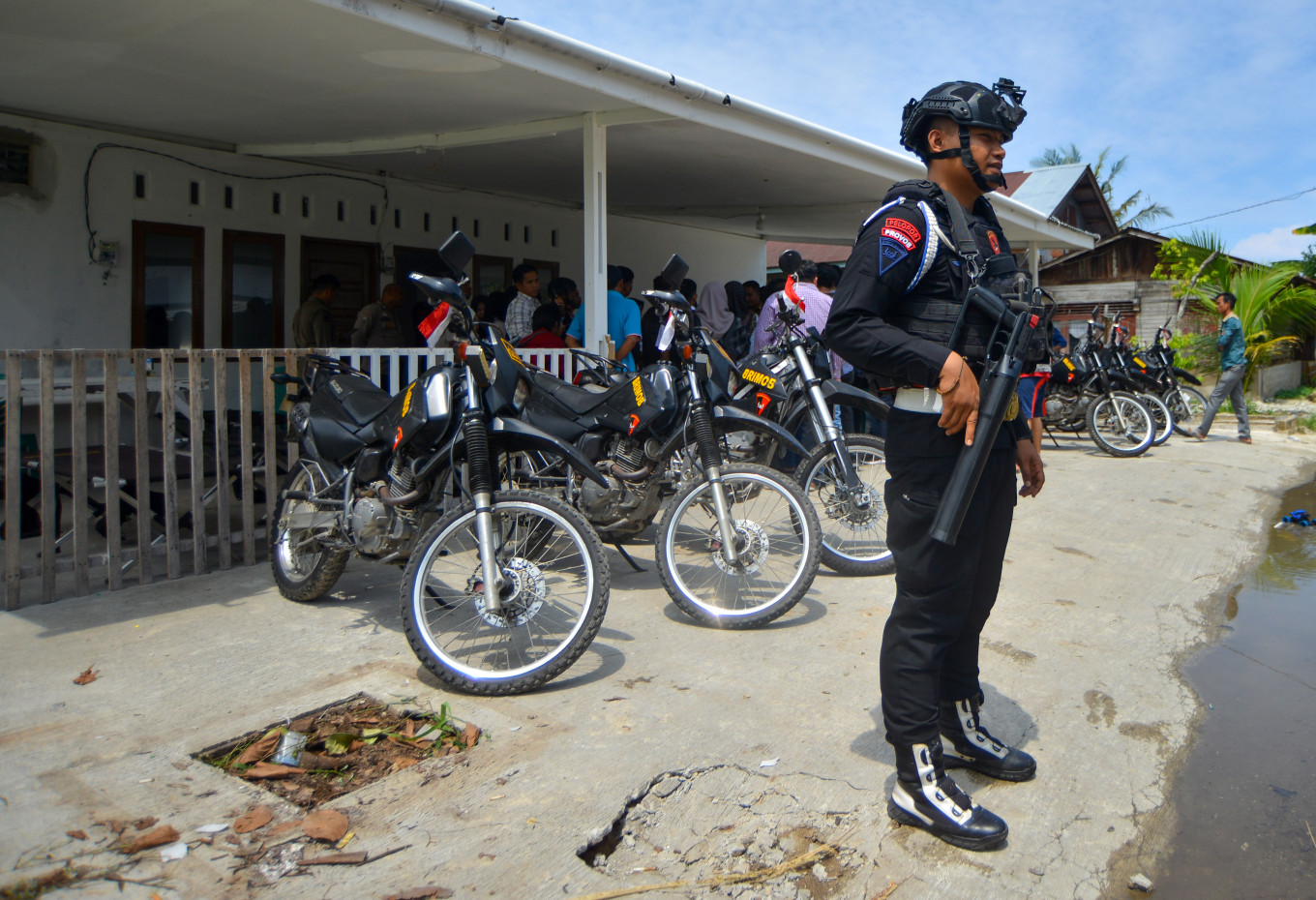
JAKARTA, Indonesia – A series of attacks targeting religious minorities in Indonesia, including incidents in Padang and Sukabumi, have brought renewed attention to a deeply entrenched structural problem: the near impossibility for religious minorities to legally establish formal houses of worship. this systemic issue,rooted in a notorious 2006 Joint Ministerial Decree,leaves minority groups vulnerable and fuels social division,according to critics.
Breaking News: Renewed Calls for Reform as Attacks Highlight Discriminatory Decree
Recent incidents of violence against religious minorities in Indonesia have intensified demands for the government to address the discriminatory 2006 Joint Ministerial Decree. This decree,issued by the Religious Affairs Ministry and Home Affairs Ministry,imposes stringent and often insurmountable requirements for building houses of worship,effectively hindering the rights of minority religious groups.
Evergreen Context: The 2006 Decree and its Impact on Religious Freedom
The core of the problem lies in the 2006 Joint Ministerial Decree, which mandates that religious groups seeking to establish formal places of worship must gather signatures from at least 60 individuals of different faiths and obtain formal permission from both local authorities and religious affairs offices. In regions with entrenched religious intolerance, these requirements are not merely difficult but practically impossible to meet.
This regulation has been widely criticized for being discriminatory and contradictory to Indonesia’s constitutional guarantees of religious freedom. Instead of fostering coexistence, critics argue, it empowers the majority to veto the rights of minorities, leading to resentment, social division, and, as evidenced by recent attacks, the potential for violence.
The consequence of this decree is that religious minorities are often forced to gather in private homes or makeshift venues. These informal settings then become targets for action under the pretext of legal or procedural violations, creating a cycle of vulnerability and persecution.
Government response and Calls for Action
The current government, led by President Prabowo Subianto, faces mounting pressure to move beyond expressions of regret and take decisive action.Analysts emphasize the need to dismantle discriminatory regulations, prosecute individuals who incite or perpetrate violence, and ensure that all citizens, regardless of their religious affiliation, can worship safely and freely.
The article highlights that a previous pledge by Nasaruddin’s predecessor, Yaqut Cholil Qoumas, to revise or revoke the 2006 decree went unfulfilled. Nasaruddin is now presented with a critical opportunity to enact policy changes that affirm, rather then restrict, religious freedom.
Moreover, law enforcement agencies are urged to uphold their obligation by ensuring that those responsible for the violence in Padang, Sukabumi, and othre locations face justice for violating basic human rights.
president Prabowo Subianto’s stance on religious freedom is also under scrutiny. The article stresses that the right to freedom of religion and belief is constitutionally protected and should not be negotiable. Silence or ambiguity from the highest office is seen as reinforcing the perception of state absence, indifference, or even complicity among both victims and perpetrators.
The overarching message is clear: words alone are insufficient to prevent future attacks. Only decisive and meaningful action can bring about lasting change and ensure genuine religious freedom for all Indonesians.
Crucial Details Not in original Article:
- Specific locations of recent attacks mentioned: Padang and Sukabumi.
- The names of the ministries involved in issuing the 2006 decree: Religious Affairs Ministry and home Affairs Ministry.
- The specific requirements of the 2006 decree: signatures from 60 people of different faiths and formal permission from local authorities and religious affairs offices.
- The name of the current President of Indonesia: Prabowo Subianto.
- The name of the predecessor of the current Religious Affairs Minister (implied): Yaqut Cholil qoumas.
Focus Angle: The article
