
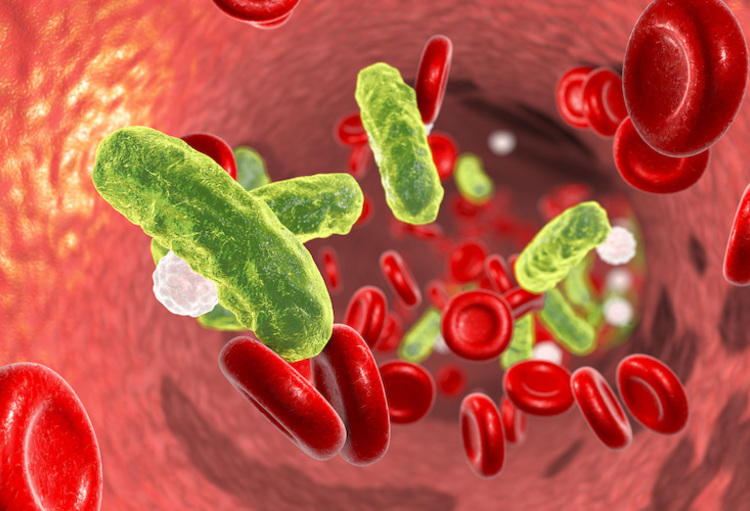
Ghent Scientists Discover Promising Sepsis treatment
Ghent scientists have identified a promising treatment for sepsis, also known as blood poisoning. New research on mice indicates that a combination of vitamin B1 and glucose can significantly slow the deadly effects of the condition. Almost all mice survived the infection due to a restored energy metabolism, according to findings published in the journal Cell Reports.
Sepsis is a severe and frequently enough fatal bodily reaction to an infection. It attacks not only germs but also the body’s own tissues, potentially damaging vital organs like the heart, kidneys, and lungs.The condition also leads to a buildup of lactic acid in the blood, rapidly worsening the situation. Worldwide, approximately 11 million people die from sepsis annually, and a targeted treatment remains elusive.
The research team at the VIB-UGent Center for Inflammation Research, led by Professor Claude Libert, uncovered a remarkably simple mechanism. They demonstrated that sepsis patients experience an acute shortage of vitamin B1 (thiamine) within their mitochondria, the energy-producing centers of cells. This deficiency prevents glucose from being converted into energy, rather transforming it into harmful lactic acid.
“for the first time, we were able to show that the problem is not a lack of oxygen, but a biochemical defect caused by a vitamin B1 deficiency,” explained lead researcher Louise Nuyttens. “The entire energy network shuts down, and lactic acid accumulates at an alarming rate.”
By administering vitamin B1, first alone and then with glucose, to mice with sepsis, the researchers observed a dramatic improvement. The animals’ bodies could once again process glucose into energy instead of lactic acid. “Almost all mice survived. This is one of the most potent metabolic interventions we have ever witnessed,” stated Professor Libert.
While the research has thus far been limited to mice, it provides a strong foundation for future studies. The scientists are now planning larger preclinical trials, hoping this straightforward treatment, utilizing globally available resources, can ultimately save human lives.
Share your thoughts on this groundbreaking research in the comments below! If you want to stay informed about the latest medical breakthroughs, subscribe to our newsletter.
