
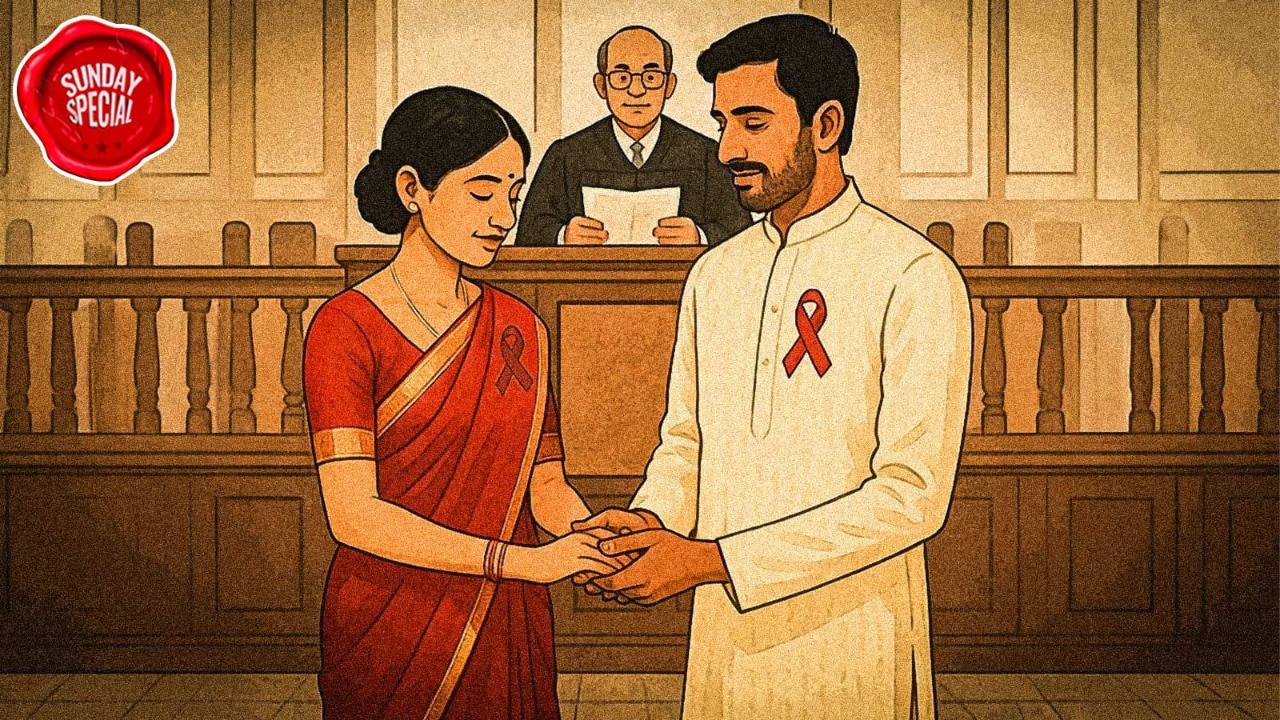
HIV Lives Matter: Love, Marriage, and Defiance in India
A Journey from Grim Prognosis to Thriving Families
For those diagnosed with HIV, the path has transformed dramatically, moving from a near-certain death sentence to the possibility of a full, healthy life, complete with marriage and family. Modern antiretroviral therapies (ART) and evolving societal attitudes are at the heart of this profound shift.
From Despair to Defiance: 23 Years of Living
Tarun, a Mumbai resident, faced a devastating HIV diagnosis in 2002, given only 30 days to live. Against all odds, he has now lived with the virus for 23 years. In 2002, an HIV-positive diagnosis was often met with profound social ostracization and despair, compounding the physical challenges.
Thanks to advancements in ART, strong family backing, and a supportive peer network, Tarun, now 46, leads a vibrant life. He is married to Anushka, who is also HIV-positive. Together, they are raising a biological daughter, who is HIV-negative, and an adopted son, embodying a new reality for many.
A Growing Trend: HIV-Positive Marriages Rise
India contends with one of the world’s largest HIV burdens, estimated at 2.5 to 3 million people. A significant portion, roughly a third, fall within the 21-35 age bracket, a key demographic for marriage. Experts observe a notable increase in marriages among HIV-positive individuals compared to a decade ago.
“Today, more HIV-positive people are getting married compared to a decade ago.”
—Anjali Gopalan, Founder and Executive Director, The Naz Foundation (India) Trust
This trend extends to HIV-positive individuals marrying HIV-negative partners. HIV-positive individuals are now even marrying HIV-negative people,
Gopalan stated, highlighting the impact of her organization’s decades of work on HIV/AIDS and sexuality.
New Avenues for Finding Love
The search for partners is also adapting. Online platforms specifically for HIV-positive individuals, such as HIVParichay.com and Positivesathi.com, have emerged. Major matrimony service Jeevansathi.com has even introduced a dedicated section for HIV-positive users.
However, traditional methods remain significant. Annual meet-ups organized by the National AIDS Control Organisation (Naco), with some support from the World Health Organization (WHO), are still primary avenues for many to find partners. These community gatherings, often referred to as melawas in Maharashtra, are crucial for connection.
The Journey from Diagnosis to Family Planning
Tarun‘s personal journey underscores the profound transformation. After his diagnosis, fear and the initial grim prognosis were mitigated by his mother’s unwavering support. A healthier lifestyle, consistent medication, and regular check-ups improved his health and outlook, allowing him to transition from a chef to a call center employee and later a peer counselor.
It was during his counseling work that he met Anushka, who had faced abuse from her in-laws after her husband’s death from AIDS. Their professional connection blossomed into a friendship and ultimately, marriage.
Navigating Parenthood Safely
For couples like Tarun and Anushka, childbirth presented significant hurdles. They faced discrimination, with many hospitals refusing services. They were also wrongly informed they couldn’t have an HIV-negative child.
Medical experts clarify that with consistent ART, a mother’s viral load can be suppressed to undetectable levels, reducing the risk of transmission to her baby to less than 1%. If the mother is HIV-positive, she is placed on lifelong antiretroviral therapy (ART) to suppress the virus to undetectable levels. With proper adherence, this reduces the risk of transmission to the baby to less than 1%,
explained Dr. Rashmi Singh, a Delhi-based medicine specialist.
Newborns receive preventive medication and are monitored through regular testing for up to 18 months. For HIV-positive fathers, assisted reproductive technologies like sperm washing can also ensure safe conception, protecting both mother and child. In India, the ART program is recognized as one of the most cost-effective globally, with essential medications provided free by the government.
Challenges and Resilience in Relationships
Maintaining health within a marriage requires ongoing vigilance, even for HIV-positive couples. Tarun notes the need for careful planning regarding unprotected sex, even with controlled viral loads, as semen can still impact a partner’s CD4 count. Regular monitoring of viral load and CD4 counts guides safe family planning decisions.
Beyond the medical, emotional and practical challenges persist. In serodiscordant couples (where one partner is HIV-positive), adjustments regarding trust and intimacy may be necessary. When there is openness and honesty about one’s HIV status, many couples are able to make it work. With the right support and counselling, people often choose to focus on the relationship and the bond they share, rather than the condition,
emphasized Anjali Gopalan.
Overcoming Hurdles: From Meet-ups to Matchmaking
Finding a partner remains a significant hurdle, with success rates at community HIV gatherings often cited as low, around 1-2%. A notable gender disparity, with approximately 80% of attendees at these events being men, further complicates matchmaking.
Many individuals, particularly from underprivileged backgrounds, may not be tech-savvy enough to navigate online platforms. Furthermore, the emotional toll of living with HIV can impact engagement with online services. Social factors, such as the persistent emphasis on caste for marriage partners, can also derail potential matches.
Despite these obstacles, the landscape for people living with HIV is shifting. Advances in treatment, increased awareness, and dedicated support networks are empowering individuals to pursue fulfilling lives and relationships, reclaiming their right to love and companionship.
A 2023 report by UNAIDS highlighted that in 2022, 76% of adults living with HIV globally were accessing antiretroviral therapy, a significant increase from previous years, underscoring global progress in managing the virus and improving quality of life (UNAIDS Fact Sheet 2023).
