
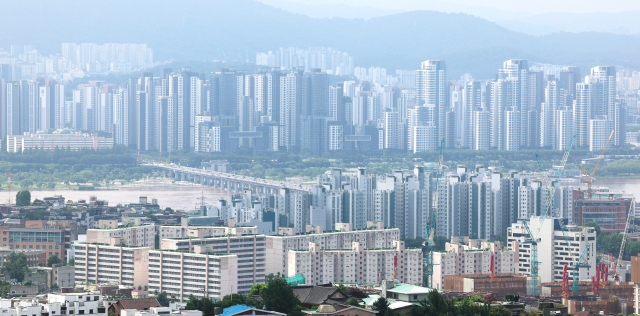
Foreigners Eye Seoul Real Estate Amid Proposed Purchase Curbs
Chinese Nationals Lead July Buying Surge as Lawmakers Consider New Restrictions
Foreign interest in Seoul’s property market remains strong, prompting legislative action to restrict overseas buyers. Despite a slight month-over-month decrease, foreign purchases of apartments and officetels significantly outpaced the overall decline in Seoul’s building transactions.
Chinese Buyers Dominate Transactions
Data from the court’s registration information plaza reveals 135 foreigners registered ownership transfers for collective housing in Seoul between July 1st and 24th. Chinese nationals constituted the largest group, accounting for 48% of these transactions, a notable increase from the previous month. Guro-gu was the most popular district, followed by Geumcheon-gu and Yeongdeungpo-gu.
This trend has intensified scrutiny since new regulations on June 27th, which limit mortgage loans for foreign property purchasers in the metropolitan area and require existing homeowners to sell their properties within six months. However, critics point out that foreigners can circumvent domestic loan restrictions by using overseas financial institutions and often face fewer hurdles regarding residency requirements and taxes due to the difficulty in verifying their addresses and property holdings within South Korea.
Legislative Efforts Target Foreign Property Acquisition
In response to growing concerns about potential “reverse discrimination” against Korean buyers, lawmakers are advancing proposals to regulate foreign property purchases. Lee Eon-ju, a Democratic Party lawmaker, has submitted an amendment requiring preliminary approval for foreigners buying domestic property, along with a stipulation for a minimum three-year residency period post-purchase.
Similarly, Kim Mi-ae, another member of the National Assembly, has proposed requiring preliminary licenses from local government heads for foreigners acquiring land in designated overheating or adjustment zones.
These legislative moves come as South Korea continues to grapple with housing affordability. For instance, the average home price in Seoul reached approximately 1.2 billion KRW (around $900,000 USD) in early 2024, highlighting the sensitivity surrounding property ownership dynamics (KOSIS, 2024).
