Lions Arrive in Melbourne Amidst AFL Dominance
Rugby’s Big Match Faces an Uphill Battle for Local Attention
The British and Irish Lions have landed in Melbourne for a crucial Test, but the city’s sporting landscape, heavily tilted towards Australian Rules Football, presents a unique challenge for the touring side.
A City Unaware
The Lions are currently training at a prestigious private school in Kew, a Melbourne suburb. However, many local students are reportedly unaware of the significance of their temporary visitors. One schoolmaster noted, “Most won’t even know the difference between rugby union and league.”
The ambition among many students is to play in the AFL, with its long history of premiership winners, rather than pursue rugby, where notable alumni are scarce.
Melbourne, a vibrant city renowned for its sporting passion, boasts numerous arenas, with the Melbourne Cricket Ground (MCG) being a prominent landmark. While the Australian Open tennis tournament, horse racing at Flemington, and Formula 1 at Albert Park capture significant attention, rugby union appears to be lower on the public’s agenda.
Expectations for the Second Test
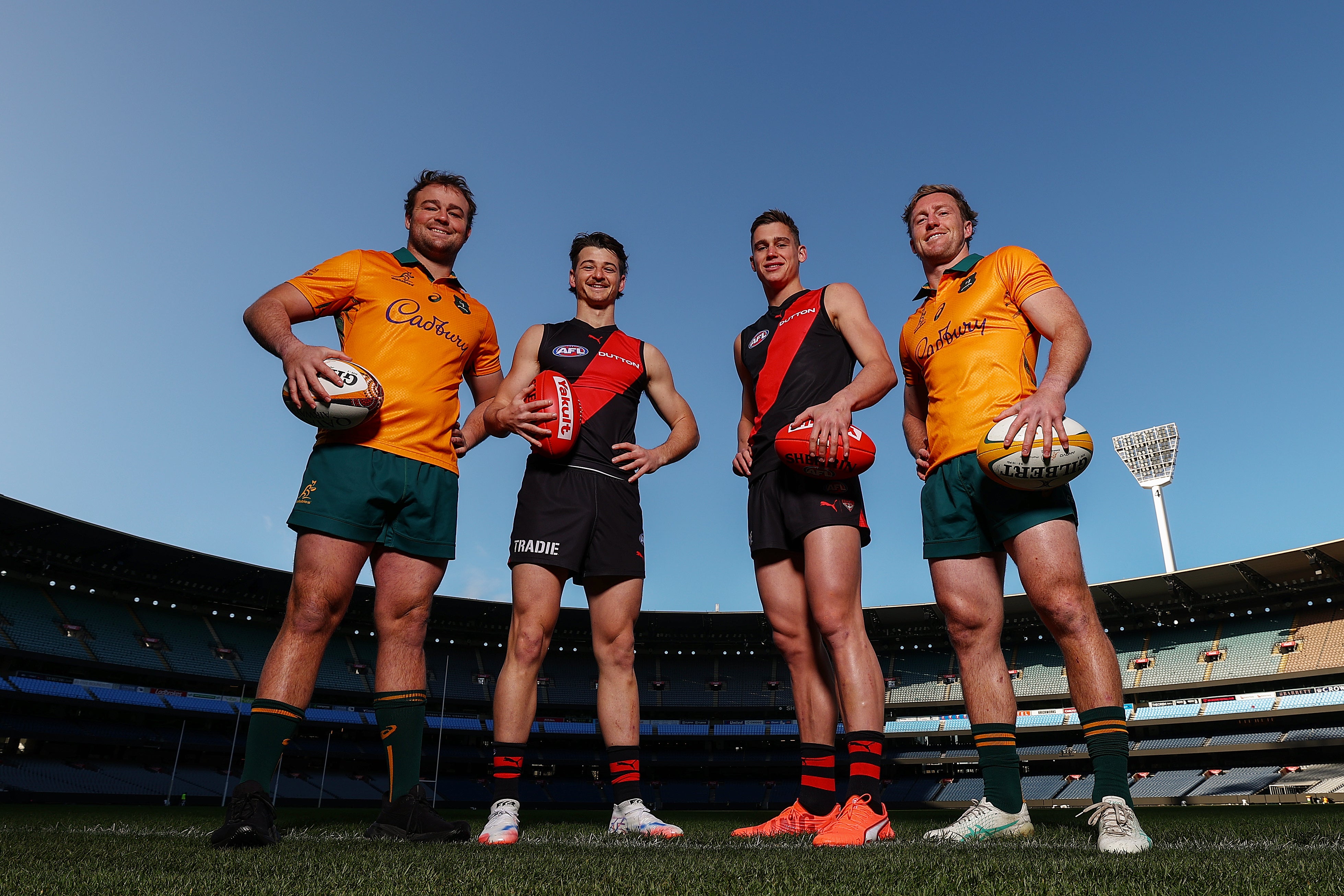
Despite the anticipation for the second Test, expected to draw nearly 90,000 spectators to the MCG, a significant portion of the crowd is anticipated to be comprised of Lions supporters. Local reporters have questioned Wallabies players, including **Rob Valetini** and **James Slipper**, about the prospect of playing in front of a largely partisan away crowd on home turf, with little pushback.
“It’s one thing about this country, regardless of the sport, they’ll get behind the national colours. The landscape in Australia is quite clouded. There’s a lot of sports, a lot of opportunities for kids to play different sports, and that’s great itself. But for us, we want to be a team that not just invites, but motivates kids to play rugby. That’s the key for us. We want to be a team that kids enjoy watching, fans enjoy watching, and then hopefully the game grows from there.”
—James Slipper, Wallabies Player
Australian rugby faces a challenge in engaging the youth, with many sports vying for attention. In 2023, the Australian sports participation rate for adolescents aged 12-17 saw rugby union at 3.8%, trailing behind sports like basketball (9.3%) and soccer (8.6%) according to the Australian Human Rights Commission.
The Demise of the Melbourne Rebels
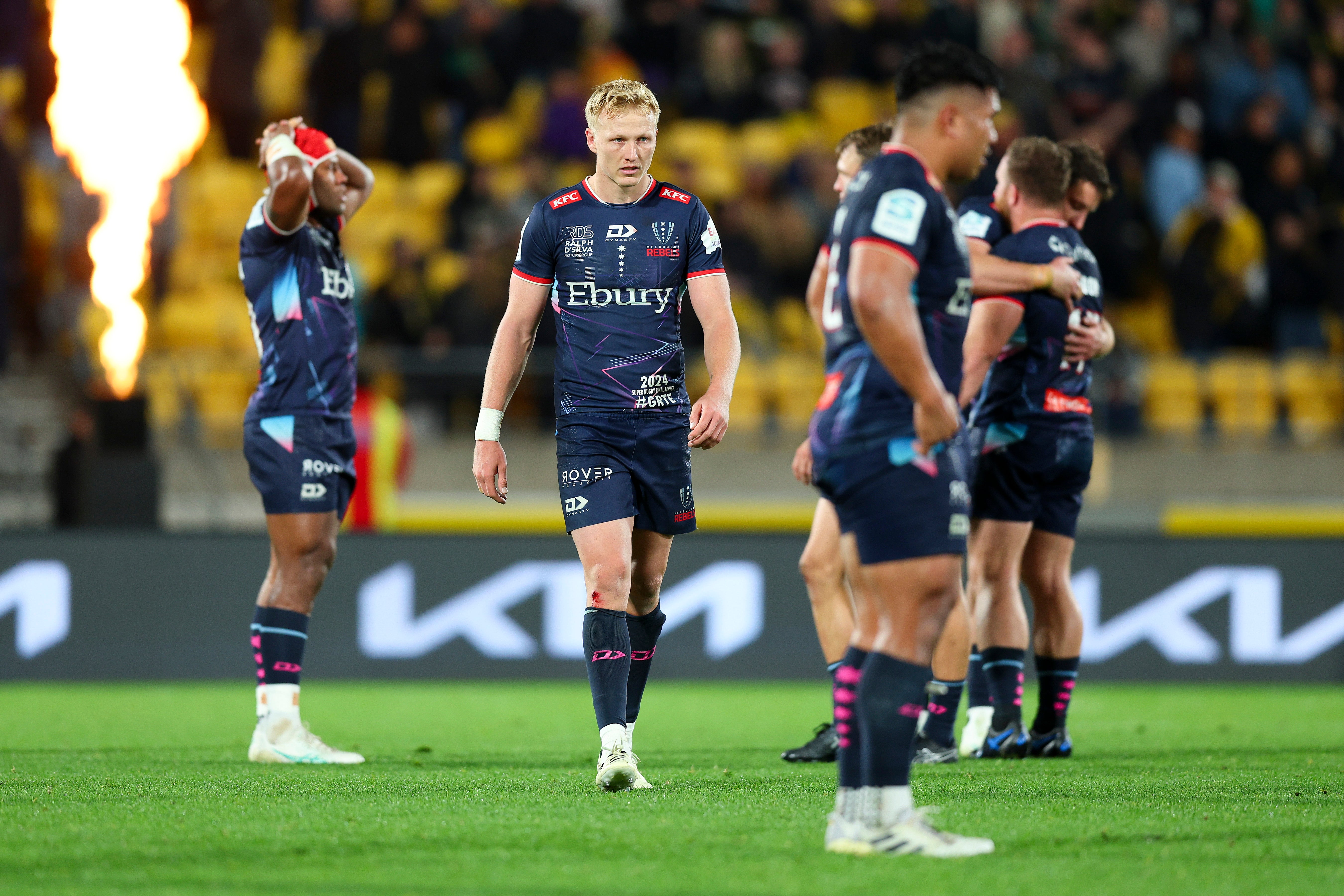
The absence of a Super Rugby Pacific franchise in Melbourne, following the disbandment of the Melbourne Rebels, has impacted the development pathway for local talent. The Rebels, established in 2011, struggled financially and on the field, never finishing higher than ninth and failing to qualify for the playoffs in their existence. Their financial losses were substantial, estimated at AU$54 million.
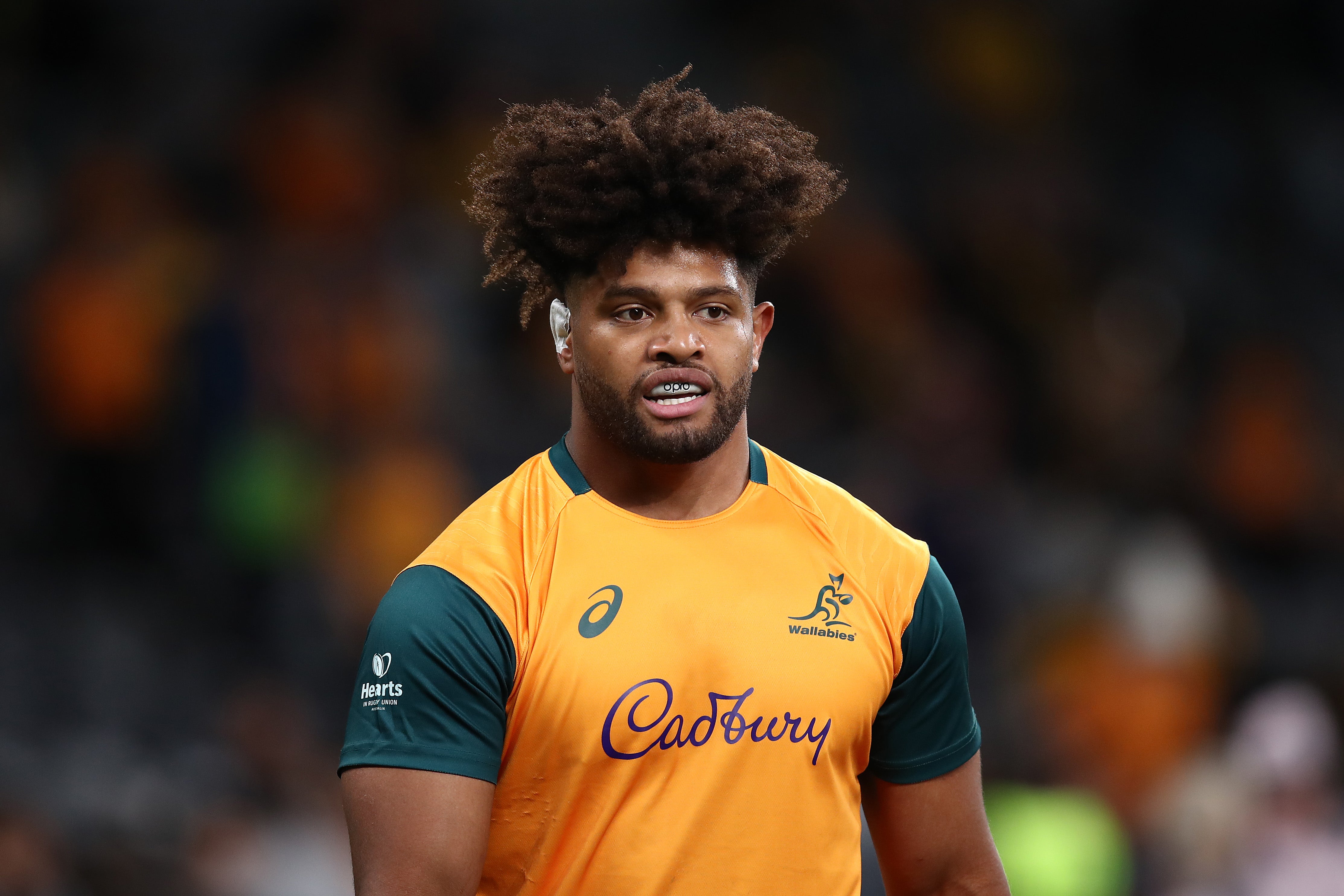
Despite the challenges, Melbourne continues to produce talented players, such as **Rob Valetini**, a prominent figure for the Wallabies. **Valetini**, who grew up in Melbourne, expressed his disappointment at the Rebels’ demise, noting it was a goal for many young players. He stated, “Rugby sits quite low in the ecosystem, but that never really distracted me from anything.”
Forging Pathways and Future Growth
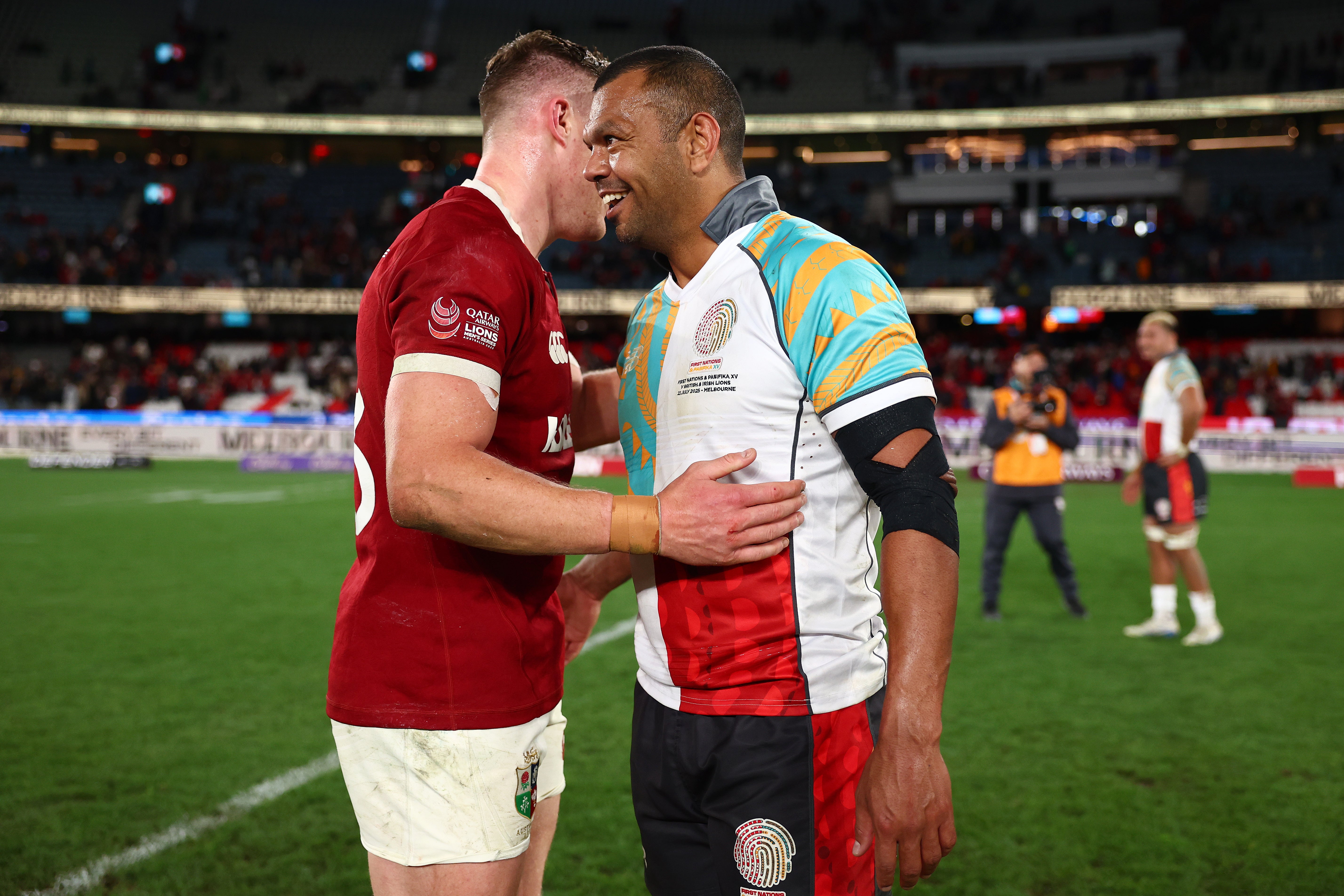
The cancellation of the Rebels’ match against the Lions led to the formation of the First Nations & Pasifika XV, who played with pride at Marvel Stadium. This initiative, captained by **Kurtley Beale**, highlights the importance of inclusivity and diverse representation in Australian rugby. **Beale** emphasised the significance of such opportunities, stating, “If you look at the Wallabies now and in the past, there has been a lot of Pasifika & First Nations representation at that level, and to be able to bring talent through and create pathways for those kids is what it is all about.”
He believes this concept is vital for the sport’s future growth.