
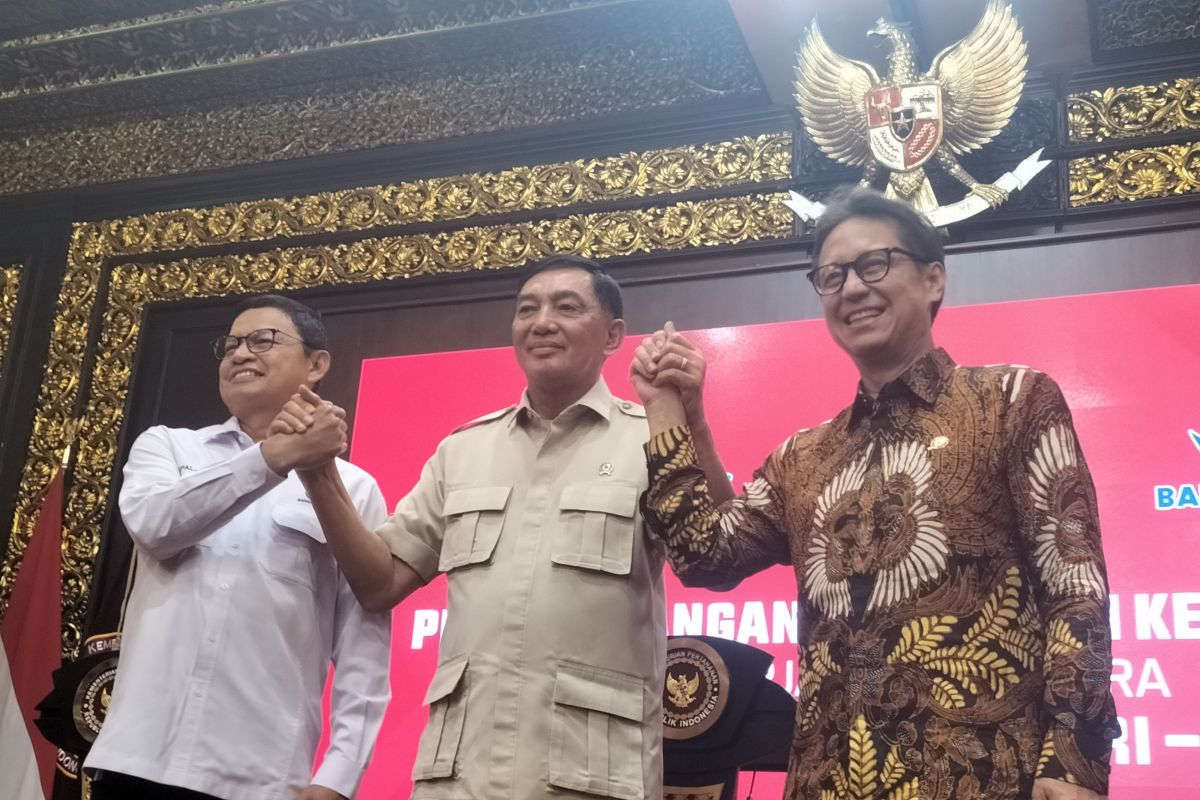
Military to Aid Health Ministry in Building 14 Hospitals in Conflict Zones
Papua and other sensitive areas to benefit from defense force support
Indonesia’s military (TNI) will partner with the Ministry of Health to construct 14 new hospitals, primarily in conflict-ridden regions such as Papua. The groundbreaking collaboration aims to leverage the TNI’s extensive resources and security expertise for vital infrastructure development.
Defense Minister Outlines Strategic Partnership
Defense Minister Sjafrie Sjamsoeddin confirmed the agreement, highlighting its importance for ensuring the safe and successful completion of these much-needed facilities. The pact was formalized through a memorandum of understanding signed in Jakarta.
“This is intended to ensure the construction is safe and achieves its goals,” he told the press.
—Sjafrie Sjamsoeddin, Defense Minister
The TNI will provide personnel for both the construction phases and for staffing the hospitals once operational. Crucially, military units will also be deployed to safeguard construction sites against potential disruptions from various groups.
Hospitals Slated for 2026 Construction Start
Construction on the 14 hospitals is slated to commence in 2026. Health Minister Budi Gunadi Sadikin expressed gratitude for the TNI’s forthcoming assistance, citing their robust construction capabilities, significant manpower, and high security protocols as key advantages.
Sadikin believes the TNI’s involvement will streamline the construction process and enhance the overall security framework. This strategic alliance is expected to accelerate the delivery of essential healthcare services to underserved and volatile areas.
TNI’s Capabilities Crucial for Project Success
The Ministry of Health recognizes the TNI’s unique position to support such a large-scale undertaking. The armed forces possess comprehensive construction facilities and a substantial personnel base, enabling them to manage complex projects effectively.
Their established security standards are also vital for operating in regions prone to conflict, where ensuring the safety of workers and future patients is paramount. The collaboration underscores a multi-faceted approach to improving healthcare infrastructure in challenging environments.
According to the World Health Organization, strengthening healthcare infrastructure in fragile and conflict-affected regions is crucial for achieving universal health coverage. Investments in such areas often yield significant improvements in health outcomes for vulnerable populations (WHO).
