
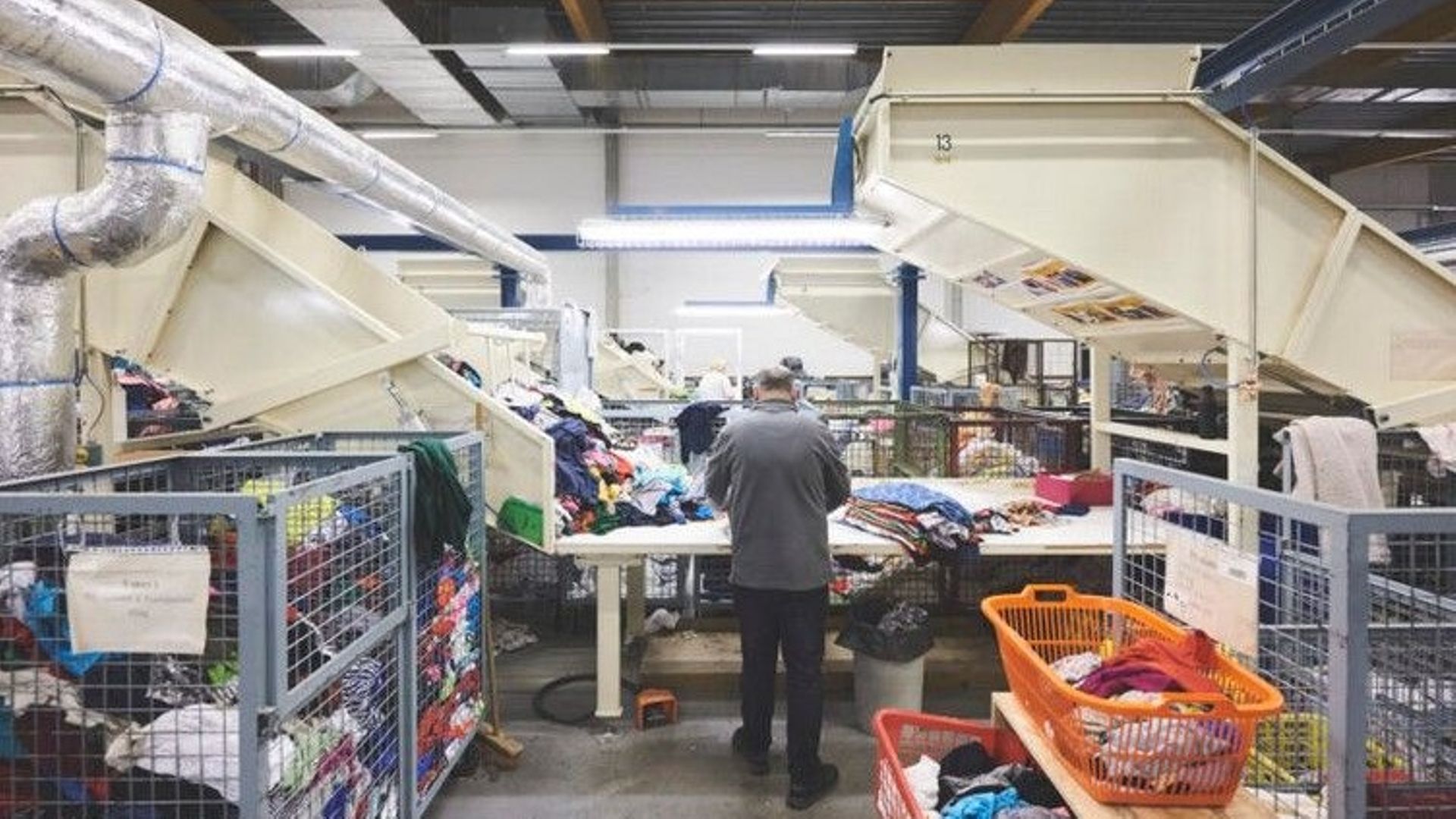
Textile Recyclers Face Collapse Amidst New EU Directives
Sector Cries Out for Aid as “Fast Fashion” Surges
Belgian textile recycling firms are on the brink of failure, struggling to cope with a new European mandate to process all textile waste, regardless of quality. Operators are now demanding immediate financial support to avert widespread job losses and a surge in street-clogging discarded clothes.
Urgent Call for Financial Lifeline
Since January, the recycling sector has been legally obliged to handle every scrap of textile residue. This burden, coupled with the ongoing impact of “Fast Fashion”—which floods the market with low-quality items—has pushed the industry into a critical state. Organizations like Little Riens and Oxfam, backed by the Federation of Social and Circular Resources, warn of dire consequences if action isn’t taken.
“We are launching a cry of alarm. We are fighting to maintain a virtuous model. We still speak of 500 jobs in Brussels which are weakened and in danger! We need to have financial aid which is legitimate as soon as we assume a public service mission.”
—Thierry Smets, Director General of ASBL
The company leaders are appealing for an emergency subsidy of 206 euros per tonne for treatment. They are also anticipating broader structural aid promised for 2028, but express concerns about surviving until then.
“Fast Fashion” Fuels the Crisis
The existing precariousness of the sector was significantly exacerbated before the January directive. A primary driver identified is the relentless cycle of “Fast Fashion,” leading to an escalating volume of lower-grade used textiles entering the system. This influx overwhelms the processing capabilities of recycling facilities.
In Brussels specifically, approximately 20% of textile waste is currently collected without any financial backing from the regional government. This lack of support places an unsustainable strain on operators who are performing a vital public service.
Little Riens Seek Government Action
Little Riens hopes that the proposed temporary funding of 206 euros per tonne will be integrated into the policy framework of the incoming Brussels government. This injection of capital is seen as crucial for the short-term survival of the sector.
Globally, the textile waste crisis is immense. The Ellen MacArthur Foundation reported in 2023 that around 92 million tonnes of textile waste are generated annually worldwide, with a significant portion ending up in landfills or incinerated.
Jobs and Environment at Stake
Without immediate political intervention and financial aid, the operators warn that streets will become inundated with textile waste, and hundreds of jobs will be lost. The very survival of the industry, vital for a circular economy, is under severe threat. The companies are appealing for recognition of the public service they provide and the financial support that must accompany it.
