
Congo Grapples With Concurrent Health Crises
Cholera Outbreak Intensifies Amidst Conflict and Strike
The Democratic Republic of the Congo is facing a multifaceted crisis as a spiraling cholera outbreak strains an already fragile health system, challenged by ongoing conflict, a resurgence of mpox, and a nationwide health worker strike.
Cholera Cases Surge Across the Nation
Health Minister Roger Kamba announced at a Kinshasa press conference that cholera cases have surpassed 33,000 since January, with a fatality rate nearing two percent. The WHO reported 31,749 cases in all of 2024. The outbreak has now spread to 17 of the nation’s 26 provinces, including newly affected Kwilu, Mai-Ndombe, and Mongala.
“This means we are in the acute phase of the epidemic, which is still on the rise,”
said Kamba.
Kinshasa is among the hardest-hit areas, reporting confirmed or suspected cases in 27 of its 35 health zones. Around 130 new cases emerge weekly, often resulting in deaths. The minister announced the opening of new treatment centers providing free care.
Conflict Zones Hinder Aid Delivery
The situation in South Kivu province, especially Uvira city, remains critical. Ongoing armed conflict has severely hampered humanitarian access and the delivery of medical supplies. After Bukavu was seized by M23 rebels in February, Uvira became the temporary provincial administrative center. Supplies must now be rerouted through Kalemie, delaying emergency response efforts. As of 2023, only 43% of the DRC’s population had access to improved water sources, increasing the risk of waterborne diseases like cholera (UNICEF).
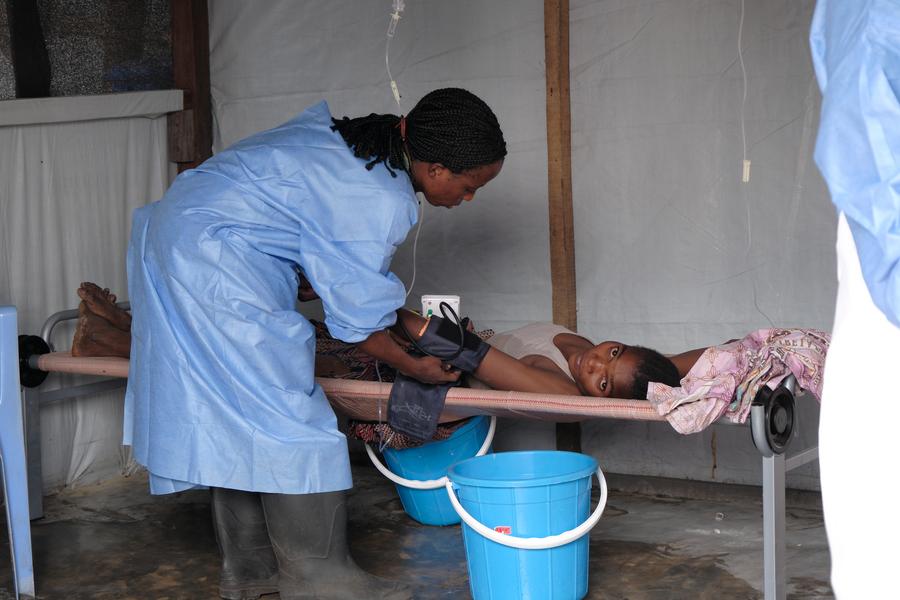
Tshopo province is an epicenter of the outbreak, driven by poor sanitation along rivers. Open defecation, particularly in port areas, remains a significant factor.
Mpox Resurgence and Health Worker Strike
The DRC is also battling a resurgence of mpox. Since early 2024, more than 37,000 confirmed cases have been reported by 25 countries, with the DRC accounting for 60 percent of confirmed cases and 40 percent of reported deaths, according to the WHO.
Members of the Free Doctors’ Union (SYLIMED) began a nationwide strike Friday, citing the government’s failure to honor past commitments. Andre Kasongo, SYLIMED Secretary-General, criticized authorities for neglecting frontline doctors and reported deaths among health workers combating cholera.
“The government must provide ammunition to its health fighters,”
Kasongo said. “If it refuses to acknowledge their precarious conditions, doctors will simply give up. That is exactly what we have done.”
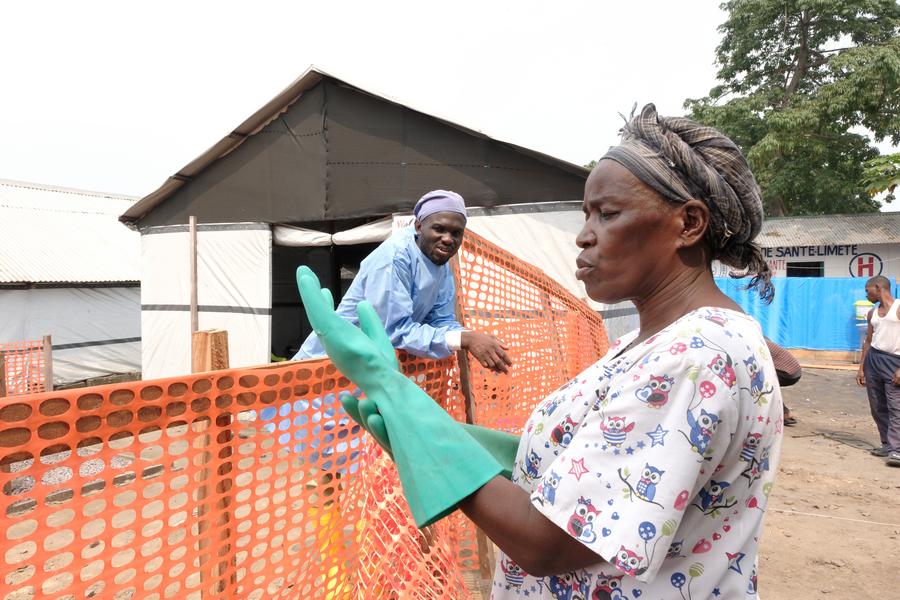
Kamba highlighted the country’s structural vulnerability to recurring outbreaks, citing a combination of natural and human-caused factors such as disasters and mass displacement.
“You know our country is one where epidemics often emerge, due to a combination of factors, some natural, others not, such as disasters and mass displacement of people. All these elements contribute to the heightened risk of epidemics,”
Kamba noted.
