
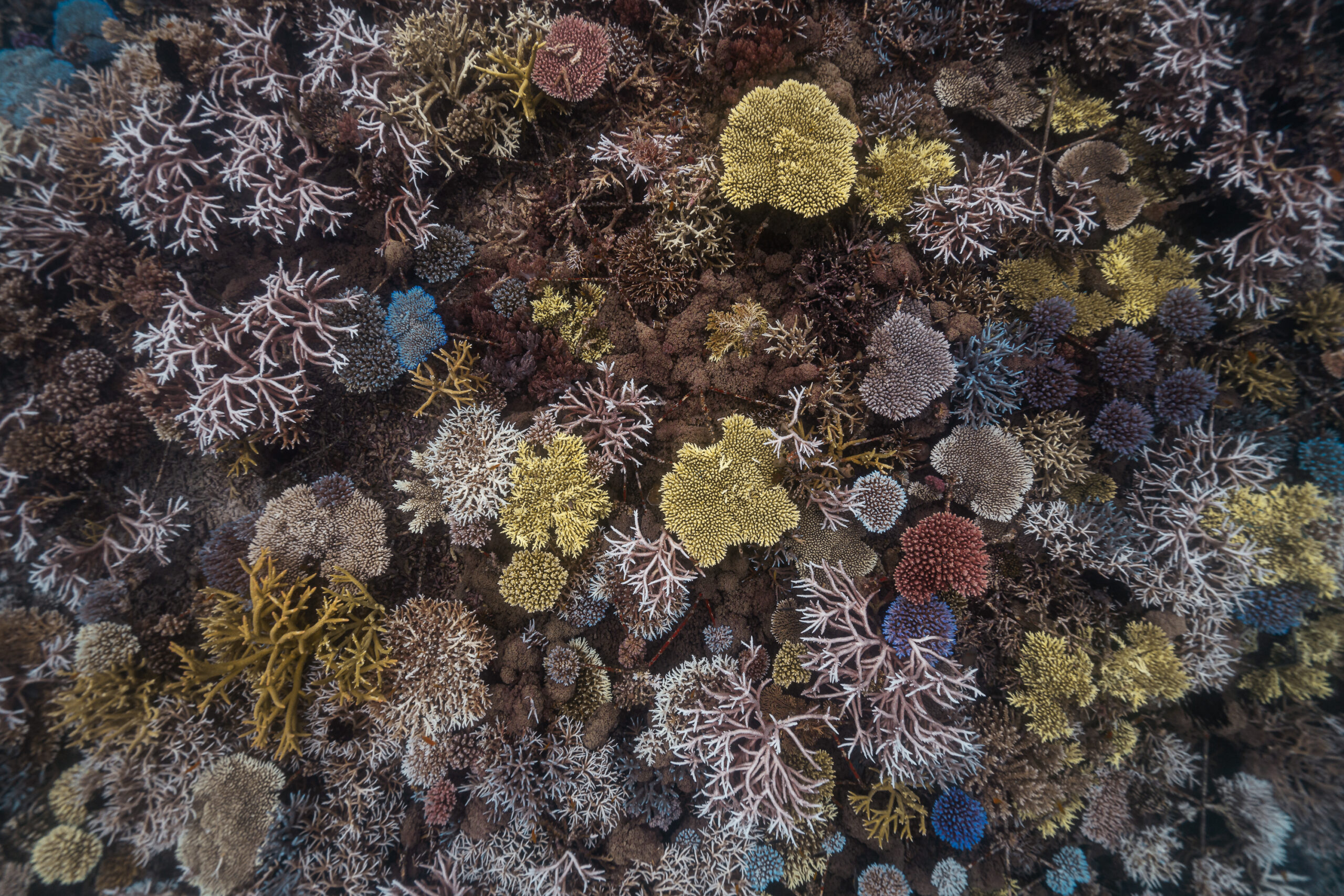
Indonesia Reefs Fight Bleaching with Restoration
Rangers and restoration teams are battling to revitalize damaged coral reefs in Indonesia’s Misool Marine Reserve, aiming to revive habitats impacted by overfishing and climate change. The initiative faces an uphill battle against rising ocean temperatures and increased coral bleaching.
Protecting the Front Lines
The Misool Marine Reserve employs eighteen rangers at three strategically positioned stations – Kalig, Yellit, and Daram. These rangers, considered the reserve’s frontline defense, work in shifts to patrol and safeguard the waters.
While significant progress has been made in reducing illegal fishing due to the persistent enforcement efforts of the rangers, smaller-scale, non-commercial fishers still encroach upon protected zones. This forces the rangers to maintain a diplomatic yet firm approach.
Rebuilding Underwater Ecosystems
Today, the ranger and restoration teams are directing their attention toward the Reef Restoration Project, a more recent but crucial initiative. The project focuses on identifying effective methods to rebuild damaged coral reefs and breathe life back into habitats harmed by destructive fishing practices and climate change.
One restoration site near the Kalig ranger station reveals barren reef patches transformed into thriving ecosystems. Divers are stunned by the vibrant resurgence of life at depths of 5-10 meters. The success is a product of years of dedicated effort, overcoming numerous obstacles.
A Personal Connection
After a dive, Murid Saleo, the Foundation’s lead reef restoration specialist, expressed his deep concern for the future:
“I think about my children – the reefs I’ve built. I worry for them.”
—Murid Saleo, Foundation’s lead reef restoration specialist
Murid views each coral fragment as an extension of himself, driving his dedication. All the while, he closely monitors rising ocean temperatures. What once averaged 27-28°C now consistently spikes to 29-32°C. According to the EPA, even a seemingly small increase in water temperature can cause coral bleaching; coral bleaching has been linked to disease and mortality.
Bleaching Threat Looms
Compared to early 2023, conditions have worsened, and reports of bleaching are increasing across the MPA network, signaling potential challenges for Raja Ampat’s future.
Just before our arrival, a mass bleaching event severely impacted the northern reefs of Raja Ampat, devastating renowned dive sites. Although Misool was spared, the event underscored the vulnerability of these ecosystems. Many team members have witnessed the consequences of collapsing marine environments, reinforcing their dedication to conservation.
Murid passionately believes in the potential for positive change, stating:
“Here, I see what’s possible. And I want more people to understand that. I want more of us to take action and more visitors to understand the deeper story here.”
—Murid Saleo, Foundation’s lead reef restoration specialist
