
European Waters Offer Safe Swimming Havens
Planning a seaside escape? Before you dive in, consider the cleanliness of the water. A recent assessment reveals where you can find the safest and most pristine swimming spots across Europe.
Top Spots for Cleanest Waters
According to a recent European Environment Agency (EEA) report, approximately 85% of swimming locations boast excellent water quality. The study encompassed lakes, rivers, and seas, with 96% meeting minimum EU standards. Alongside the 27 EU member countries, **Albania** and **Switzerland** were also assessed.
**Cyprus** leads the pack with 99.2% of its surveyed sites achieving excellent water quality ratings. **Bulgaria** (97.9%) and **Greece** (97%) closely follow.
Southern Europe’s Standouts
In southern Europe, **Croatia** ranks high with over 95% of monitored sites demonstrating excellent water quality, closely following **Greece**. **Italy**, with the highest number of monitored locations, sees over 90% of its sites meeting excellent standards. **Spain** reports over 87% compliance with the highest water quality standards.
The Netherlands and Water Quality
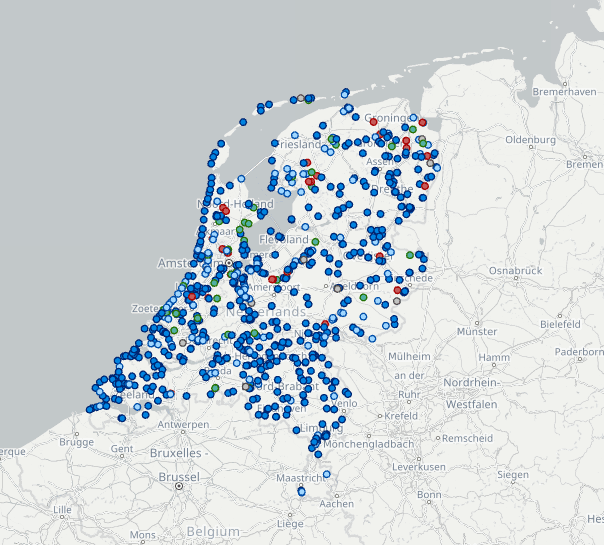
Thinking of a Dutch holiday? While the Netherlands’ coastline enjoys excellent water quality, inland waters often lag, with many lakes suffering from poor conditions. About 3.9% of water bathing sites in the Netherlands are classified as poor.
Short-term pollution, especially after heavy rainfall overwhelms sewage treatment plants, contributes to this issue. The EEA notes that 89% of coastal bathing waters are excellent, compared to 78% of inland waters.
Improvements in Water Quality Across Europe
Thanks to EU directives like the Bathing Water Directive (BWD), Europe’s water quality has improved recently. The BWD mandates annual reporting on bathing water quality, focusing on bacteria such as Escherichia coli and intestinal enterococci, indicators of fecal contamination.

Addressing Chemical Contamination
While bacteriological quality has improved, chemical contamination remains a concern. The Water Framework Directive monitors pollutants in surface and groundwater, addressing overall water quality. Climate change can exacerbate these issues, requiring enhanced water resilience.
Cities like **Copenhagen** implement Cloudburst Plans, using infrastructure improvements to manage heavy rainfall. These actions include expanding sewer networks, directing stormwater to lakes, and creating detention areas like parks that act as floodwater basins.
With careful planning and monitoring, enjoying a safe and refreshing swim this holiday season is becoming increasingly possible. In fact, the United Nations Environment Programme (UNEP) is actively involved in monitoring and improving water quality globally, aiming to achieve Sustainable Development Goal 6, which focuses on clean water and sanitation for all (UNEP, 2023).
