
Lion Attack Spurs Debate Over Animals in Captivity
Following a recent incident at **Darling Downs Zoo** in Queensland, where a woman lost an arm after being attacked by a lioness, the ethical considerations of keeping wild animals in captivity are being questioned once again.
Zoo Incident Sparks Ethical Concerns
Last weekend’s attack at **Darling Downs Zoo**, which houses nine lions, marked the first such incident in its 20-year history. The victim, related to zoo owner **Steve Robinson**, underwent multiple surgeries. **Robinson** described the lions as typically non-aggressive, suggesting the lioness may have been “just playing.”
The Argument for Zoos
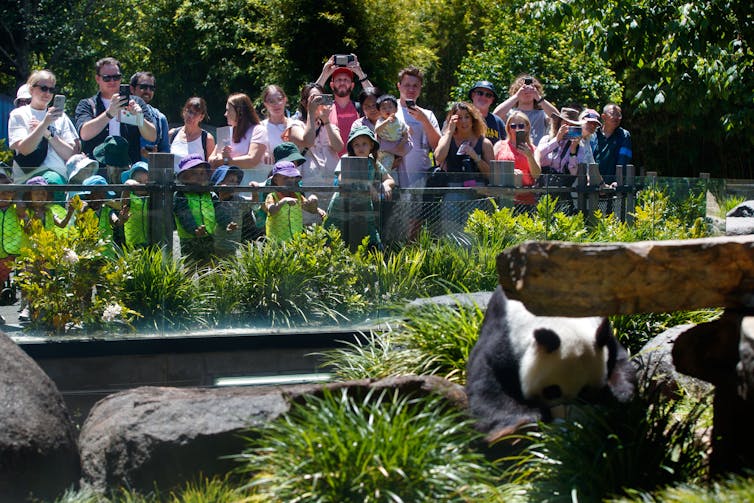
Zoos and aquariums primarily exist for human entertainment and financial gain. Research indicates that visitors often prefer observing larger animals, including primates, elephants, and big cats.
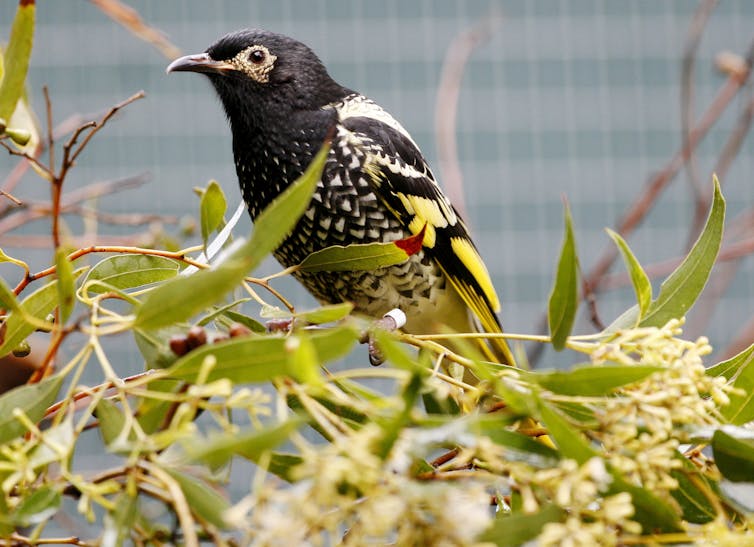
However, some argue zoos provide crucial conservation efforts. Many institutions run breeding programs for endangered species. For instance, a collaborative effort involving several Australian zoos focuses on bolstering the population of the critically endangered Regent Honeyeater. This initiative has successfully released over 400 zoo-bred birds into their natural habitat.
Animal Welfare in Captivity
The ethics of keeping wild animals in captivity are increasingly scrutinized. While some species, like fish, appear to adapt more readily to human presence, research indicates that captive animals often exhibit abnormal behaviors compared to their wild counterparts. Keeping wild creatures in captivity can hinder their capacity to engage in natural behaviors essential for their well-being.
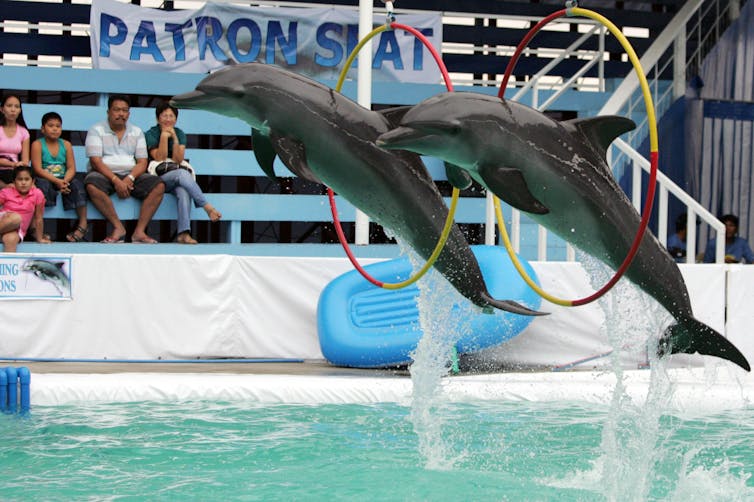
Notably, several countries have banned keeping dolphins and whales for entertainment, recognizing the sensory deprivation, stress, and other harms these marine mammals experience in captivity.
Captivity can also impact an animal’s sense of agency, limiting their choices regarding social interactions and privacy, which are vital for quality of life. In the U.S. alone, there are approximately 2,800 animals held in private possession, highlighting the scale of this issue (Born Free USA).
Exploring Alternatives to Traditional Zoos
As human fascination with animals persists, and as humans will, understandably, always be fascinated by other animals, and want to see them up close, alternative solutions to traditional zoos are emerging.
Open-range zoos may offer an improved setting for certain species. Other options include using augmented reality, virtual reality, and artificial intelligence to create lifelike animal simulations.
For example, **Brisbane’s Hologram Zoo** and high-tech puppetry offer immersive alternatives. Overseas, animatronic displays are replacing live dolphin shows.
Considering the Risks and Benefits
Keeping wild animals involves inherent risks, irrespective of domestication efforts. Despite training protocols, their behavior remains unpredictable, as demonstrated by the recent attack in Queensland. Even a seemingly playful interaction can result in severe harm.
Ultimately, the debate around zoos requires a careful assessment of acceptable risks to human safety, alongside the importance of animal welfare. Addressing this complex issue starts with questioning the fundamental need for zoos in today’s world.
