
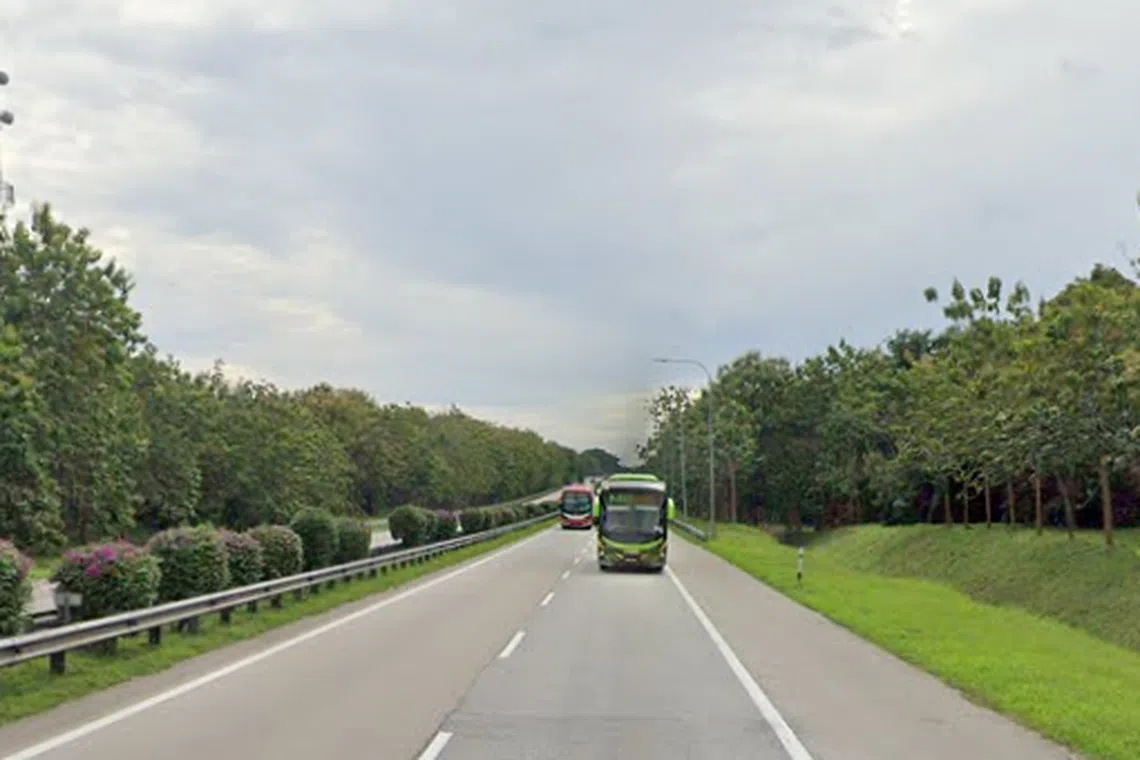
Malaysia enforces Mandatory Seat Belt Rule on Express buses starting July 1
Table of Contents
Kuala Lumpur – Starting july 1, 2025, passengers on express and tour buses in Malaysia must buckle up or face fines, according to the Road transport Department [1]. This new regulation aims to enhance passenger safety following a recent fatal accident and applies to buses registered from January 1, 2020, onward.
new Seat Belt rule Details
The Road Transport Department is implementing this rule to ensure higher safety standards on Malaysian roads. Buses registered after January 1, 2020, are required to have seat belts installed for every passenger.A grace period will be given to older buses to allow for seat belt installation.
did You Know? …
The fine for non-compliance for drivers, passengers, and bus companies is RM300 (approximately S$90). Enforcement will be carried out at terminals and on highways, with CCTV footage being reviewed to ensure adherence.
Enforcement and Compliance
Datuk Aedy Fadly Ramly, the department’s director-general, emphasized that there would be “no compromise on violations moving forward.” He stated that the department is working with bus operators to facilitate the change, including issuing guidelines to help them comply with the new requirements [2].
Timeline of Implementation
| Date | Event |
|---|---|
| June 9, 2025 | Fatal bus accident occurs, prompting calls for stricter safety measures. |
| June 29, 2025 | Road transport Department announces mandatory seat belt rule. |
| July 1,2025 | Seat belt rule goes into effect. |
Background: The Push for Stricter Regulations
The mandatory seat belt rule comes after a tragic bus accident on June 9,2025,where a bus veered off the East-West Highway near Gerik in Perak,resulting in the deaths of 15 students from Universiti Pendidikan Sultan Idris. A total of 48 people were involved in the crash, prompting calls for improved safety measures.
Pro Tip: …
Bus operators should immediately begin the process of installing seat belts in older buses to avoid potential fines and ensure passenger safety.
Industry Response
The Road Transport Department is engaging with the bus industry to ensure a smooth transition. This includes reviewing current practices and conducting engagement sessions to allow bus operators time to install seat belts.The department will also issue guidelines to assist operators in making the necessary changes.
Evergreen Insights: Background, Context, Past Trends
Seat belt usage has been proven to significantly reduce the risk of serious injury or death in the event of a vehicle accident. Studies by the World Health Organization (WHO) show that seat belts reduce the risk of fatal injury to front seat occupants by up to 50%, and for rear seat occupants by up to 75% [3]. The implementation of mandatory seat belt laws is a common strategy used by governments worldwide to improve road safety.
FAQ About Malaysia’s New Bus Seat Belt Rule
Why is this new seat belt rule being implemented now?
The rule is being implemented following a fatal bus accident that highlighted the need for stricter safety regulations on public transportation.
What should passengers do to comply with the new rule?
Passengers should ensure they wear their seat belts at all times while the bus is in motion to avoid fines and ensure their safety.
Will there be any warnings issued before fines are given out?
While the Road Transport Department has not explicitly stated a warning period, they are working with bus operators to ensure a smooth transition and compliance.
How will this new rule impact bus travel in Malaysia?
The new rule is expected to improve passenger safety and reduce the severity of injuries in the event of an accident, potentially making bus travel safer overall.
Are there any exceptions to the seat belt rule?
Specific exceptions, if any, have not been detailed by the Road transport Department. It is indeed advisable to comply with the rule at all times unless or else directed by bus personnel or authorities.
What are your thoughts on this new safety regulation? How else can public transportation safety be improved?
Share your comments below and subscribe for more updates on transportation safety!
