
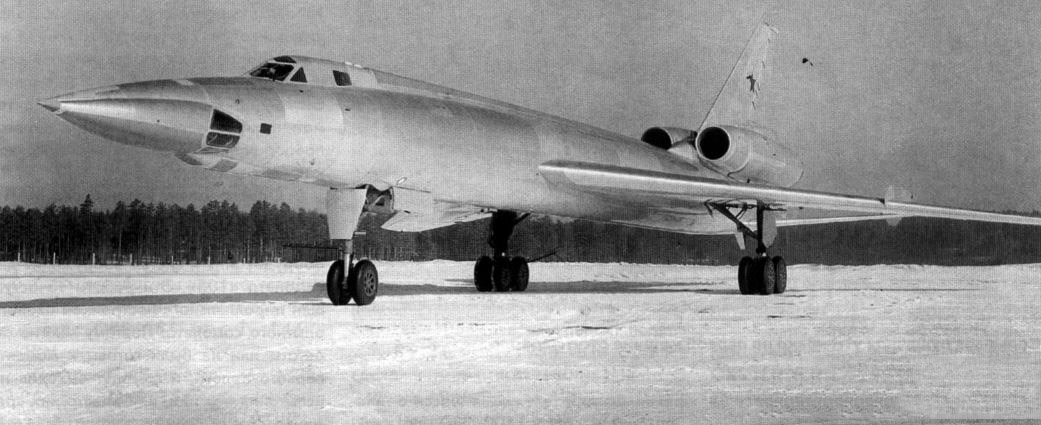
“`html
Tupolev Tu-22 ‘Blinder’: The Troubled Soviet Bomber and Its Deadly Legacy
Table of Contents
The Tupolev Tu-22 “Blinder,” a supersonic bomber that first took flight on June 21, 1958, holds a notorious place in aviation history due to its unreliability and high accident rate. Of the 311 Tu-22s produced, approximately 70 were lost in crashes, leading Soviet pilots to call it “The Maneater.” The aircraft’s design flaws,including downward-firing ejection seats,contributed to numerous fatalities.
The Genesis of a Supersonic Bomber
In July 1954, following the introduction of the subsonic Tu-16, the Tupolev design bureau initiated two projects for a supersonic successor: “105,” utilizing existing engines, and “106,” planned for future engines. The “105” project was intended as an interim design, subject to upgrades as technology advanced.
This “interim” approach influenced design choices that prioritized speed and range over crew comfort and safety. The Tu-22 aimed for a speed of 1,500 km/h and a range of 5,800 km at subsonic speeds, or 2,300 km at supersonic speeds.
Did You Know? The Tu-22 also had the nickname “Shilo” (Awl) because of a 380-liter (or 460-liter) tank filled with alcohol-based de-icing fluid.
Design Flaws and Deadly Consequences
The Tu-22 featured a cramped, single-pilot cockpit, with the navigator and radio operator/gunner seated separately in the fuselage.This design minimized frontal area to reduce air resistance. The cockpit’s chaotic layout earned it the nickname “turned-inside-out hedgehog.”
Crew members were isolated in small compartments surrounded by avionics, reminiscent of the Tupolev SB (ANT-40) light bomber from 1940. The pilot sat slightly to the left, with blackout curtains to shield from nuclear flashes, while the radio operator/gunner
