
Toilet Treasure: Using Viruses to Battle Superbugs
In an era of rising antibiotic resistance, scientists are exploring a novel approach: employing viruses to combat infections. These microscopic predators, known as bacteriophages, specifically target and eliminate bacteria, offering a promising alternative to conventional treatments.
Seeking Microbial Saviors
The pursuit of a microbial savior involves identifying bacteriophages, viruses that prey on bacteria. Unlike harmful viruses like COVID or the flu, phages focus on eliminating bacteria. This approach could revolutionize how we treat infections, especially those caused by drug-resistant “superbugs.”
The hunt for these helpful viruses begins in dirty water. The Phage Collection Project provided vials for sample collection, and the dirtier the water source, the better. Samples from ponds, worm composting bins, and even unfiltered toilet water were collected for analysis.
Inside the Lab
The collected samples undergo a meticulous process at the University of Southampton. First, the samples are filtered to remove debris. Then, they’re given a “dinner” of bacteria to encourage phage growth. One of the collected phages showed the ability to kill a urinary tract infection in the lab.
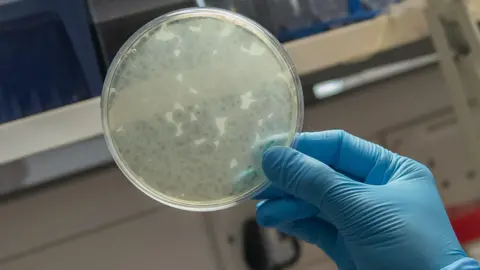
The petri dish shows the effectiveness of the phage, with clear zones where the bacteria have been eliminated. “As crazy as it sounds, well done to the toilet sample,” exclaimed scientist Michelle Lin. The phage has even been named the Gallagher-phage.
From Lab to Patient?
The next step involves assessing the potential for phage therapy in patients. “Your phage, already in just 24 hours, we were able to get in a high concentration and able to be a very good killer, which means this is very promising for patients, so thank you,” said Dr. Franklin Nobrega.
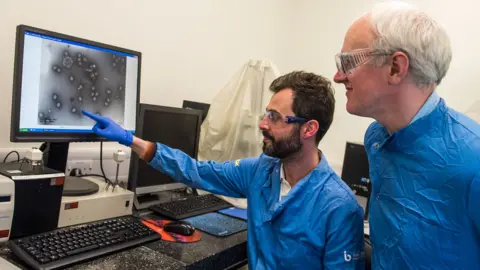
Phages act like a lunar lander, targeting bacteria and transforming them into mass-production factories for more phages. This process destroys the host bacteria. The benefits of phage therapy include the reproduction of phages without needing constant doses like with drugs.
While antibiotics are general, phage are specific, which provides fewer side effects. Dr. Nobrega believes infected wounds are excellent candidates for phage use. Lung infections could also be treated with a nebulizer.

A Century-Old Solution
The concept of phage therapy is not new, dating back to discoveries in the 1910s by Felix d’Hérelle and Frederick Twort. The rise of antibiotics overshadowed the practice. However, the increasing resistance to antibiotics is renewing interest in phage therapy.
Antibiotic resistance is a growing concern. More than a million people die each year from infections resistant to treatment, a figure projected to reach 10 million by 2050. This could undermine modern medicine and make common infections deadly again (The Lancet, 2024).
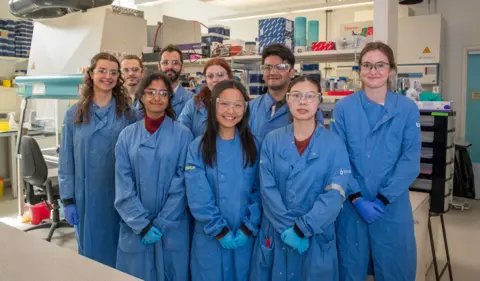
Prof. Paul Elkington highlights the limitations of solely relying on antibiotics and the potential of phage therapy as an alternative. Although the path from the lab to patients is uncharted, there is progress. Phage therapy is available in the UK on compassionate grounds, and regulations are evolving to support its development.
The public can also participate in the search for phages through the Phage Collection Project, potentially discovering the next life-saving treatment. “Antimicrobial resistance is something that could affect all of us,” says Esme Brinsden from the Phage Collection Project.
