
“`html
Israel-Iran Conflict Intensifies with Nuclear Site Strikes
Table of Contents
The ongoing Israel-Iran conflict took a perilous turn as Israeli forces launched strikes targeting nuclear facilities within Iran, specifically in the Isfahan region, on June 21, 2025. These actions have been met with retaliatory missile strikes from Iran, raising concerns about further escalation and regional instability.The attacks are part of a broader conflict that began on June 13th with Israeli strikes on Iranian nuclear operations and military assets.
Israeli Strikes Target Iranian Nuclear Capabilities
Israeli forces continued their offensive against Iran, focusing on disrupting its nuclear capabilities. Dozens of military targets in southwestern Iran, particularly in the Bandar Abbas area, were struck on Saturday evening. According to an Israeli military source, strikes specifically targeted two centrifuge production locations in Isfahan, with the aim of severely hindering Iran’s ability to produce centrifuges [IAEA].
Did You Know? Centrifuges are essential equipment for enriching uranium,a key process in the advancement of nuclear weapons.
Details of the Isfahan Operation
The operation in Isfahan involved precision strikes aimed at minimizing collateral damage while maximizing the impact on Iran’s nuclear infrastructure. The strikes were confirmed by an Israeli military source, according to AFP. Iranian media reported that a building in Kom was also targeted, resulting in the death of a 16-year-old and injuries to two others.
Iranian Retaliation and Casualties
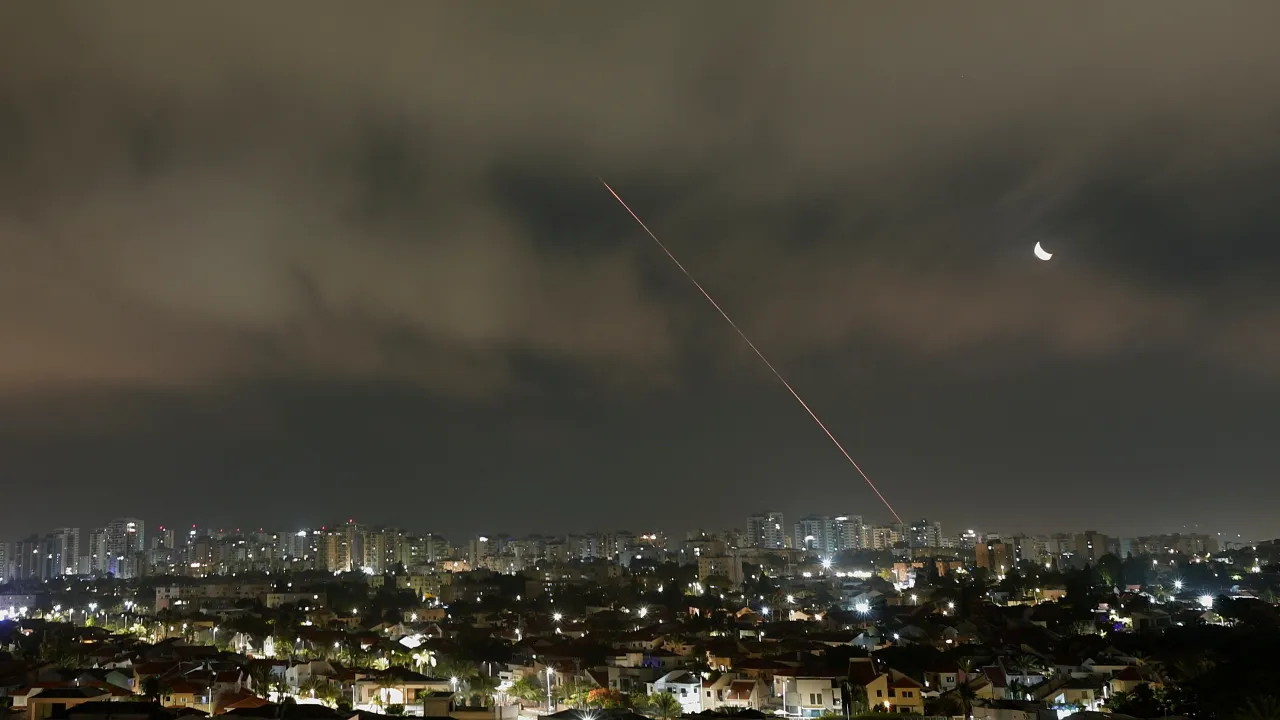
In response to the Israeli strikes,Iran launched missile attacks targeting various locations within Israel. Shortly after 2:30 local time (1:30 CEST), warning sirens were activated in central Israel, the occupied West Bank, and Tel Aviv, indicating incoming missile fire. Explosions were reported over Tel Aviv as air defense systems intercepted missiles. While initial reports indicated no casualties on the Israeli side,images surfaced of a fire on the roof of a residential building in central Israel,possibly linked to the missile strikes.
The number of casualties within Iran remains difficult to verify independently. The Iranian State Agency NOR News, citing the Ministry of Health, reported at least 430 deaths and 3,500 injuries resulting from the conflict. However,the NGO Edge,which monitors human rights violations in Iran,reported at least 639 deaths,including high-ranking military commanders,nuclear scientists,and civilians.
Pro Tip: Always verify casualty reports from multiple sources to get a more accurate picture of the situation.
Targeting of Iranian commanders
The Israeli army reported the killing of Said izadi, the Chief of the Palestinian Division of the Quds Force, as part of the Iranian Revolutionary Guards. Izadi was allegedly responsible for facilitating connections between Tehran and Hamas, providing financial support, and promoting the October 7th attack. Another commander of Quds units, identified as Benham Shariari, was also reportedly killed in a strike on a car in west Tehran.
Historical Context and Future Implications
The current conflict is rooted in long-standing tensions between Israel and Iran,fueled by differing geopolitical interests and concerns over Iran’s nuclear program. Israel views Iran’s nuclear ambitions as an existential threat and has repeatedly stated its determination to prevent Iran from acquiring nuclear weapons. Iran
