

Humans Lag Behind Primates in Wound Healing
New research reveals a significant difference in healing rates.
It appears humans take far longer to recover from injuries than other primates and even rodents. Researchers have been studying wound healing across species, revealing intriguing insights into our evolutionary journey and the factors influencing our bodies’ repair processes.
Primate Healing: A Faster Pace
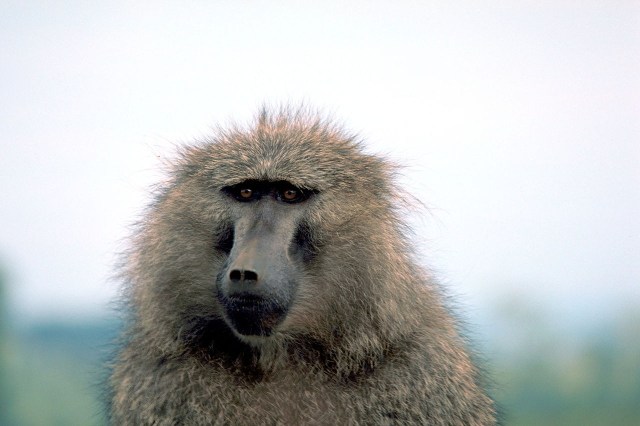
A collaborative study led by Professor Akiko Matsumoto of The University of the Ryukyus, along with researchers from Kyoto University, the University of Montpellier, and the Kenya Primate Research Institute, focused on wound healing in primates. Professor Matsumoto observed baboons in Kenya, noting their rapid recovery from injuries compared to her own. This observation prompted a comparative study.
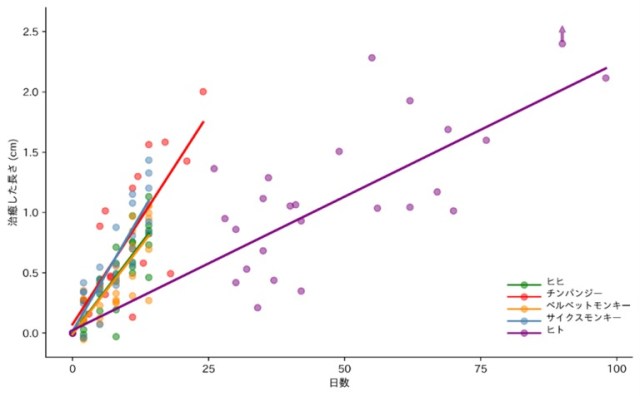
The study included human subjects of varying ages, along with olive baboons, Sykes’ monkeys, vervet monkeys, and chimpanzees. While the chimpanzees sustained injuries during fights, the other animals underwent ethically administered incisions to assess their healing rates.
The results showed humans healed much slower. Humans healed at a rate of 0.25 millimeters per day, while non-human primates healed at 0.6 millimeters each day.
Further tests on mice and rats revealed similar healing rates to those of the other primates. This suggests that human healing stands as an anomaly.
Possible Explanations
The reasons behind the difference are still being investigated. However, Professor Matsumoto proposes a few possibilities. Animals with thicker hair may have more protection, and thicker skin can slow healing. However, the thick skin offers protection. Moreover, humans, due to medical advances, have not needed to rapidly heal like animals in the wild, leading to slower natural selection.
“The thick-skinned human race may have outpaced other animals through evolution.”
—Professor Akiko Matsumoto, The University of Ryukyus

This slow healing could be linked to our evolutionary advantage of medical care. A study by the National Institutes of Health found that improved medical technologies have increased human lifespans (NIH 2024).
Future Prospects
Despite slower healing now, advances in wound-repairing technology may change the game. With technologies improving at a rapid pace, humans could one day match or surpass the healing speeds of other primates. The potential for fast-healing robots is also on the horizon.
