
Indonesia Aims for 100% Waste Management by 2029 Under President Prabowo’s Leadership
Table of Contents
- Indonesia Aims for 100% Waste Management by 2029 Under President Prabowo’s Leadership
- Presidential Leadership and National Strategy
- Tackling Non-Compliant Landfills
- Waste-to-Energy Initiatives
- Community and Industry Involvement
- Indonesia’s Waste Management Targets
- What are the biggest challenges to achieving 100% waste management in Indonesia? How can communities contribute to this national effort?
- The Growing Global Waste crisis
- Frequently Asked Questions About Waste Management in Indonesia
Indonesia by 2029. Includes upstream/downstream strategies & waste-to-energy.">
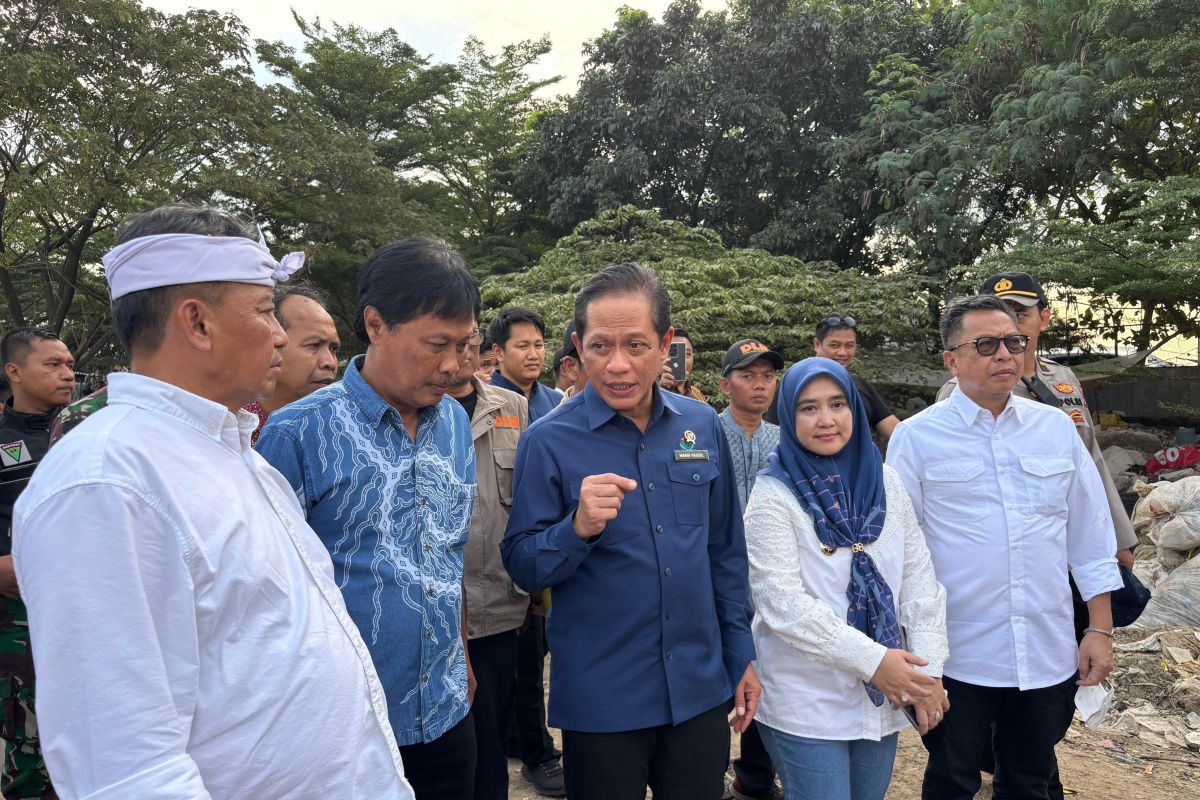
Cirebon, West Java – President-elect Prabowo Subianto is set to spearhead a nationwide initiative to achieve comprehensive waste management across Indonesia by 2029. Environment Minister Hanif Faisol Nurofiq announced the ambitious plan during a visit to the Kopi Luhur landfill in Cirebon on Friday, stating that the government aims to manage 51.21% of the nation’s waste this year, progressing to 100% within the next four years.
Presidential Leadership and National Strategy
“the President will directly lead waste management throughout Indonesia.Thus, we will accelerate all aspects,” Nurofiq stated. This commitment is formalized in Presidential Regulation Number 12 of 2025, which outlines the National Medium-Term Progress Plan (RPJMN) and sets the target for complete waste management by 2029.
Did You Know? Globally,around 2.01 billion tonnes of municipal solid waste are generated annually, with at least 33% of that-assumed to be safely managed[[World bank ].
Tackling Non-Compliant Landfills
The minister has urged regional administrations to improve their practices, highlighting the administrative sanctions facing 343 landfill sites (TPAs) still engaged in open dumping. He also warned of stricter measures. “If the TPA is on fire, we will apply a criminal approach related to handling the TPA,” nurofiq emphasized.
Upstream and Downstream Approaches
Indonesia’s strategy involves a two-pronged approach:
- Upstream Waste Management: Focuses on reducing waste at the source through reduce, reuse, recycle (TPS-3R) waste processing facilities and integrated waste processing facilities (TPST).
- Downstream Waste Management: Employs technologies to convert waste into energy,including waste-to-energy (WTE) and refuse-derived fuel (RDF) technologies.
Waste-to-Energy Initiatives
A key component of the plan is the construction of waste power plants (PLTSa) in areas with high waste generation. This initiative aims to transform waste into a valuable energy source.The presidential regulation to accelerate pltsa construction is currently undergoing harmonization by various ministries and institutions.
Pro Tip: Waste-to-energy plants can reduce the volume of waste sent to landfills by up to 90%, while also generating electricity[[U.S. Department of Energy ].
Community and Industry Involvement
The Ministry is also advocating for a stronger waste sorting system to minimize the amount of waste entering landfills. Furthermore, it seeks to engage the industry through the Extended Producer Responsibility (EPR) scheme, which designates companies as primary off-takers for cardboard and plastic waste, ensuring greater absorption of recycled materials.
Indonesia’s Waste Management Targets
| Year | waste Management Target |
|---|---|
| 2025 | 51.21% |
| 2029 | 100% |
earlier in March 2025, Nurofiq stressed that the core strategy for improving waste management starts upstream, emphasizing waste reduction at the community level and in commercial areas, with stricter policies for universities, markets, housing, hotels, restaurants, and cafes.
What are the biggest challenges to achieving 100% waste management in Indonesia? How can communities contribute to this national effort?
The Growing Global Waste crisis
The challenge of waste management is a global concern, with increasing urbanization and consumption patterns contributing to rising waste volumes. effective waste management is crucial for protecting public health, preserving the environment, and promoting enduring development. Countries around the world are exploring innovative solutions, including waste reduction strategies, recycling programs, and waste-to-energy technologies, to address this pressing issue.
Frequently Asked Questions About Waste Management in Indonesia
What is the current state of waste management in Indonesia?
As of 2025, Indonesia is aiming to manage 51.21% of its waste, with a goal to reach 100% by 2029.
What role do regional governments play in waste management?
Regional governments are responsible for improving landfill sites and adhering to regulations to avoid sanctions.
How does the Extended Producer Responsibility (EPR) scheme work?
The EPR scheme involves companies as primary off-takers for recyclable materials like cardboard and plastic, promoting recycling.
Share your thoughts and ideas on how Indonesia can achieve its ambitious waste management goals in the comments below!
