
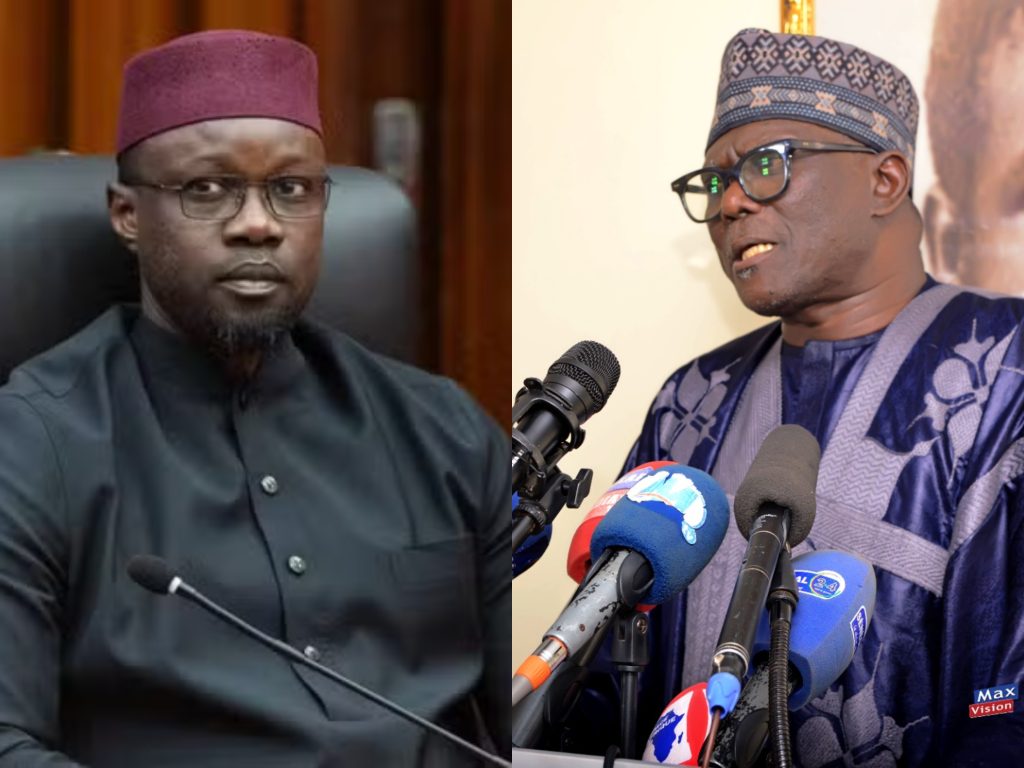
Political Discourse in Senegal Turns Heated
Rising Tensions Fuel Inflammatory Rhetoric
A concerning trend of increasingly aggressive language is permeating Senegal’s political landscape, escalating debates and, in some instances, leading to legal repercussions. The shift in tone is raising questions about the future of civil discourse within the nation.
Escalating Verbal Exchanges
Observers note a marked increase in the use of harsh words and accusatory statements from both governing and opposition figures. While pinpointing the exact origin of this shift is difficult, the consensus is that it has become a pervasive feature of political communication. Birama Thior highlights the growing prevalence of what some describe as “excessive” or even “insulting” expressions.
This trend isn’t isolated to Senegal. A 2024 study by the Pew Research Center found that 64% of Americans believe political discourse has become more uncivil in recent years, mirroring a global pattern of heightened polarization. (Pew Research Center, January 2024)
Legal Consequences and Concerns
The escalation of rhetoric has not been without consequences. Several individuals have faced arrest or legal action following the use of inflammatory language, raising concerns about freedom of speech and the potential for political repression. The line between legitimate criticism and unacceptable verbal aggression is becoming increasingly blurred.
The situation prompts a critical question: who will take responsibility for curbing this trend and fostering a more respectful and productive political dialogue? The need for leaders to model constructive communication is paramount, but the onus also falls on media outlets and citizens to demand a higher standard of discourse.
Ultimately, the health of Senegal’s democracy may depend on its ability to navigate this challenging period and restore a climate of reasoned debate and mutual respect.
