
Mediterranean Soil Bacteria: A Natural Defense Against Plant Disease
Table of Contents
- Mediterranean Soil Bacteria: A Natural Defense Against Plant Disease
health and suppress fungal diseases in tomato greenhouses.">
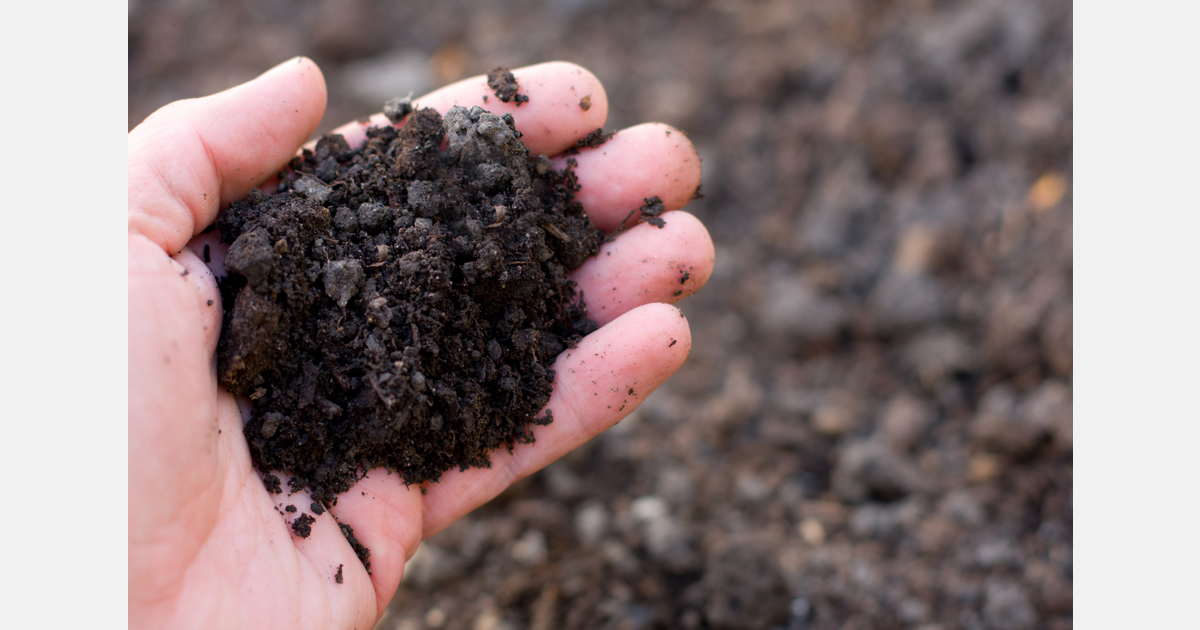
Scientists have discovered that native bacteria in Mediterranean greenhouse soils play a crucial role in promoting plant health and suppressing soilborne diseases.A recent study published in Frontiers in Microbiology highlights the beneficial impact of these microorganisms, particularly in organic tomato cultivation. The research, conducted over two seasons, focused on understanding how soil bacterial composition changes after incorporating fresh sheep manure and using biosolarization techniques.
Did You Know? …
Biosolarization, a soil treatment method, combines solar heating with organic amendments to control soil pests and diseases. This technique can significantly improve soil health and crop yields, reducing the need for chemical interventions. According to the FAO, sustainable soil management practices like biosolarization are essential for ensuring food security and environmental sustainability.
Key Findings on Soil Bacteria Composition
The study employed gene sequencing and plate culture methods to analyze soil samples taken before planting and at the end of the crop cycle. Researchers found that while culturable and thermophilic bacterial populations fluctuated, the overall alpha diversity (the variety of species within a particular area) increased by the end of the cropping seasons. Beta diversity, which measures the difference in species composition between different environments, also showed significant changes over time.
Firmicutes were more abundant before planting, while Proteobacteria dominated at the end of the cropping season. The genera Bacillus and Thauera were identified as key biomarkers, with Bacillus associated with the pre-planting phase and Thauera with the end of the cropping seasons.
Nitrogen Cycling and Ecological Pathways
Analysis using the FAPROTAX database revealed that nitrogen-related functions were more prevalent at the end of the cropping seasons. This suggests that the soil bacteria play a vital role in nitrogen cycling, a critical process for plant nutrition. Nitrogen is an essential nutrient for plant growth, and its availability in the soil directly impacts crop yield and quality. According to Nature Education,understanding and managing the nitrogen cycle is crucial for sustainable agriculture.
Antagonistic Bacteria: A natural Biocontrol Agent
A significant portion of the isolated bacteria, 37.9%, exhibited antagonistic activity against various fungi.Specifically,31.6% showed antagonism against phytopathogenic fungi (disease-causing fungi), while 20.0% targeted beneficial fungi, and 12.6% affected both. colletotrichum gloeosporioides and Botrytis cinerea were the pathogens most frequently targeted by these antagonistic bacteria.
Pro Tip: …
Integrating antagonistic bacteria into soil management practices can reduce the reliance on synthetic pesticides, promoting a more sustainable and environmentally amiable approach to agriculture. This approach aligns with the growing demand for organic and sustainably produced food.
Dominant Genera: Streptomyces and Bacillus
Among the native antagonistic bacteria, Streptomyces was the dominant genus, followed by Bacillus. These findings underscore the importance of understanding the functional diversity of native bacterial communities in biosolarized soils. This diversity can influence the effectiveness of introduced biocontrol microorganisms and contribute to the development of natural soil suppressiveness against diseases.
Implications for Sustainable Agriculture
This research highlights the potential of harnessing native soil bacteria to enhance plant health and suppress diseases in a sustainable manner.By understanding the dynamics of soil bacterial composition and identifying key antagonistic species, farmers can develop strategies to promote beneficial microbial communities and reduce the need for chemical interventions.
| Genus | Role | Timing |
|---|---|---|
| Bacillus | Biomarker, Antagonistic | Pre-planting |
| Thauera | Biomarker | End of cropping season |
| Streptomyces | Dominant Antagonistic | All sampling times |
What other natural methods could be used to enhance soil health in greenhouses? How can farmers practically apply these findings to improve their crop yields?
evergreen Insights: The Importance of Soil Microbiomes
The soil microbiome, the community of microorganisms living in the soil, plays a critical role in plant health, nutrient cycling, and disease suppression. Understanding and managing the soil microbiome is essential for sustainable agriculture.Recent research has shown that diverse and balanced soil microbiomes can enhance plant resilience to stress, improve nutrient uptake, and reduce the incidence of soilborne diseases. according to a review in Frontiers in Plant Science, promoting soil microbial diversity through practices such as crop rotation, cover cropping, and reduced tillage can lead to significant improvements in crop productivity and environmental sustainability.
FAQ: Understanding Soil Bacteria and Plant Health
Disclaimer: This article provides data for general knowledge and informational purposes only, and does not constitute medical, financial, or legal advice. Consult with a qualified professional for any specific concerns or before making any decisions.
Enjoyed this article? Share it with your network and leave a comment below! Subscribe to our newsletter for more updates on sustainable agriculture and plant health.
