
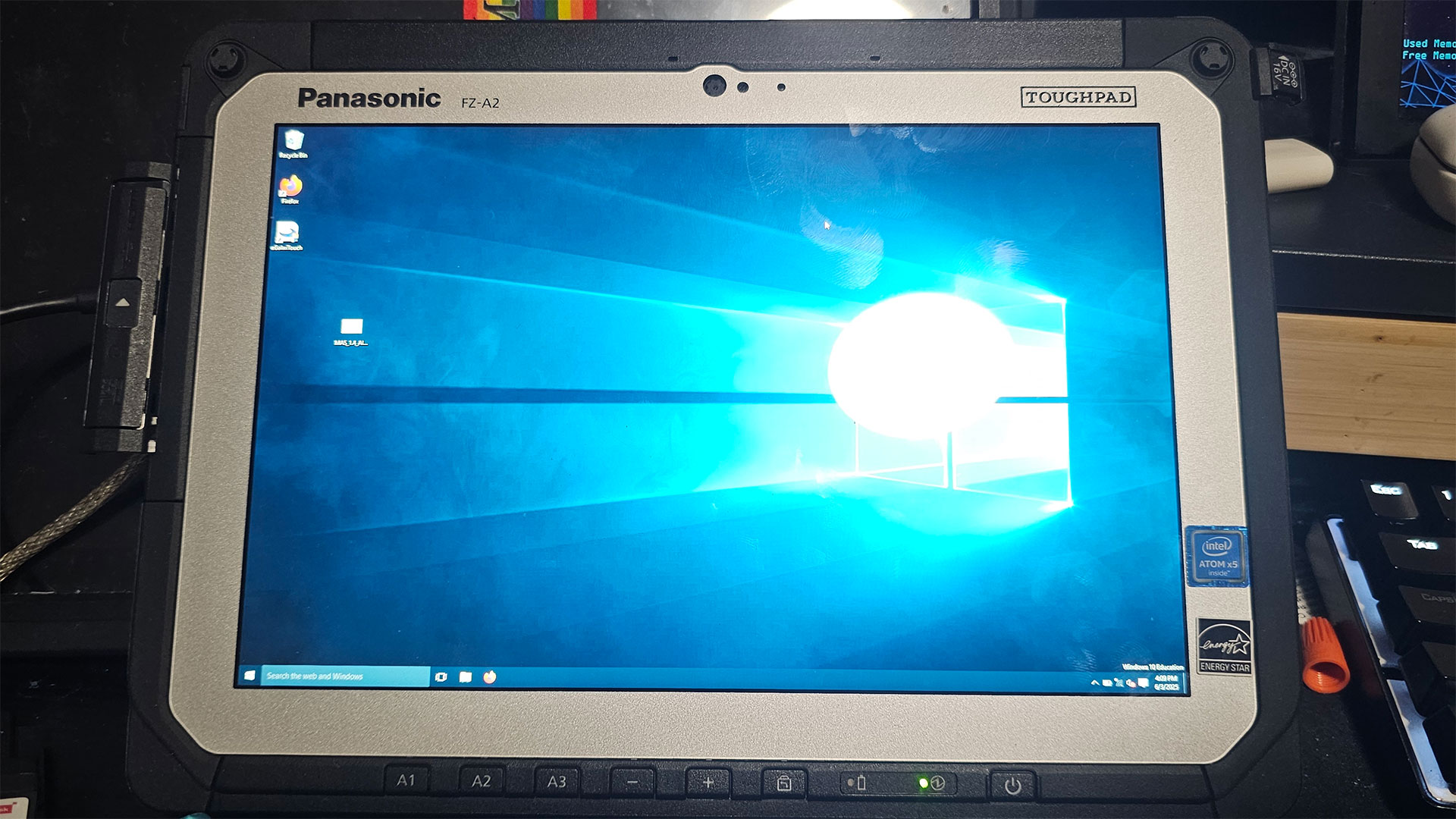
AI Cracks Android Tablet’s Security, Installs Windows 10
In a remarkable feat of technological ingenuity, a PC enthusiast leveraged ChatGPT to circumvent the Factory Reset Protection (FRP) on a used Panasonic ToughPad FZ-A2 tablet. This breakthrough allowed for the installation of Windows 10, demonstrating the potential of AI in unlocking and repurposing older hardware. The process involved using a CH341A flash programmer to modify the tablet’s UEFI BIOS, effectively disabling security measures.
Breaking Down the Android Tablet Hack
The individual, known as Deskmodder on the XDA forums, successfully installed Windows 10 and Linux Mint on the obsolete Android 6.0-powered tablet. This achievement highlights the possibility of overcoming barriers that prevent the reuse of functional, older hardware. The key to this exploit was bypassing the Factory Reset Protection (FRP),a security feature designed to prevent unauthorized resetting of devices.
Did You Know? The global e-waste monitor reported that 53.6 million metric tons of e-waste were generated in 2019, and this figure is projected to reach 74 million metric tons by 2030, according to the International Telecommunication Union (ITU).
The Steps to Bypassing FRP
Deskmodder recognized the tablet’s potential, noting its Intel Atom X5 8550 CPU and customary x86 UEFI BIOS. The process involved several key steps:
- Dumping the Panasonic’s BIOS using the CH341A programmer.
- Uploading the BIOS to ChatGPT with instructions to disable SecureBoot.
- flashing the GPT-modified BIOS back to the device.
- Successfully booting the device!
- Navigating OS compatibility issues.
The conversation with ChatGPT is available for review, offering insights into the process.
From Android 6.0 to Windows 10
Following the accomplished installation of Linux Mint, Deskmodder achieved another milestone by getting Windows 10 operational on the ToughPad. While some driver issues persist, this demonstrates the versatility of the modified BIOS and the potential for running modern operating systems on legacy hardware.
Implications for Device Security and Reuse
This exploit raises questions about the security of FRP and the potential for AI to unlock devices locked by forgotten firmware passwords. Used marketplaces are filled with ex-corporate laptops rendered unusable by such locks. While some devices can be unlocked using existing tools, many remain inaccessible. AI tools could offer a solution for reusing these devices, preventing them from becoming e-waste.
Pro Tip: Before buying a used device, always check if the Factory Reset Protection (FRP) is disabled to avoid potential lockouts.
The ability to repurpose older devices has significant environmental and economic benefits. By extending the lifespan of electronics, we can reduce e-waste and conserve valuable resources. Moreover, unlocking these devices can provide access to technology for individuals and communities who may not be able to afford new equipment.
| Component | Description | Function |
|---|---|---|
| ChatGPT | OpenAI’s language model | Modified the tablet’s BIOS to disable Secure Boot. |
| CH341A Programmer | Hardware tool | Dumped and flashed the BIOS. |
| Panasonic ToughPad FZ-A2 | Ruggedized tablet | Target device for the hack. |
The Growing Problem of E-Waste
Electronic waste, or e-waste, is a rapidly growing problem worldwide. According to a United Nations report, the world generates about 50 million tons of e-waste every year, and this number is expected to double by 2050. E-waste contains hazardous materials, such as lead, mercury, and cadmium, which can contaminate the environment and pose risks to human health if not properly managed.
Repurposing and recycling electronics is crucial for mitigating the environmental impact of e-waste. by finding new uses for old devices, we can reduce the demand for new electronics and conserve valuable resources. additionally,recycling e-waste allows us to recover valuable materials,such as gold,silver,and copper,which can be used to manufacture new products.
Frequently Asked Questions About Bypassing FRP
- What are the legal implications of bypassing FRP?
- Bypassing FRP on a device that you do not own or have permission to access is illegal and unethical. This article discusses the technical aspects of bypassing FRP for educational purposes only.
- Is it possible to bypass FRP on all Android devices?
- no, the methods for bypassing FRP vary depending on the device model, Android version, and security patches installed. Some devices may have more robust security measures that are difficult or impossible to bypass.
What othre older devices could benefit from this type of AI-assisted unlocking? What are your thoughts on the ethical implications of bypassing security features like FRP?
Share your thoughts in the comments below and subscribe to our newsletter for more tech news and insights!
