
the Pico-Mac-Nano: A Pocket-Sized Homage to the Original Macintosh
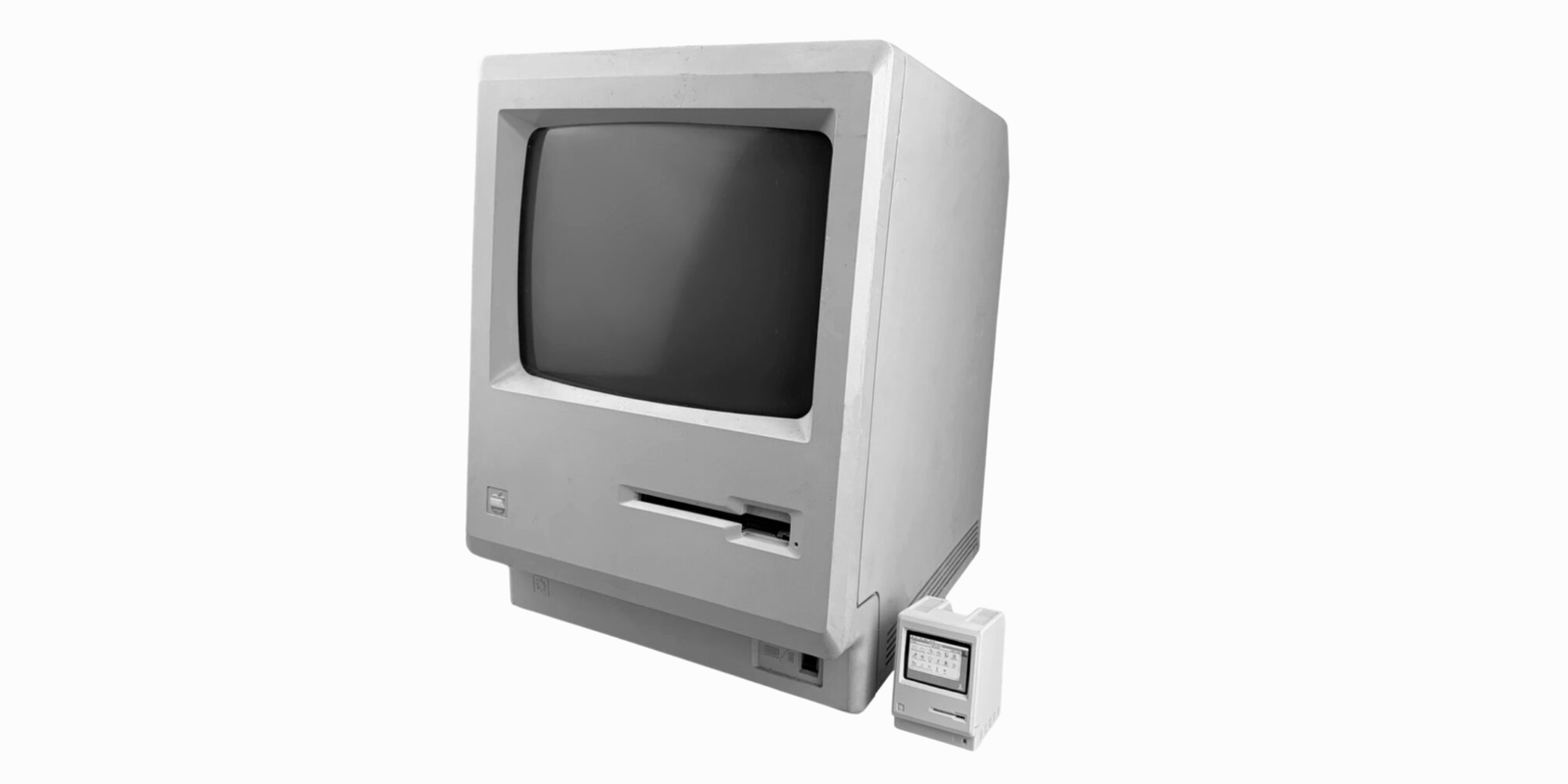
The allure of the original 1984 Apple Macintosh endures, inspiring a new generation of creations. Enter the Pico-Mac-Nano, a fully functional, miniature replica that pays tribute to the iconic machine.

A Pocket-Sized Powerhouse
Standing at a mere 62 millimeters tall, the Pico-Mac-Nano is a marvel of miniaturization. Despite it’s diminutive size, it boasts compatibility with USB keyboards and mice, opening up a world of retro computing possibilities in the palm of your hand.
Did you know? The original macintosh 128K had only 128 kilobytes of RAM. The Pico-Mac-Nano, while emulating the original, benefits from modern hardware capabilities.
The Genesis of an Idea
The Pico-Mac-Nano’s origins can be traced back to the “Pico-Mac” project by Matt Evans, who successfully emulated a simplified version of the original Macintosh with the System 3 operating system. Evans’s creation allowed for the connection of USB peripherals and VGA output, a remarkable feat given the peak’s limited 264 kb of RAM.
The idea of this project was generated after an encounter of its creator, Nick Gillard, with similar projects such as the “Pico-Mac”.
Inspired by Evans’s work, Nick Gillard, the creator of Pico-Mac-Nano, embarked on a mission to integrate Pico-Mac functionality into a miniaturized Macintosh housing, complete with a small LCD screen.
Overcoming Technical Hurdles
The growth of the Pico-Mac-Nano was not without its challenges. Here’s a glimpse into some of the key obstacles and the ingenious solutions devised:
LCD Screen
The choice of a 2-inch TFT panel (640×480 pixels) presented an initial challenge due to its native vertical orientation. This was cleverly resolved by modifying the emulator to generate a 480-pixel-wide image, adapting to the screen’s physical width.
Furthermore,the 16-bit RGB56 interface was cleverly utilized by leveraging the monochromatic nature of the original Macintosh. A binary signal was sent through the Pico-Mac’s VGA output to produce a clear image.
Housing
The screen size dictated a final housing height of just 62 mm. the design process involved 3D modeling and printing, meticulously replicating iconic elements of the original Macintosh, including the screen slot, internal support, and the rainbow logo. An actuator was also designed for the reset and start buttons.
Printed Circuit board (PCB)
A custom PCB was essential to connect all the components within the limited space. The final PCB design incorporated microSD card support (mounted next to the USB-C port) and utilized the Zero Pico RGB to indicate system activity.
Power and Peripherals
Power and USB peripheral connections (keyboard and mouse) are facilitated by a special splitter cable, with an optional internal battery available. The use of specific OTG cables is crucial for proper operation.
Important Considerations
the Pico-mac-Nano is described by its creator as an open-source concept test, not a commercial product. As such, software compatibility is not 100% guaranteed, and the small screen size may not be suitable for prolonged use.
Pico-Mac and Pico-Mac-Nano are open source concept tests, not commercial products with which the compatibility of the software is not 100%guaranteed.
It is important to note that purchasing an assembled unit primarily covers the costs of components,materials,and production time,without offering formal guarantees.
A Collector’s Edition
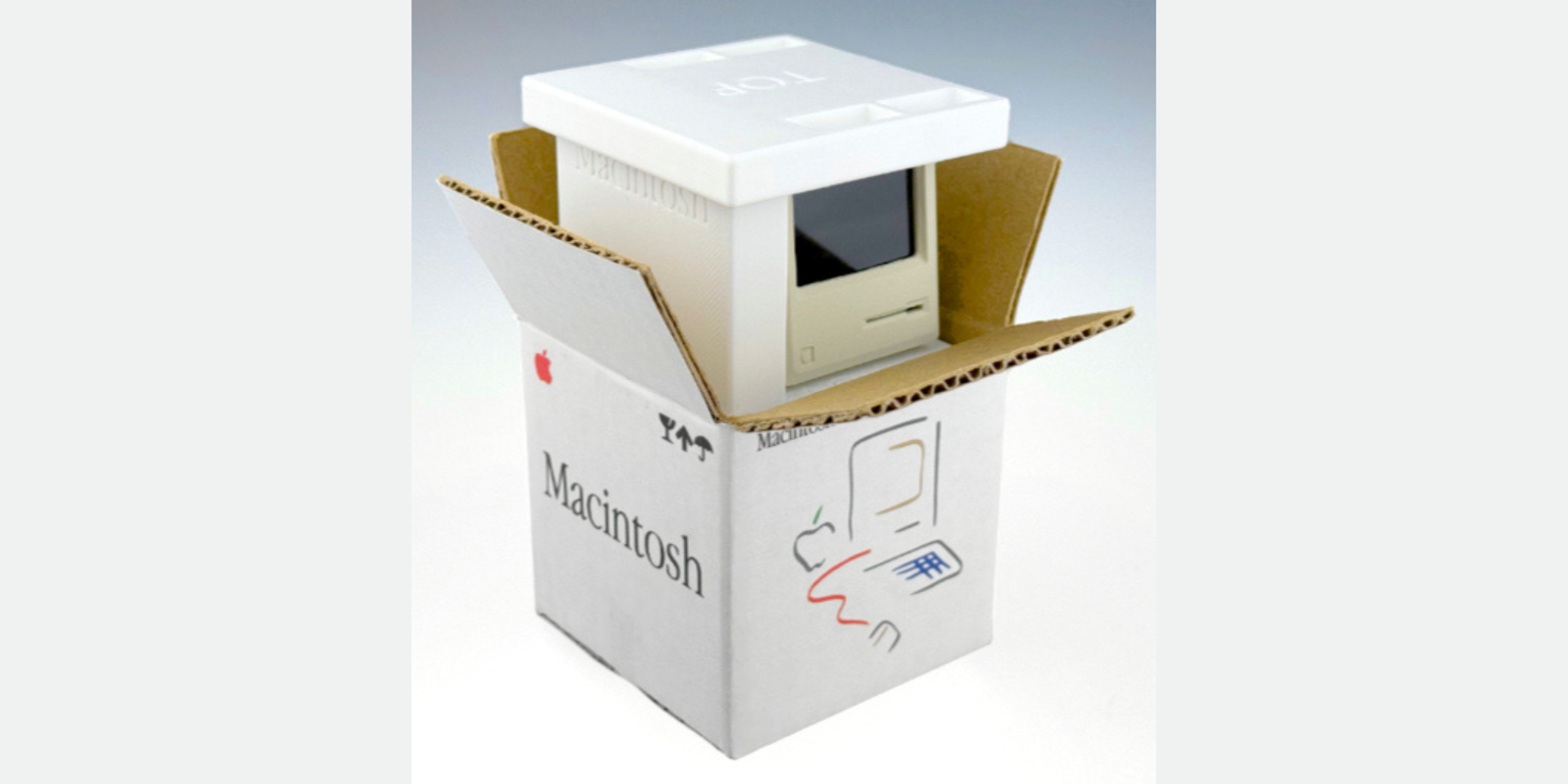
For enthusiasts seeking a complete experience, a collector’s edition is available, featuring a miniature replica of the original “Picasso” box, complete with 3D-printed polystyrene inserts and an accessory case.
Pricing and Availability
Compared to the rising prices of original macintosh computers,the Pico-Mac-Nano offers a more accessible way to own a piece of Macintosh history. the two versions are priced as follows:
- Pico-Mac-Nano: 58 pounds
- Pico-Mac-Nano Special Edition: 76 pounds
A Testament to Ingenuity
Despite its practical limitations, the Pico-Mac-Nano stands as a remarkable creation, encapsulating the essence of the original Macintosh in a functional, pocket-sized device. It serves as a testament to the power of ingenuity and passion in the realm of computing history, offering a tangible glimpse into an era of innovation with limited resources.
Pro Tip: connect the Pico-Mac-Nano to a larger external display via its VGA output for a more cozy viewing experience.
