
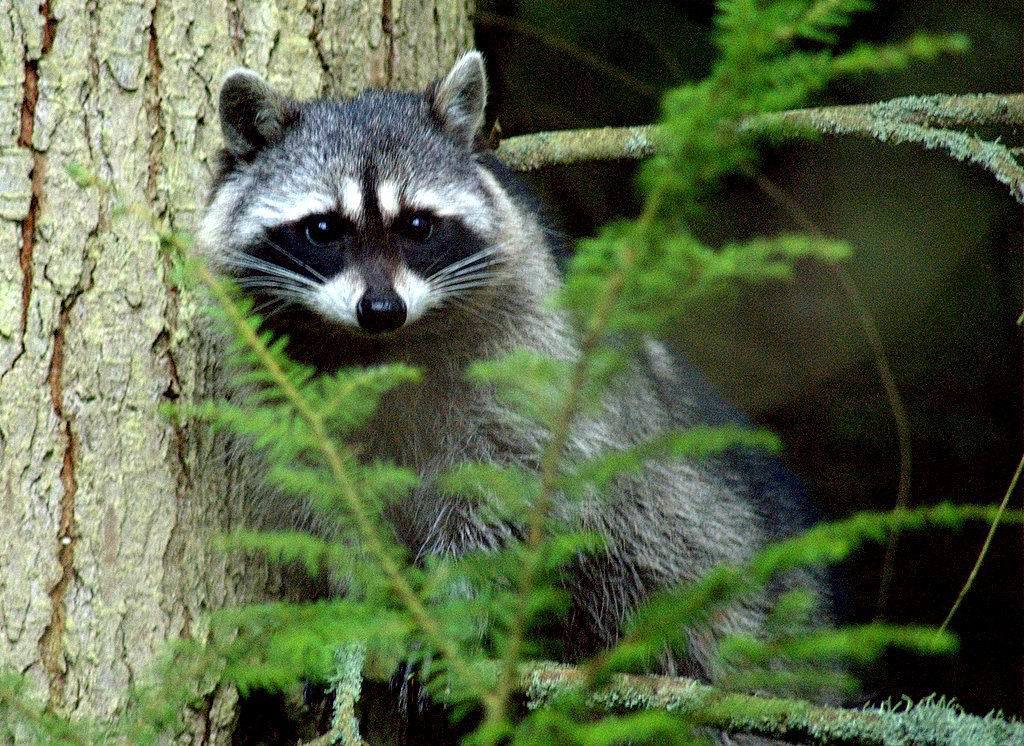
Rabies Alert: Raccoon Case Confirmed in Farnham, Quebec
A stark reminder of the ever-present threat of rabies has emerged in Farnham, Quebec. Authorities confirmed that a raccoon infected with rabies was discovered deceased during a routine road patrol. This incident brings the total number of raccoon rabies cases in Quebec to 24 since December 2024.
Official Warning and Public Health Recommendations
The Ministry of the Environment, the Fight against Climate Change, Wildlife and Parks (MELCCFP) has issued a public warning, urging residents to exercise caution. Rage is a serious and fatal disease that can affect animals and humans.The population is invited to redouble their prudence,
the ministry stated in a Facebook post.
in the event of a bite or contact with saliva from an unknown animal,immediate action is crucial.The MELCCFP advises:
- Thoroughly clean the wound with soap and water for 10 to 15 minutes, even if the wound appears minor.
- Contact Info-Santé at 811 for further guidance.
Preventative Measures to Protect Yourself and Your Pets
The MELCCFP emphasizes several key steps to minimize the risk of rabies exposure:
- Do not move wild animals: Avoid any interaction that could provoke a bite or scratch.
- Vaccinate your pets: Ensure your dogs and cats are up-to-date on their rabies vaccinations. This is a critical line of defense.
- Do not touch dead animals: Even deceased animals can pose a rabies risk.
- Keep your distance from wild animals: Maintain a safe buffer to prevent potential encounters.
Residents in Estrie and montérégie are encouraged to report raccoons, skunks, or foxes exhibiting unusual behavior by calling 1-877-346-6763.
Geographic Distribution of Recent Rabies Cases
The confirmed raccoon rabies cases since December 2024 are concentrated in the following locations:
- Saint-Armand: 11 cases
- Notre-Dame-de-Stanbridge: 3 cases
- Venise-en-Québec: 2 cases
- Pike River: 2 cases
- Canton of Bedford: 2 cases
- Saint-Ignace-de-Stanbridge: 1 case
- Frelighsburg: 1 case
- Farnham: 1 case
While thes locations have reported confirmed cases, the MELCCFP stresses that the risk of encountering a rabid animal exists throughout Quebec.Wild animals can be infected without detection, making vigilance essential.
