
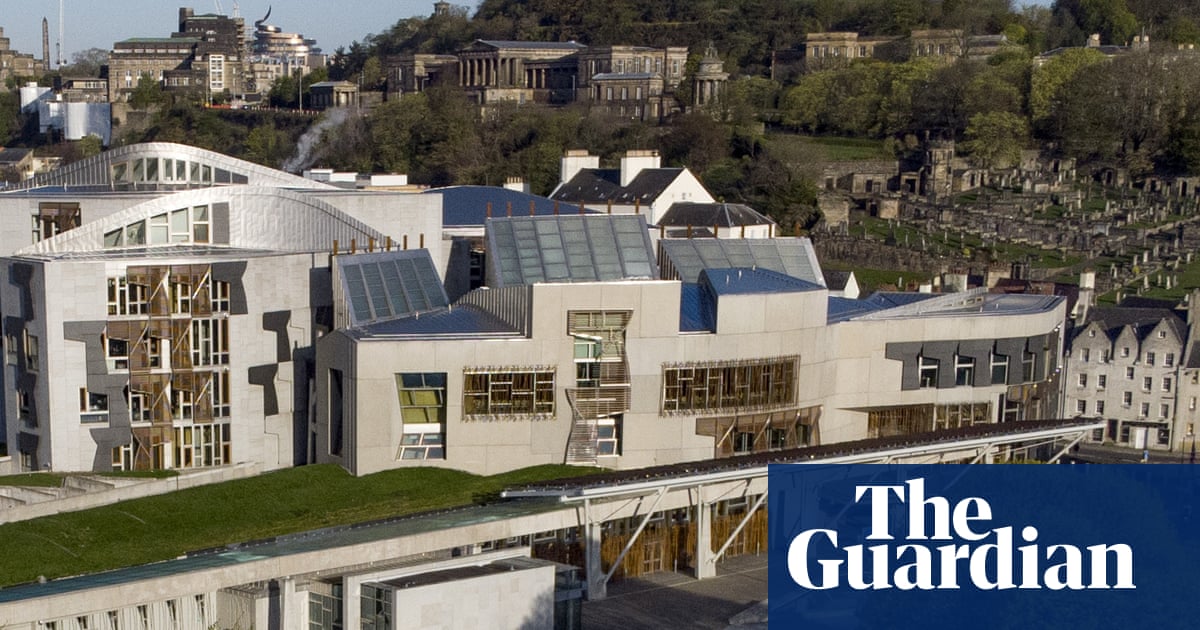
Scottish Parliament Toilet Policy Sparks Controversy
A new policy regarding restroom access in the Scottish Parliament, Holyrood, has ignited a fierce debate.Nearly 50 members of the Scottish Parliament (MSPs) and their staff have formally protested the decision to restrict transgender individuals from using restrooms aligning with their gender identity. The controversy stems from an interim position set by Alison Johnstone, Holyrood’s presiding officer and chair of the Scottish parliament’s corporate body, following a Supreme Court ruling concerning biological sex.
The New Policy: A Closer Look
Under the new guidelines, restrooms designated as male-only or female-only are now interpreted strictly according to biological sex. To mitigate potential issues, the parliament plans to increase the number of gender-neutral facilities available to all staff and visitors. The aim, according to Johnstone, is to ensure confidence, privacy and dignity
for everyone.
Legal Challenges and Concerns
Though, this interim policy has faced immediate backlash.A letter,drafted with legal advice from the Good Law Project,argues that Holyrood has misinterpreted the Supreme Court judgment. The core of the argument lies in the practical implications of enforcing such a policy.
The designation suggested in the guidance issued is that male and female spaces will be applied ‘by biological sex’. We would argue that the application of this is not only deeply invasive – it raises immediate questions about enforcement. We ask, non-rhetorically, on what basis are staff expected to prove their sex to use a toilet?
Letter from MSPs and Staff to the Scottish Parliament’s Governing Body
The letter further contends that this approach risks exposing [trans people], and anyone who may be gender non-conforming, to humiliation, harassment or worse – all under the guise of ‘clarity.’
Political Divide and Support
the letter has garnered significant support from across the political spectrum.Signatories include former Scottish government ministers Elena Whitham and Emma Roddick, Scottish National Party (SNP) Deputy Leader Keith Brown, and the leaders of the Scottish Liberal Democrats and the Scottish Greens, Alex Cole-Hamilton, Lorna Slater, and Patrick Harvie. The initiative has also received backing from MSPs representing four of the five major parties in Holyrood, including former labor leadership contender Monica Lennon.
Organizers Speak Out
Hannah Bardell, the former SNP MP who spearheaded the letter in collaboration with the Good Law Project, anticipates further support as the issue gains public attention. I’ve spoken to many MSPs who feel huge concern about this decision.I hope this can move the debate forward and that the corporate body can rethink their decision just like other organizations have done,
she stated.
Bardell also expressed concern about the broader climate surrounding transgender issues, noting, It’s very sad that the question of how trans people live their lives has become so toxic that the very people who represent them feel nervous about signing a letter like this.
UK-Wide Context
This decision places Holyrood at odds with other parliaments in the United Kingdom. Westminster, Stormont, and the Senedd have maintained their existing policies, pending final guidance from the Equality and Human Rights commission (EHRC). The EHRC guidance is now expected to be delayed until after the summer for further consultation.
Parliament’s Response
A Scottish Parliament spokesperson emphasized that this is an interim position and that further adjustments may be necessary based on the EHRC’s updated code of practice. We will therefore consult with staff, their trade union representatives, members and other stakeholders, including equalities groups who work regularly and closely with people with protected equalities characteristics, at an appropriate point,
the spokesperson said.
