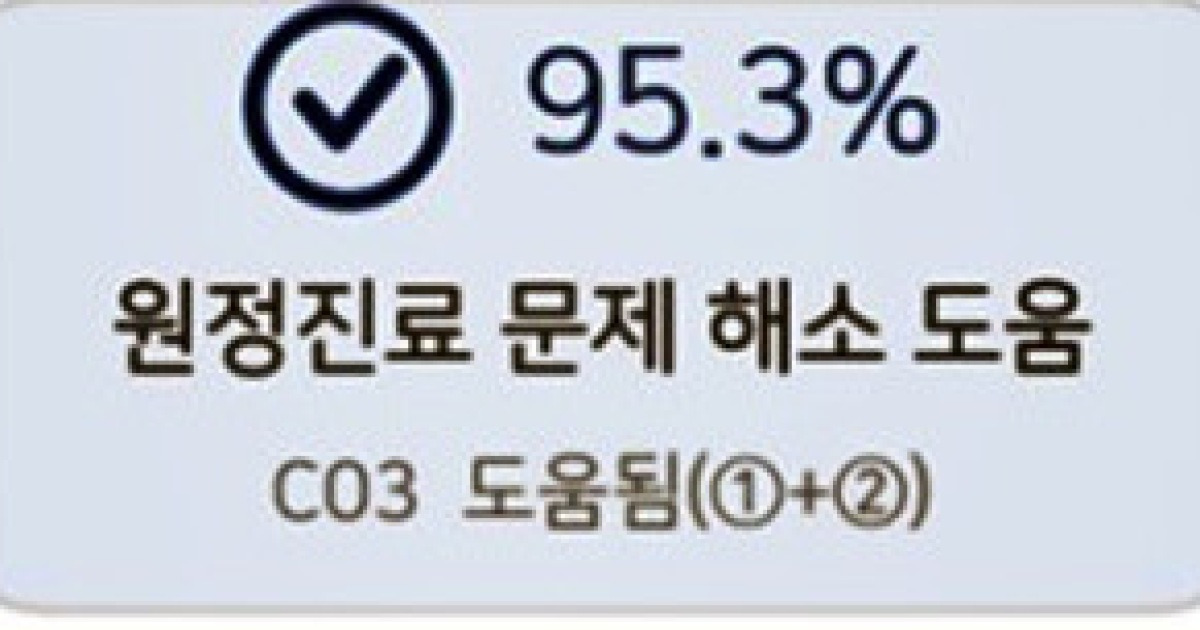
95.3% of Chungcheong Residents Say Big 5 Level Cancer Hospital Would Ease Seoul Travel
Residents across the Chungcheong region—comprising Daejeon, Sejong, North Chungcheong, and South Chungcheong provinces—are signaling a significant demand for localized, high-level oncological care.
Key Clinical Takeaways:
- Over 95% of surveyed Chungcheong residents identify a regional “Big 5” level cancer hospital as a critical necessity to alleviate the burden of traveling to Seoul for treatment.
- The primary drivers for current out-of-region medical travel are perceived gaps in medical equipment and physician expertise, cited by a majority of respondents.
Regional Demand for Advanced Oncological Infrastructure
The survey, which sampled 512 adults aged 18 and older, highlights a persistent trend in medical migration.
Drivers of Medical Migration to Seoul
The decision to seek care outside the Chungcheong region is largely dictated by clinical and technological expectations. When asked why they opted for Seoul-based facilities, 53.4% of respondents cited a lack of state-of-the-art medical equipment and facilities in their home region. Also, 51.6% pointed to a perceived difference in the expertise of medical staff. These findings show a clinical gap where patients prioritize access to advanced diagnostic and therapeutic technologies, which they view as insufficient in the local provincial infrastructure.
Priorities for Future Regional Cancer Centers
Securing high-level medical expertise was the top priority, with 64.2% of respondents emphasizing the need for specialized oncologists. Equipping the hospital with advanced medical infrastructure, specifically mentioning systems, followed closely at 62.8%.
Projected Impact on Local Care Utilization
The establishment of a “Big 5” level cancer hospital is expected to dramatically shift patient behavior. According to the survey data, 95.3% of residents believe such a facility would effectively resolve the reliance on Seoul-based treatment. Also, 38.2% of participants stated they would choose to receive their full course of diagnosis and treatment at the new center, while 38.0% would treat it as their primary option for consideration. Only 19.5% of respondents indicated they would still prioritize searching for hospitals in Seoul first.
Representative Park Yong-gap emphasized that the current reliance on capital-centric medical care is an issue of national equity. He stated that the goal of balanced regional growth must extend beyond transportation and job creation to ensure that the opportunity to preserve life is equal regardless of a patient's place of residence.
Disclaimer: The information provided in this article is for educational and scientific communication purposes only and does not constitute medical advice. Always consult with a qualified healthcare provider regarding any medical condition, diagnosis, or treatment plan.