
Fruit Fuels You: Debunking Carb Concerns for Healthy Eating
Registered Dietitian Explains Why Whole Fruits Belong in Your Diet
Worried about carbohydrates in fruit derailing your low-carb diet? Experts say you shouldn’t be. Whole fruits offer essential nutrients, fiber, and water, making them a valuable part of a balanced diet, even for those mindful of carb intake.
Carbs Aren’t the Enemy, Context Is Key
Registered dietitian **Patricia Bannan**, author of “From Burnout to Balance,” emphasizes that the carbohydrates found naturally in whole fruits are distinct from refined sugars. Carbs aren’t the enemy — context matters,
**Bannan** told TODAY.com. She explains that the fiber, water, and nutrients accompanying fruit’s natural sugars help to slow digestion and prevent drastic blood sugar spikes, a stark contrast to processed sweets.
This natural fiber and water content also contribute to feelings of fullness, aiding in satiety. Despite these benefits, a significant portion of the U.S. population consumes less than the recommended 1.5 to 2 cups of fruit daily, according to government nutrition guidance from MyPlate. The U.S. Department of Agriculture notes this shortfall means missing a crucial element of dietary quality.
Strategic Snacking for Balanced Blood Sugar
While studies suggest that high fruit intake may protect against Type 2 diabetes, the American Diabetes Association advises awareness of portion sizes. They recommend sticking to fruit pieces roughly the size of a tennis ball or one cup of berries. To further manage blood sugar responses, **Bannan** suggests pairing fruit with healthy fats or proteins. Examples include enjoying berries with Greek yogurt, apple slices with nut butter, or avocado on whole-grain toast.
Naturally Sweet Powerhouses: High-Carb Fruits to Enjoy
While some fruits naturally contain more carbohydrates, **Bannan** encourages their inclusion in a varied diet, rather than avoidance. I wouldn’t avoid them — just enjoy in moderation as part of a varied, whole-food diet. They still come with fiber, vitamins and antioxidants,
she stated.
Dates
These chewy, caramelly fruits from palm trees are packed with beneficial plant compounds called polyphenols and fiber. Dates also provide essential minerals like copper, B vitamins, calcium, iron, and magnesium. Research indicates that dates have a low glycemic index, meaning they are less likely to cause significant blood sugar spikes.
- 2 medium Medjool dates (36 grams of carbs)
Bananas
A sweet and starchy staple, bananas are an excellent source of energy-boosting carbohydrates. Studies show that consuming a banana before and during intense exercise can be an effective strategy to support athletic performance. Bananas are also among the fruits highest in potassium, vital for hydration and fluid balance.
- 1 medium banana (27 grams of carbs)
Pears
This juicy fruit is a powerhouse for meeting daily fiber goals. One medium pear delivers about 6 grams of fiber, nearly 20% of the recommended daily intake. Pears also contribute vitamin C and are hydrating due to their high water content.
- 1 medium pear (27 grams of carbs)
Grapes and Raisins
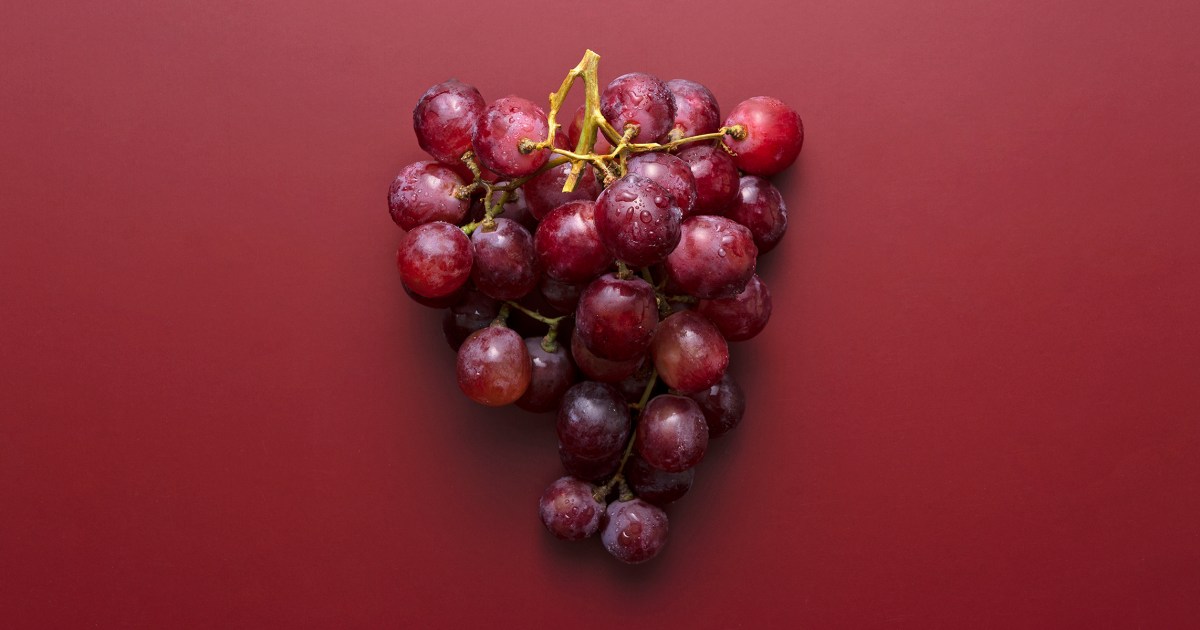
While grapes and raisins are noted for their sugar content, they also boast inflammation-fighting antioxidants beneficial for heart and skin health. Raisins, in particular, are a good source of iron. Nutrition editor for TODAY, registered dietitian **Natalie Rizzo**, calls a handful of raisins a quick, carb-rich snack that provides rapid energy for workouts.
- 1 cup of grapes (27 grams of carbs)
- ¼ cup of raisins (32 grams of carbs)
Mangoes
Rich in vitamins A and C, mangoes offer a delicious sweet and juicy experience. The fruit’s high soluble fiber content, which forms a gel during digestion, is associated with better blood sugar control and a reduced risk of heart disease, according to the National Institutes of Health.
- 1 cup of mango (25 grams of carbs)
Apples
A timeless and satisfying snack, apples are hydrating, nutritious, and portable. These popular fruits are low in calories and fat but high in fiber and essential nutrients. Research suggests apple consumption is linked to a lower risk of various cancers, as well as benefits for heart and gut health.
- 1 medium Gala apple (23 grams of carbs)
Cherries
A serving of cherries provides a significant portion of daily vitamin C needs, along with anthocyanins. These antioxidants give cherries their vibrant color and are linked to a decreased risk of chronic diseases. Frozen cherries are a convenient year-round option for smoothies, offering natural sweetness and anti-inflammatory properties.
- 1 cup of sweet cherries (22 grams of carbs)
Blueberries
These small but nutrient-dense berries are celebrated for their high antioxidant content. Blueberries are renowned for supporting brain health and offering cardiovascular benefits. Studies published in Nutrients indicate that blueberries possess potent cardiovascular protective actions, helping to prevent inflammation and plaque buildup in arteries.
- 1 cup of blueberries (21 grams of carbs)
Figs
With their jam-like sweetness and crunchy seeds, figs make a satisfying snack. They are a component of the Mediterranean diet, known to reduce inflammation and support gut health. Figs are exceptionally rich in fiber, and dried varieties are also a good source of calcium and magnesium.
- 2 medium raw figs (19 grams of carbs)
- ¼ cup dried figs (24 grams of carbs)
Incorporating a variety of these fruits into your daily meals can provide essential nutrients and contribute to overall well-being, even when managing carbohydrate intake.
