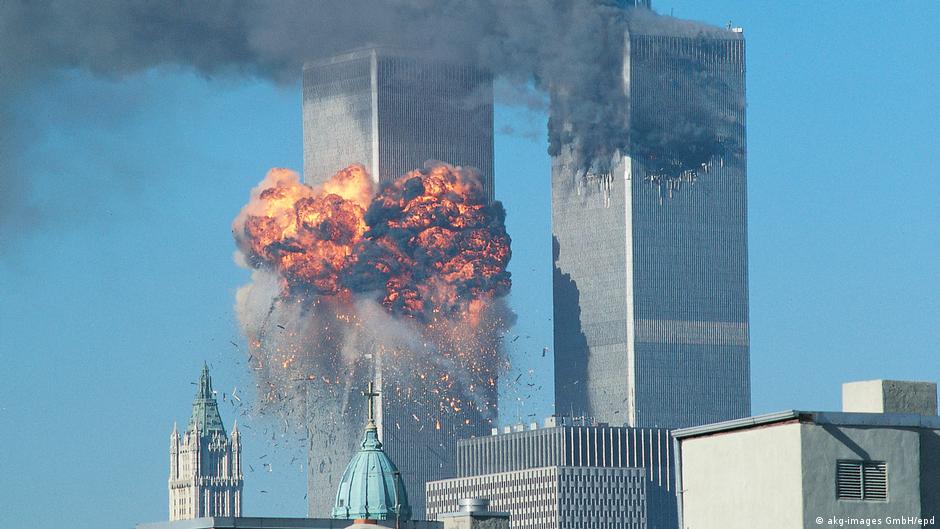
9/11 After 25 Years: Legacy, Loss, and Lasting Conspiracy Theories
Twenty-five years after the September 11 terrorist attacks killed nearly 3,000 people and injured thousands, enduring security shifts and psychological scars continue to shape the global geopolitical landscape. According to reports from international news outlets including Deutsche Welle, BBC, CNN en Español, and Revista Semana, this historic milestone arrives as the international community confronts not only the long-term architectural and geopolitical redesign of Lower Manhattan—marked by the ongoing reconstruction and upcoming inaugurations at the World Trade Center site—but also the persistent proliferation of conspiracy theories across digital networks.
The Geopolitical and Social Aftershocks of September 11
The events of September 11, 2001, altered the trajectory of modern international relations. Al Qaeda’s hijacking of four commercial airliners—striking the World Trade Center towers in New York, the Pentagon in Washington D.C., and resulting in a crash in a Pennsylvania field—forced a global restructuring of intelligence sharing, aviation security, and cross-border counter-terrorism mandates.
According to historian Claus Oberhauser, speaking to German media outlet BR-Faktenfuchs, the tragedy served as “a turning point that triggered very many things: global social debates that did not exist before and security problems that were not actually known.”
Corporations operating across unstable jurisdictions were forced to fundamentally re-evaluate their physical asset protection and personnel safety strategies. Organizations facing complex cross-border compliance demands frequently retain specialized corporate security consultants to manage these enduring geopolitical risks.
Psychological Vulnerability and Digital Disinformation Networks
A quarter-century later, the digital information ecosystem faces a different kind of fallout. Despite comprehensive official investigations by state and independent entities—including the National Institute of Standards and Technology (NIST), the Massachusetts Institute of Technology (MIT), and engineering consultancy Weidlinger Associates, which confirmed that structural failures stemmed directly from aircraft impacts and intense fires—unfounded narratives persist online.

According to a YouGov survey cited in regional reports, one of every five Americans expressed belief in government involvement theories regarding the attacks. Daniel Jolley, a researcher at the University of Nottingham, explains that sudden, catastrophic events leave informational vacuums that threaten basic human psychological needs for certainty, control, and fear reduction.
“It is rather a journey based on life experiences; for example, the adversities faced,” Jolley notes, pointing out that individuals prone to anxiety often exhibit higher susceptibility to conspiratorial narratives. Experts warn that these digital falsehoods foster societal isolation, erode institutional trust, and feed broader discriminatory movements.
Corporate Resilience in an Era of Digital Uncertainty
The persistence of systemic misinformation and institutional distrust presents unique challenges for global enterprises seeking stability in foreign markets. When public confidence in governance erodes, operational continuity, stakeholder relations, and brand reputation can experience sudden volatility. Transnational firms navigating these unpredictable information loops regularly consult with vetted risk management advisors and specialized corporate communications firms to safeguard their commercial footprint.

As the world marks 25 years since the deadliest terrorist attack in United States history, the challenge extends beyond physical rebuilding. The ongoing struggle against digital myth-making highlights a permanent vulnerability in modern global connectivity. Navigating this complex intersection of historical trauma, security policy, and information integrity requires vigilance from both state actors and the private sector firms that sustain international commerce.
Related reading