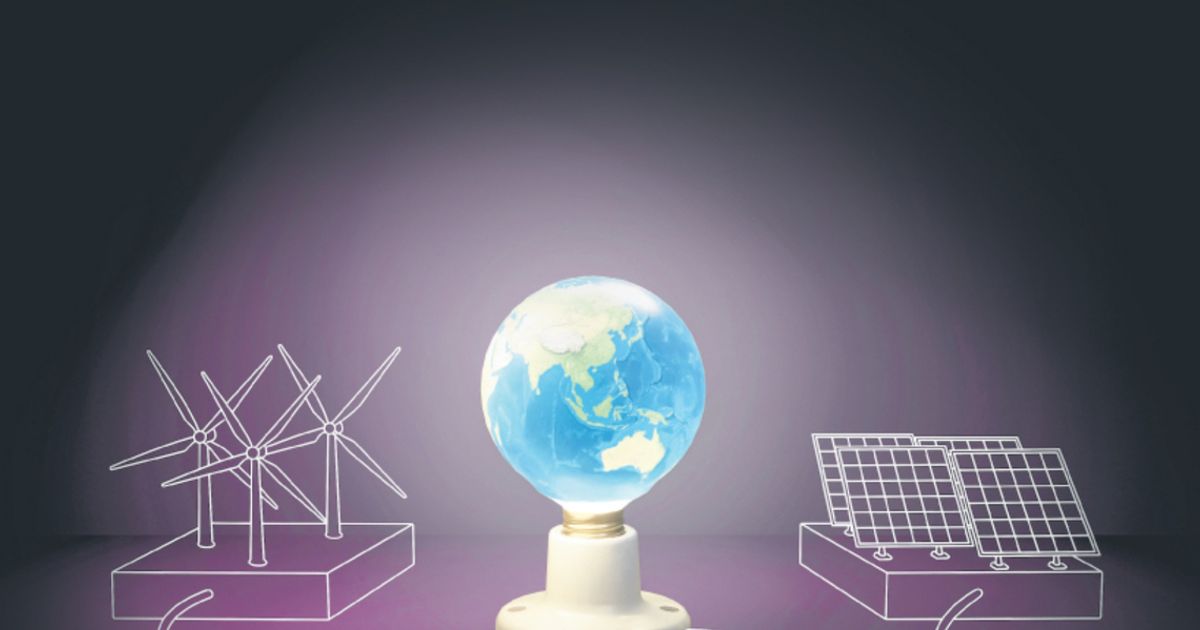
80 Nations Pledge to Increase Global Electricity Share by 2035
Around 80 nations backed a voluntary pledge to increase the share of electricity in global final energy consumption to 35% by 2035 at the COP31 summit in Turkey, which concluded on Nov 22.
While the conference ended without a formal political declaration from the nearly 200 participating countries, this electrification initiative aims to transition fossil fuel-dependent processes toward electricity.
International Energy Agency (IEA) executive director Fatih Birol stated on Nov 23 that meeting this 35% target could reduce emissions by at least 8 gigatonnes, a figure equivalent to roughly 1.6 times the annual carbon output of the United States. Even if power grids remain reliant on fossil fuels, electrified processes generally offer higher energy efficiency than traditional combustion methods.
Singapore and the Philippines are among the Southeast Asian nations that have joined the pledge. However, Singapore’s Minister for Sustainability and the Environment Grace Fu said on Nov 20 that the country cannot currently commit to meeting the target using only green energy, citing a lack of domestic renewable options and a reliance on external low-carbon power partnerships.
Electrification could provide economic stability for Southeast Asia by reducing dependence on imported fossil fuels, which often fluctuate in price due to geopolitical instability. A Nov 9 IEA report said that shifting toward interconnected regional renewable energy could save the region nearly 30% of its 2025 fuel import bill by 2035.
“The end goal was to move them out of energy poverty,” said Natharoun Ngo Son, regional director for energy and economics at the Cambodia-based organisation EnergyLab.
He added that the definition of energy poverty has shifted to include the need for reliable, affordable electricity for rural health centres and for workers impacted by volatile fuel costs.
The transport and industrial sectors present immediate opportunities for this transition. Experts said that electric vehicles and industrial heat pumps are viable technologies that can replace high-emission processes in food processing and textile manufacturing. Regional efforts are already underway, with Vietnam planning to phase out petrol-powered motorcycles in parts of Hanoi and Ho Chi Minh City by 2030.
The development of the ASEAN Power Grid remains a focal point for achieving these goals by enabling cross-border electricity trading.
While the grid could allow countries to share renewable resources, it faces political and financial challenges. “For instance, importing countries need confidence that contractual commitments will be respected and that electricity supply will not be used as a political bargaining chip,” Tan-Soo Jie-Sheng, director of the Institute for Environment and Sustainability at the Lee Kuan Yew School of Public Policy, said.
It remains unclear when a full list of signatory nations will be released or how participating countries will resolve the regulatory hurdles necessary to secure investor confidence in the ASEAN Power Grid.