8 Safe Ways to View the August 12, 2026 Solar Eclipse
The total solar eclipse scheduled for August 12, 2026, will draw millions of observers across northern Spain, western Iceland, and eastern Greenland, accompanied by a deep partial eclipse visible throughout Europe and a smaller partial phase reaching northeastern North America. Deciding how to observe the event safely depends heavily on geographic location, budget, and personal observation goals, according to observational guidelines outlined ahead of the celestial alignment.
- Certified viewing devices complying with the ISO 12312-2 standard block more than 99.999% of intense visible and invisible light.
- Observers located within the path of totality must remove eye protection strictly and only during the brief period of complete occlusion to view the solar corona.
Certified Eclipse Glasses for Land-Based Observation
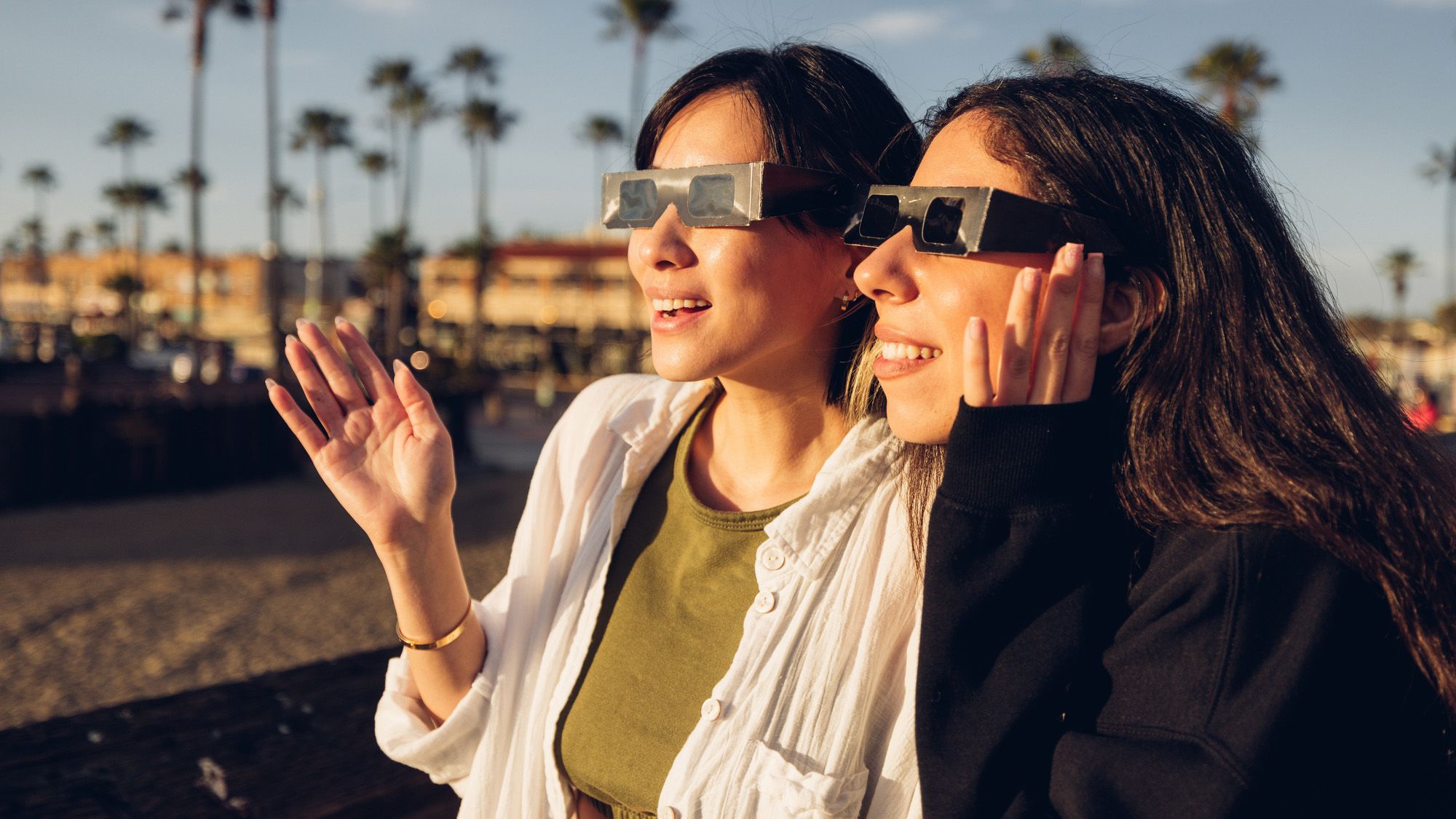
For observers viewing any partial phase from land, certified eclipse glasses represent the fundamental standard of protection. Products compliant with the ISO 12312-2 standard attenuate solar irradiance to safe thresholds, rendering the sun as a distinct orange or white disk against a dark field. Major recommended manufacturers listed by the American Astronomical Society include American Paper Optics, Rainbow Symphony, and Thousand Oaks in the United States, alongside Baader in Europe. Securing these materials early is critical, as supply chains routinely experience severe inventory depletion prior to major astronomical events.
Handheld Solar Viewers and Maritime Safety
Observers aboard marine vessels or cruise ships frequently utilize handheld solar viewers. Fabricated from the identical certified polymer and paper materials as standard glasses, these devices feature enlarged viewing windows and integrated lanyards.
Protocol for Naked-Eye Viewing During Totality
Observers positioned strictly within the path of totality face a unique operational window. During the partial phases preceding and following totality, certified eye protection remains mandatory. However, once the moon completely obscures the solar disk, viewers must remove their eclipse glasses. This brief window of totality is the singular moment when the naked eye can safely perceive the faint solar corona, background planets, and ambient twilight hues along the horizon.
Optical Enhancements: Solar Binoculars and Filtered Optics
Individuals desiring higher magnification during partial phases can integrate dedicated solar binoculars featuring permanently attached filters, or apply removable filters to standard binoculars and telescopes. Improvised materials such as neutral density sunglasses, smoked glass, or standard photographic filters offer zero biological protection and must never be used.
Automated Smart Telescopes and Remote Digital Engagement
Technological integration has transformed amateur observation through automated smart telescopes developed by manufacturers such as Unistellar, ZWO, DwarfLab, and Celestron. Equipped with front solar filters, these digital systems autonomously track the solar path and relay images to personal tablets. Meanwhile, global digital infrastructures managed by organizations like the European Space Agency and TimeAndDate will broadcast verified real-time livestreams, ensuring public access for individuals residing outside the geographic path or experiencing localized meteorological obstruction.