
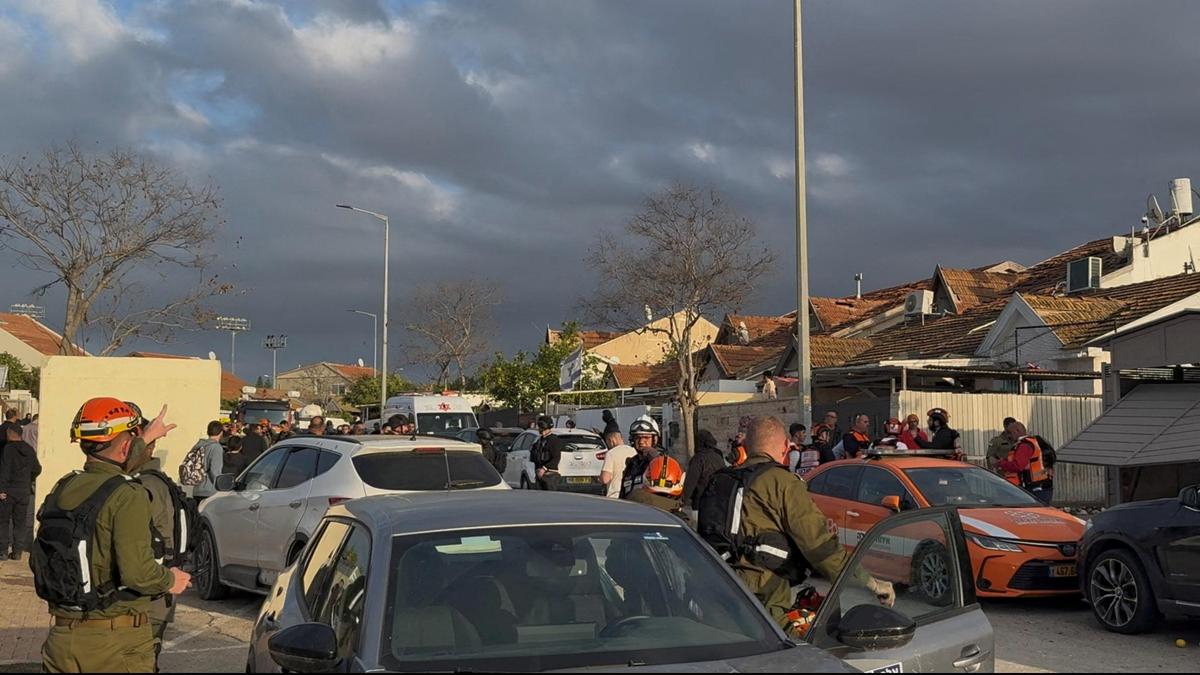
An Iranian missile strike hit a Kuwaiti power and water desalination plant on March 30, 2026, killing one Indian national. The Kuwait Electricity Ministry confirmed significant structural damage, marking a dangerous escalation in regional hostilities. Energy security across the Gulf faces immediate threats as infrastructure becomes a direct target.
What we have is not merely a border skirmish. It is a fundamental shift in how conflict operates in the Middle East. By targeting dual-use infrastructure like power and water stations, aggressors move beyond military assets to strike at civilian stability. The death of an Indian worker highlights the vulnerable position of the expatriate workforce that powers the Gulf’s economy. Families are now left navigating complex cross-border legal systems while utilities scramble to repair critical grids.
The Human Cost Amidst Infrastructure Warfare
Kuwait relies heavily on expatriate labor to maintain its essential services. The victim, an Indian national, represents a demographic comprising nearly half of Kuwait’s population. When conflict spills into industrial zones, these workers become collateral damage in a geopolitical game they did not choose. Their families face immediate hurdles regarding compensation, repatriation, and insurance claims.
Fatima Abbas Jawhar Hayat, spokesperson for the Kuwait Electricity Ministry, did not mince words regarding the intent behind the strike.
“A service building at a power and water desalination plant was attacked as part of the Iranian aggression against the State of Kuwait, resulting in the death of an Indian worker and significant material damage to the building.”
Her statement confirms the deliberate nature of the target. Desalination plants are lifelines in arid regions. Damaging them threatens water security just as much as power availability. This tactic raises the stakes for every utility operator in the region. Security protocols designed for theft prevention are now insufficient for missile defense.
Regional security analysts note that this event breaches previous unwritten rules of engagement regarding civilian infrastructure.
“Targeting desalination capacity changes the calculus of endurance for any Gulf state. It forces immediate mobilization of emergency infrastructure repair teams to prevent secondary humanitarian crises,” said a Senior Energy Security Analyst based in Dubai.
Regional Energy Security Fractures
The Gulf Cooperation Council states maintain interconnected power grids. A disruption in Kuwait can ripple through neighboring jurisdictions. Investors watch these events closely. Stability is the primary commodity traded in this region. When physical assets burn, insurance premiums spike, and project timelines stall.
We have compiled a comparison of recent infrastructure incidents to contextualize the severity of this strike.
| Incident Type | Target Sector | Primary Impact | Recovery Timeline |
|---|---|---|---|
| Cyber Attack (2024) | Oil Administration | Data Loss | 2 Weeks |
| Drone Interception (2025) | Airspace | Flight Delays | 24 Hours |
| Missile Strike (2026) | Power & Water | Structural Damage & Casualty | 6+ Months |
The table illustrates the escalation. Previous incidents caused logistical headaches. This event causes physical destruction. Repairing high-voltage equipment and desalination membranes requires specialized engineering firms. Local municipalities must now coordinate with crisis risk management consultants to harden these sites against future attacks.
For businesses operating in the zone, continuity planning is no longer optional. Supply chains dependent on consistent power must diversify. The Associated Press continues to monitor the diplomatic fallout, but local operators need immediate physical solutions.
Legal and Logistical Aftermath
The death of a foreign worker triggers specific legal protocols under Kuwaiti labor law and international treaties. Employers face liability questions. Was the workspace fortified? Was there adequate shelter during the alert? These are not abstract questions. They determine compensation packages and potential litigation.

International families often struggle to navigate local probate and compensation courts during active conflicts. Language barriers and shifting regulations complicate the process. Legal representation must be swift to preserve evidence and secure rights.
Specialized international labor law attorneys are essential in these scenarios. They bridge the gap between local jurisdiction and the worker’s home country regulations. Without expert guidance, families risk losing entitled benefits amidst the chaos of war.
the damage assessment requires independent verification. Insurance companies will deploy adjusters, but their goal is loss mitigation. Property owners need their own advocates to ensure full coverage for business interruption and structural repair. The U.S. Department of State has issued travel advisories following the strike, signaling prolonged instability.
The Path Forward
Recovery involves more than welding steel. It requires rebuilding trust in the region’s safety architecture. Municipalities will likely mandate new zoning laws regarding industrial proximity to conflict zones. Engineers must redesign facilities with blast mitigation in mind.
This incident serves as a stark warning. The barrier between frontline and homeland has dissolved. Critical infrastructure is now the frontline. Professionals in engineering, law, and security must adapt quickly. The World Today News Directory connects organizations with the verified experts needed to navigate this new reality.
We stand at a precipice. The smoke over the power station will clear, but the strategic shift remains. Nations must decide whether to fortify their grids or risk the lights going out permanently. For those on the ground, survival depends on preparation. Consult the directory. Locate the specialists. Secure your operations before the next alert sounds.