
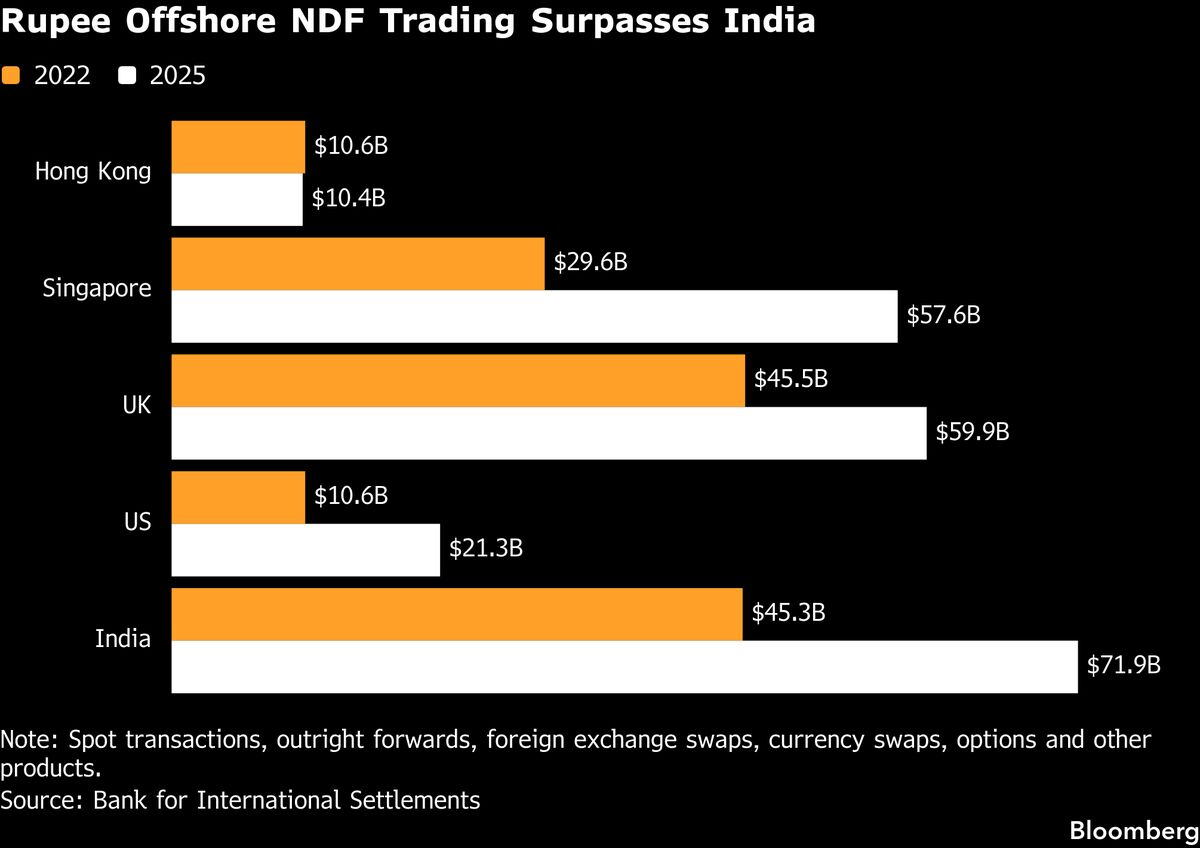
India’s central bank has tightened restrictions on rupee derivatives to curb speculative pressure, marking a decisive shift in monetary defense as foreign exchange reserves face depletion. This regulatory crackdown targets non-deliverable forwards and offshore betting, aiming to stabilize volatility without exhausting liquidity. Corporations facing heightened currency risk must now pivot toward compliant hedging strategies.
New Delhi’s move signals a breaking point in the cost of defending the national currency. For over a decade, the Reserve Bank of India tolerated certain offshore positions to maintain liquidity flow. That era ends now. Intervention costs have swollen to unsustainable levels, forcing policymakers to choose between reserve preservation and exchange rate stability. They chose the reserves. This decision ripples through global supply chains, particularly for multinational corporations with significant exposure to Indian manufacturing hubs. Treasury departments can no longer rely on standard offshore instruments to mitigate risk.
Volatility creates immediate friction for importers and exporters alike. When currency walls go up, the cost of moving capital across borders spikes. CFOs are suddenly staring at widened spreads and reduced hedging efficiency. The market reaction was swift, with implied volatility jumping across emerging market peers. Investors interpret this as a sign of underlying stress within the balance of payments. This proves not merely a currency issue; it is a liquidity constraint that demands professional navigation. Companies scrambling to adjust their exposure are turning to specialized financial risk management firms to restructure their derivative portfolios within the new compliance framework.
Understanding the mechanics requires looking at how domestic finance offices operate under pressure. The U.S. Department of the Treasury outlines similar structures where domestic finance offices manage stability during flux. India’s approach mirrors protective measures seen in other emerging economies during capital outflow cycles. The difference lies in the scale of the offshore rupee market, which has grown significantly since the last major intervention. Analysts tracking these moves must now differentiate between genuine trade hedging and speculative positioning. The line has blurred and regulators are drawing it again with stricter enforcement.
Market and financial analysts play a critical role in decoding these shifts for institutional investors. As noted in recent industry profiles, the demand for professionals who understand both regulatory frameworks and market mechanics has surged. The role of market and financial analysts has become crucial as companies fail to fully understand their markets and finances during such transitions. These professionals are no longer just forecasting earnings; they are stress-testing balance sheets against currency shocks. Their work dictates capital allocation decisions for the upcoming fiscal quarters.
Three specific shifts will define the industry landscape following this announcement:
- Compliance Overhead Increases: Legal teams must validate every cross-border transaction against new central bank directives, requiring deeper integration between legal counsel and treasury operations.
- Hedging Costs Rise: With offshore avenues restricted, onshore hedging instruments will observe higher premiums, squeezing EBITDA margins for import-heavy businesses.
- Capital Repatriation Delays: Multinationals may face longer wait times to move profits out of the region, impacting global cash flow forecasting and liquidity management.
Legal implications accompany every regulatory tweak. Corporate law firms specializing in cross-border finance are seeing inbound queries spike. A change in derivative rules often triggers a review of existing contracts to ensure no breach of covenant occurs. Ignoring the fine print can lead to penalties that outweigh the trading losses themselves. Enterprises are actively consulting with corporate law firms to audit their current exposure and ensure alignment with the latest monetary policy statements. Compliance is no longer a back-office function; it is a strategic imperative.
The broader capital markets ecosystem must adapt to this reduced liquidity environment. Careers in this sector now demand a sharper focus on regulatory arbitrage and policy analysis. Resources detailing what is a career in capital markets highlight the need for versatility in roles ranging from sales and trading to structural finance. The professionals who thrive here are those who can anticipate policy shifts before they become headline news. They build models that account for regulatory friction, not just market volatility. This skill set commands a premium in the current hiring landscape.
Occupational data supports this shift toward specialized financial knowledge. The U.S. Bureau of Labor Statistics categorizes these roles under business and financial occupations, noting steady growth in demand for analysts who can navigate complex economic environments. As India tightens the screws, the need for localized expertise becomes paramount. Global firms cannot rely on headquarters-based teams to manage region-specific currency risks anymore. They need boots on the ground or specialized partners who understand the nuance of the Reserve Bank’s directives.
Strategic planning for the next fiscal year must account for this new reality. Budgets allocated for currency hedging need revision. Cash flow models require adjustment for potential repatriation delays. This is not a temporary blip; it is a structural change in how capital moves through the Indian economy. Businesses that fail to adapt will see their working capital efficiency degrade. The smart money is already moving to secure advisory partners who can navigate this tightened corridor. Engaging with vetted enterprise financial consulting services ensures that treasury operations remain robust despite the external constraints.
Market stability often comes at the price of flexibility. India has chosen stability, forcing the private sector to absorb the cost of reduced flexibility. The trajectory suggests further tightening if reserve levels continue to face pressure. Investors should watch the next quarterly foreign exchange data release for signs of stabilization. Until then, caution is the only viable strategy. Navigate this shift by partnering with directory-verified experts who understand the stakes. The World Today News Directory connects you with the firms capable of turning regulatory headwinds into manageable operational variables.