
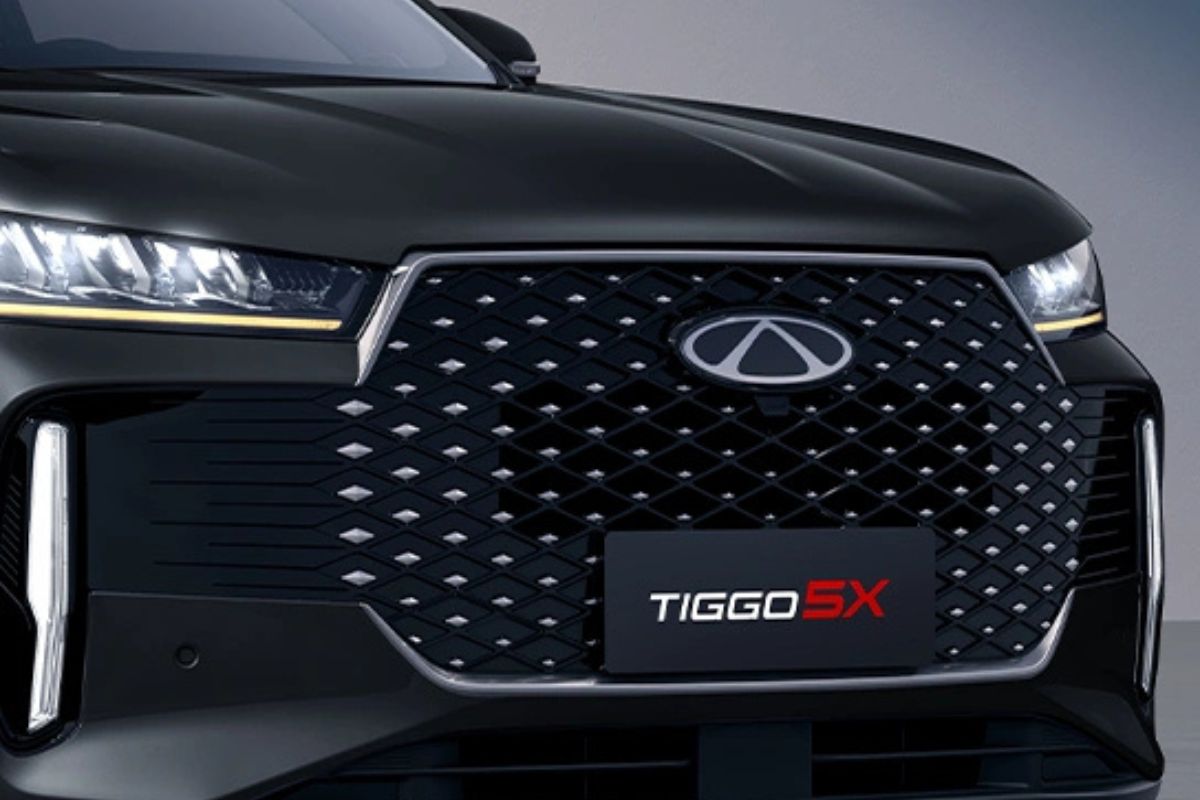
Brazil’s compact SUV segment is undergoing a violent liquidity shift as the Nissan Kait challenges CAOA Chery’s Tiggo 5x dominance. March 2026 data from Fenabrave reveals a 2198.8% surge for the Tiggo, yet the Kait’s 195.4% growth at the R$ 102,590 price point signals aggressive market penetration. This volatility demands immediate supply chain recalibration and competitive intelligence updates for stakeholders.
Market share is never static. It flows toward efficiency and pricing power. The March sales figures released by the National Federation of Motor Vehicle Distribution (Fenabrave) indicate a fracture in the established hierarchy. CAOA Chery managed to pivot the Tiggo 5x from a supporting role to the lead actor within weeks. Units sold jumped from 207 in February to 4,326 by March 27. That is not organic growth. That is inventory flooding or a drastic pricing correction.
Competitors are not sitting idle. The Nissan Kait entered the fray with 3,475 units moved and a growth trajectory that outpaces legacy incumbents. While the absolute volume remains lower than the Tiggo, the velocity suggests a deeper strategic play. Nissan is targeting the entry-luxury gap where margins thin but volume scales. This creates a specific fiscal problem for distributors: how to manage inventory turnover when demand spikes unpredictably.
Established players like Fiat and Jeep are feeling the pressure. The Fastback moved 4,039 units with only 15.9% growth. The Jeep Compass shifted 4,636 units, up 22.3%. These numbers look stable until you compare them against the exponential curves of the challengers. In a high-interest rate environment, capital efficiency matters more than gross volume. Dealerships holding stagnant inventory face carrying costs that erode net profitability.
Comparative Unit Sales and Growth Velocity (March 2026)
| Model | Units Sold (Month-to-Date) | Growth Rate vs. Prior Period | Market Position |
|---|---|---|---|
| CAOA Chery Tiggo 5x | 4,326 | 2198.8% | Volume Leader |
| Nissan Kait | 3,475 | 195.4% | Aggressive Challenger |
| Jeep Compass | 4,636 | 22.3% | Incumbent |
| BYD Song | 4,091 | 21.6% | EV Competitor |
| Fiat Fastback | 4,039 | 15.9% | Incumbent |
Volatility of this magnitude exposes weaknesses in logistics planning. A sudden 2000% spike in demand requires warehousing capacity that most regional distributors do not have on hand. Companies facing this kind of asymmetric growth often turn to third-party logistics providers to handle the overflow without compromising delivery timelines. Failure to secure this infrastructure results in delayed fulfillments, which damages brand equity faster than pricing can repair it.
Nissan’s strategy appears aligned with global directives to capture emerging market share through aggressive localization. In recent investor presentations, Nissan Motor Co. Emphasized strengthening competitiveness in key growth regions. While specific Brazilian guidance varies quarterly, the deployment of the Kait at the R$ 102,590 price point aligns with their stated goal of optimizing the product portfolio for cost-sensitive segments. This pricing undercuts the Tiggo’s perceived value proposition.
Financial analysts tracking the Latin American automotive sector note that price wars often precede consolidation.
“When volume growth outpaces infrastructure capacity, margin compression is inevitable. Winners will be those with the strongest balance sheets to sustain the downturn.”
This sentiment reflects broader concerns about liquidity in the automotive supply chain. As competitors slash prices to move metal, the entire sector’s EBITDA margins face downward pressure.
Regulatory compliance becomes another bottleneck during rapid expansion. Import tariffs and local content requirements in Brazil shift frequently. Automakers scaling quickly risk non-compliance penalties if their legal teams do not adapt in real-time. Corporate entities navigating this landscape frequently engage specialized trade compliance firms to audit their supply chains against changing federal regulations. One misstep in classification can halt shipments at customs.
The data suggests the Tiggo 5x victory may be short-lived. The Kait’s momentum indicates a sustainable uptake rather than a one-month anomaly. If Nissan maintains this trajectory through Q2, the Tiggo could lose its protagonist status entirely. This shift forces CAOA Chery to reconsider its marketing spend and dealer incentives. Capital allocated to brand awareness might need to redirect toward retention programs.
Investors watching this segment should monitor the inventory-to-sales ratio closely. High growth numbers look impressive on a headline basis, but if those units are sitting on dealer lots rather than in consumer garages, the revenue recognition is delayed. Transparent reporting from manufacturers regarding retail sales versus wholesale deliveries is critical. Stakeholders should refer to official investor relations channels for verified production data rather than relying solely on federation estimates.
Market intelligence becomes the primary asset in this environment. Knowing competitor pricing changes before they hit the showroom floor allows for preemptive counter-strategies. Firms specializing in competitive market research provide the granularity needed to adjust pricing models dynamically. Without this data, manufacturers are flying blind into a price war.
The Brazilian SUV market is no longer a steady climb. This proves a battleground defined by sudden surges and rapid obsolescence. The Tiggo 5x proved that dominance can be seized in weeks. The Nissan Kait proved it can be contested just as fast. For the businesses supporting these manufacturers, the opportunity lies in providing the stability they lack. Whether through legal protection, logistical scaling, or data intelligence, the directory of vetted partners exists to bridge the gap between volatility and growth.