
Australia’s heavy vehicle transport sector is undergoing a seismic shift, driven by escalating fuel costs and a growing commitment to sustainability. Janus Electric, a Central Coast-based firm, is leading the charge by converting diesel trucks to electric power using swappable battery systems. This transition, while promising, presents significant financial and logistical hurdles for trucking companies, creating opportunities for specialized supply chain optimization consultants and infrastructure providers.
The Fuel Crisis: A $350,000 Weekly Pain Point
The immediate catalyst for this electrification push isn’t purely environmental. Lex Forsyth, founder of Janus Electric, paints a stark picture of the economic realities facing transport operators. He recounts a recent conversation with a client facing a $350,000 weekly increase in fuel bills, with projections indicating a potential rise to $500,000 in the coming weeks. This isn’t an isolated incident. Global geopolitical instability, particularly the escalating tensions in the Middle East – as highlighted by ongoing coverage of the Iran situation – is directly impacting crude oil prices and, diesel fuel costs. The ripple effect is forcing businesses to re-evaluate their operational expenses and explore alternatives.
The $750,000 Conversion Cost: A Capital Expenditure Challenge
The conversion process itself is a substantial investment. At $175,000 per truck, plus the cost of charging infrastructure and spare batteries, the total expenditure can easily reach $750,000. This represents a significant capital outlay for even well-established trucking firms. The financial implications are complex, requiring careful consideration of total cost of ownership (TCO), potential government incentives, and the long-term benefits of reduced fuel and maintenance expenses. Companies are increasingly turning to specialized financial advisory services to model these scenarios and secure funding for fleet modernization.
Battery Weight and Payload: A Productivity Trade-off
Still, the transition isn’t without its technical challenges. Dr. Elnaz Irannezhad, a senior lecturer in Transport Engineering at UNSW, points to battery weight as a critical constraint. “In order to accommodate the battery weight, you have to load less freight basically,” she explains. This reduction in payload capacity directly impacts productivity and profitability. Trucking companies must carefully analyze route optimization and load balancing strategies to mitigate this issue. The impact on EBITDA margins is substantial, requiring a holistic approach to operational efficiency. According to a recent report by the Australian Bureau of Statistics (ABS), the road freight transport industry experienced a 2.3% decline in profitability in the December 2025 quarter, partially attributed to rising fuel costs and logistical complexities. (ABS Report)
The Infrastructure Gap: A Call for Government Support
Janus Electric’s battery swap system offers a potential solution to the charging time dilemma, but its viability hinges on the availability of widespread charging infrastructure. Forsyth laments a lack of government response to a proposal presented four years ago, highlighting the need for public-private partnerships to accelerate infrastructure development. This infrastructure build-out requires significant investment in grid upgrades, charging station deployment, and battery storage solutions. The current lack of standardized charging protocols and interoperability further complicates the landscape.
Megawatt Charging and Range Anxiety: Technological Advancements
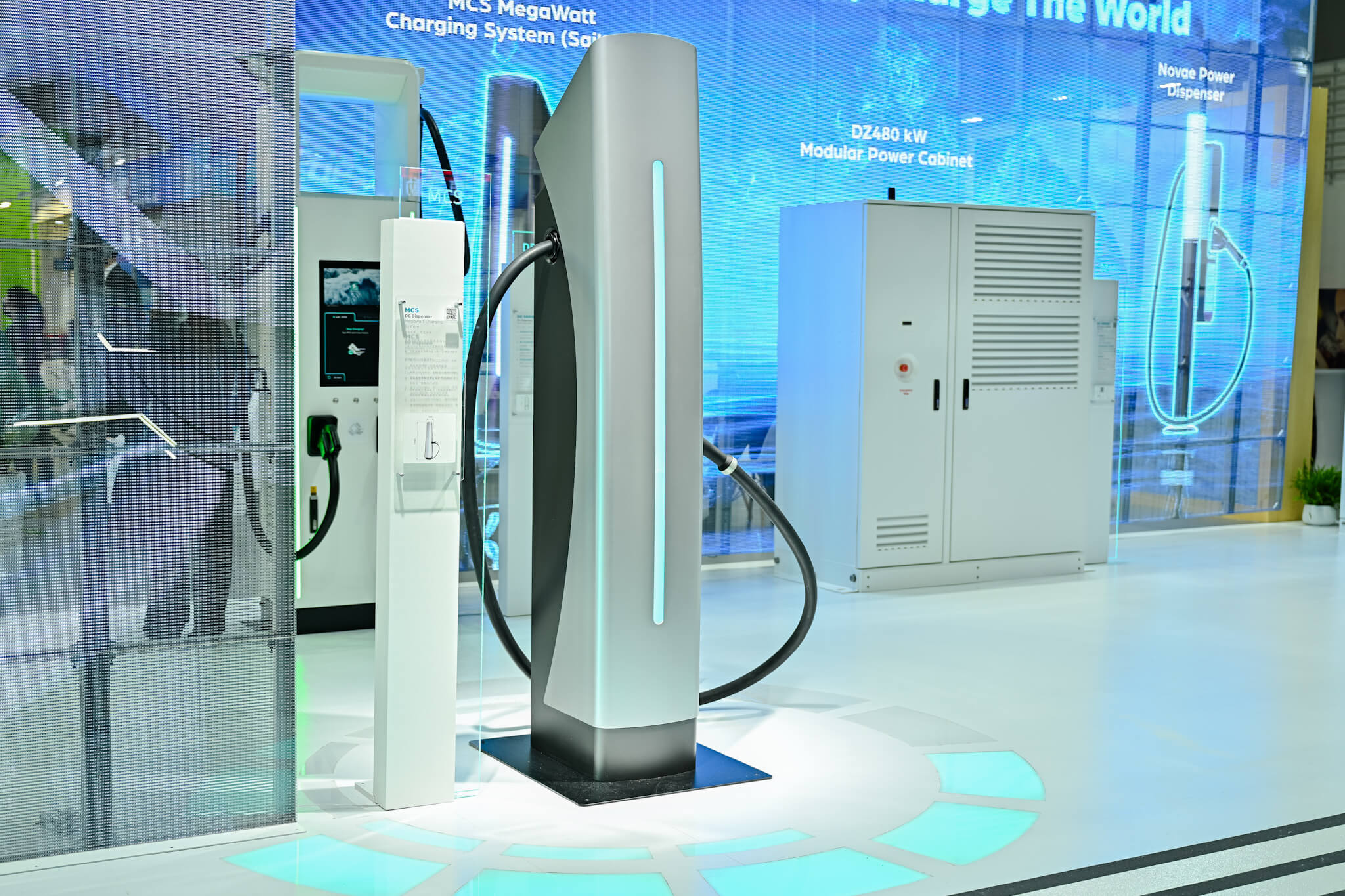
Despite these hurdles, technological advancements are offering promising solutions. Dan Bleakley, co-founder and co-CEO of New Energy Transport, highlights the potential of megawatt charging, enabling rapid charging times exceeding 1,000 kilowatts. His company recently completed Australia’s first end-to-end fully electric delivery, demonstrating the feasibility of long-haul electric trucking. Bleakley notes that the Windrose Prime Mover used in the trial achieved a range of 670 kilometers on a single charge in overseas testing and 480km locally. This addresses the critical issue of “range anxiety” and expands the operational capabilities of electric trucks.
The Waste Management Sector: A Unique Set of Challenges
The waste management industry presents a particularly complex case. Gayle Sloan, CEO of the Waste Management and Resource Recovery Association, explains that current electric truck technology struggles to meet the demands of their operations. “We pull like six tonnes on average, and the trucks often can’t stay long enough to do the routes, and the recharging isn’t quick enough,” she states. The intensive nature of waste collection routes and the need for continuous operation pose significant challenges for electric truck adoption.
The Smart Energy Council’s Optimistic Outlook
The Smart Energy Council, however, anticipates a faster transition, citing the growing adoption of electric trucks by companies like IKEA. Tim Lamacraft, General Manager, believes that regulatory changes and legislative support will be crucial to accelerating the shift.
Investor Sentiment and Market Valuation
The burgeoning electric truck market is attracting significant investor attention. According to a recent analysis by BloombergNEF, the global electric truck market is projected to reach $400 billion by 2030, with a compound annual growth rate (CAGR) of 35%. (BloombergNEF Report) This growth is driving valuations of electric truck manufacturers and related infrastructure providers. Rivian, a leading electric vehicle manufacturer, currently trades at a price-to-sales ratio of 8.5x, reflecting investor optimism about its long-term growth potential. (Rivian Investor Relations: https://investors.rivian.com/)

“We are seeing a fundamental reshaping of the transportation landscape. The convergence of rising fuel costs, environmental concerns, and technological advancements is creating a compelling case for electric trucks. However, successful implementation requires a collaborative effort between government, industry, and financial institutions.” – Marcus Chen, Portfolio Manager, Global Sustainable Equity Fund, BlackRock.
The Geopolitical Factor: A Short-Term Shock, Long-Term Trend
Dr. Irannezhad acknowledges that the current geopolitical situation will likely cause a short-term shock to the trucking industry, but she doesn’t believe it will fundamentally alter the long-term trend towards electrification. She predicts that less than 20% of Australian trucks will be electric by 2050, a conservative estimate compared to the Smart Energy Council’s projections.
Navigating the Transition: Legal and Regulatory Considerations
The transition to electric trucks also raises complex legal and regulatory issues. Companies need to navigate evolving safety standards, permitting requirements, and liability concerns. Specialized corporate law firms with expertise in transportation law and environmental regulations are essential for ensuring compliance and mitigating risk.
The electrification of Australia’s heavy vehicle fleet is not merely a technological upgrade; it’s a fundamental restructuring of the transportation ecosystem. The financial implications are substantial, demanding strategic planning, capital investment, and a proactive approach to risk management. For trucking companies seeking to navigate this complex landscape, partnering with vetted B2B providers – from financial advisors and supply chain consultants to legal experts and infrastructure developers – is no longer a luxury, but a necessity. The World Today News Directory offers a curated selection of leading firms equipped to support your transition to a sustainable and profitable future.