
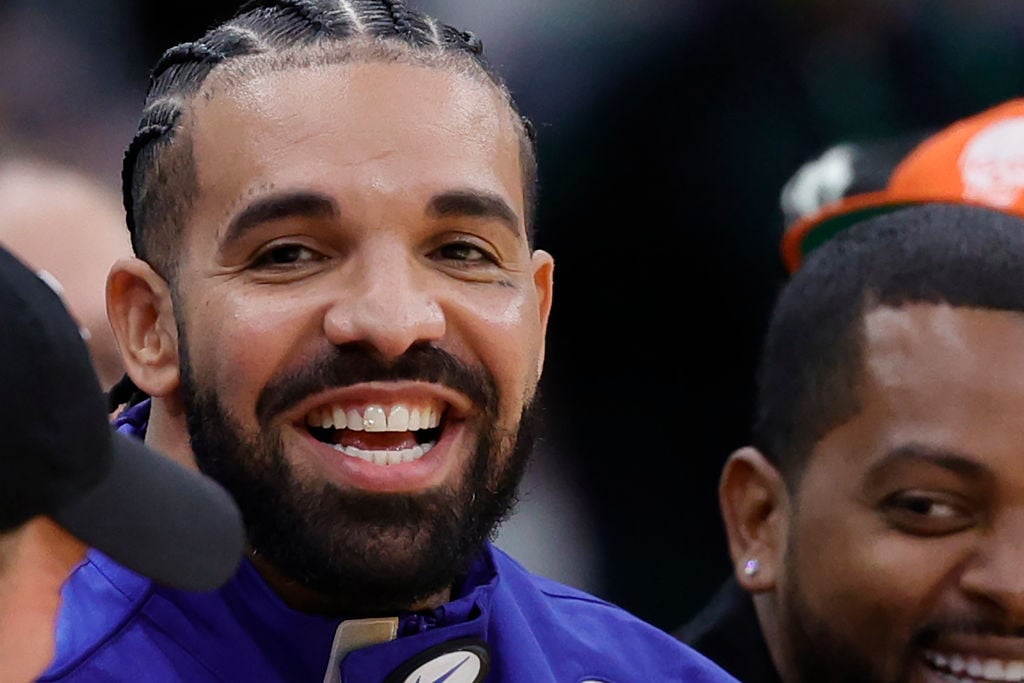
Universal Music Group formally rejected Drake’s defamation appeal on March 27, 2026, arguing hip-hop lyricism constitutes protected opinion. The label asserts the rapper’s lawsuit threatens creative freedom within the genre. Legal filings in New York suggest a prolonged battle over intellectual property boundaries and brand equity protection.
The Legal Beat vs. The Street Code
When the gavel fell in October 2025, Judge Jeannette A. Vargas drew a line in the sand that resonated far beyond the courtroom. By categorizing Kendrick Lamar’s incendiary lyrics as non-actionable opinion, the court protected the hyperbolic nature of diss tracks from civil liability. Now, as Drake pushes for an appeal, the music industry watches closely. This isn’t merely a dispute between two artists; it is a stress test for the First Amendment within the commercial music ecosystem. The core issue rests on whether lyrical exaggeration can be legally disentangled from factual assertion when millions of streams amplify the message.
UMG’s latest filing pulls no punches. Their legal team argues that accepting Drake’s premise would dismantle the foundational mechanics of rap music. The corporation’s response highlights a critical vulnerability for labels everywhere. If lyrics are treated as factual claims subject to defamation law, the risk assessment for signing provocative talent skyrockets. This shifts the burden from artistic expression to rigorous legal vetting, a logistical nightmare for intellectual property attorneys and A&R executives who rely on the spontaneity of the genre.
“If every bar becomes a potential liability, you stop signing poets and start signing compliance officers. The chill effect on creativity would be immediate and devastating for the culture.” — Senior Entertainment Litigator, New York Bar Association
The financial stakes are massive. “Not Like Us” wasn’t just a song; it was a cultural event that dominated streaming metrics throughout late 2025. Drake’s legal team contends that the track caused reputational harm on a global scale, citing millions of listeners who interpreted the lyrics as factual accusations. But, UMG counters that the genre itself is typified by inflammatory putdowns and epithets. This dichotomy forces the court to define the reasonable listener’s expectation when consuming hip-hop content. Is the audience naive, or are they complicit in the artifice?
Industry Implications for Creative Occupations
Beyond the headline names, this case ripples through the broader workforce classified under arts and media occupations. Data from labor bureaus indicates that artistic directors and media producers operate within a framework of assumed creative license. A ruling that tightens these restrictions changes the job description for everyone involved in production. Writers and producers would need to allocate budget for pre-clearance legal reviews, eating into the backend gross and production budgets. This logistical shift impacts the entire supply chain, from independent contractors to major studio departments.
For talent navigating this landscape, the need for specialized support has never been higher. When a brand deals with this level of public fallout, standard statements don’t work. The immediate move is to deploy elite crisis communication firms and reputation managers to stop the bleeding before litigation even begins. The intersection of public sentiment and legal strategy requires a unified front, something generalist agencies often fail to deliver during high-profile disputes.
The Precedent for Digital Media Liability
The appeal similarly touches on the distribution mechanism itself. Streaming platforms operate under safe harbor provisions, but increased litigation could pressure them to monitor content more aggressively. If lyrics are deemed potentially defamatory, platforms might implement stricter moderation tools, altering how music is consumed digitally. This scenario mirrors previous battles over copyright infringement, but the stakes involve personal reputation rather than just revenue sharing. The outcome could redefine how music streaming services handle user-generated content and official releases alike.

Drake’s argument hinges on the idea that context is lost in the digital ether. His attorneys claim that words are stripped from their artistic setting and treated as news. Yet, UMG maintains that the law does not support ripping words from their immediate and broader context. This tension between digital fragmentation and legal context is where the case will likely be won or lost. It requires a nuanced understanding of how media travels in 2026, far beyond the static text of a court docket.
- Legal Precedent: A ruling for Drake could open floodgates for similar lawsuits across the entertainment sector.
- Production Costs: Labels may increase reserves for legal defense, impacting artist advances and marketing spend.
- Creative Freedom: Songwriters might self-censor to avoid litigation, altering the sonic landscape of hip-hop.
Navigating the Fallout
As the appellate process moves forward, the industry braces for a decision that could reshape contract negotiations. Talent agencies and management firms are already advising clients to review indemnity clauses. The complexity of these disputes requires specialized knowledge found in top-tier litigation firms that understand both copyright and defamation law. General practice lawyers often miss the nuances of artistic expression protected under industry standards.
this case is about who owns the narrative. Is it the artist who speaks it, the label that distributes it, or the public that interprets it? The answer lies in the balance between protecting reputation and preserving the raw edge that drives cultural relevance. For now, the legal machinery grinds on, consuming resources and attention that could otherwise fuel the next wave of creativity. The resolution will set the tone for the remainder of the decade, influencing how conflicts are managed behind the scenes.
For stakeholders looking to mitigate similar risks, proactive measures are essential. Engaging with reputation management specialists before a conflict escalates can save millions in legal fees and brand damage. The World Today News Directory connects industry professionals with the vetted expertise needed to navigate these turbulent waters, ensuring that creative vision doesn’t get lost in legal translation.
Disclaimer: The views and cultural analyses presented in this article are for informational and entertainment purposes only. Information regarding legal disputes or financial data is based on available public records.