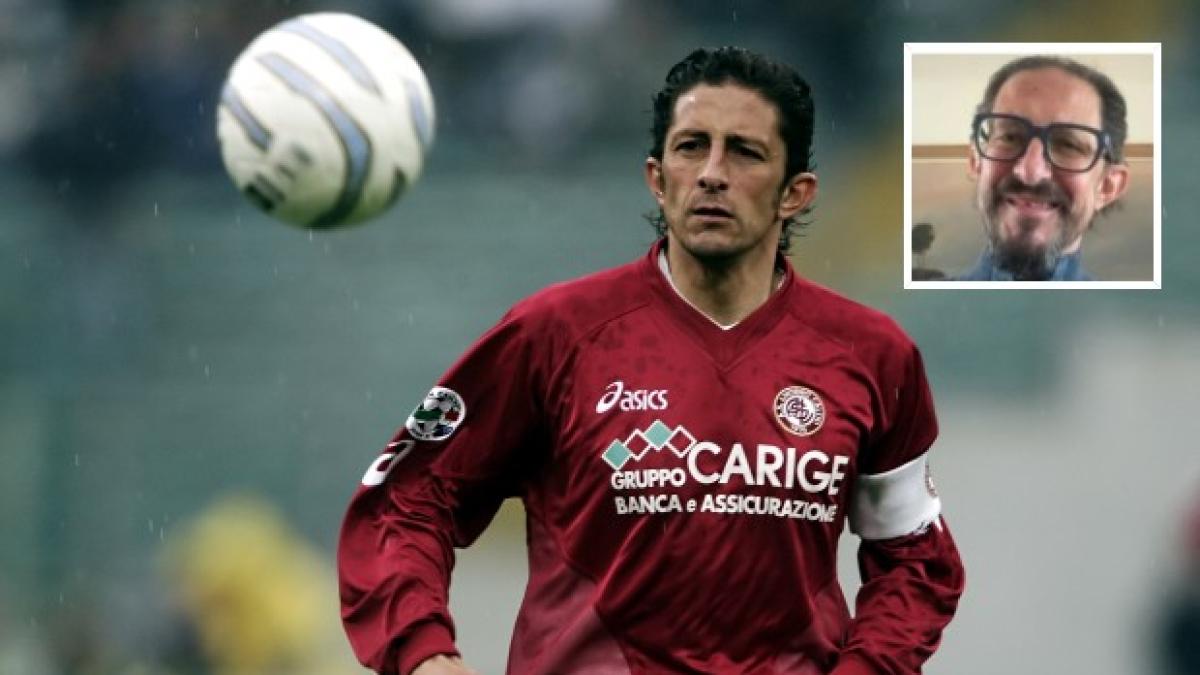
Igor Protti, the former Italian striker, is launching his biographical film, “Igor: The Romantic Hero of Football,” while simultaneously battling stage IV colon cancer. As the film hits theaters on March 30, 2026, the narrative shifts from pure sports nostalgia to a high-stakes case study in personal branding, crisis management, and the enduring economic power of the underdog story in the Italian media landscape.
The calendar reads late March, typically a quiet period in the global entertainment cycle sandwiched between the Oscars dust settling and the Cannes frenzy beginning. Yet, in Milan, the cultural temperature is rising. Igor Protti, a name synonymous with the golden era of Serie A, is not just promoting a movie; he is managing a profound existential pivot. Ten months ago, Protti was diagnosed with colon cancer. Six months ago, the disease metastasized to his vertebrae. Today, he is learning to walk again. This is not merely a human interest story; it is a complex intersection of intellectual property, public relations strategy, and the raw economics of the “comeback” narrative.
The IP of Resilience: Reframing the Sacchi Anecdote
In the high-stakes world of sports biopics, the “origin story” is the most valuable asset in the portfolio. Protti’s film leans heavily on a specific piece of industry lore: his early rejection by the legendary manager Arrigo Sacchi. In the source material for the film, Sacchi famously told a young Protti that his physical characteristics limited him to Serie C, the third tier of Italian football. Protti’s subsequent rise to become the Serie A top scorer (capocannoniere) is the core brand equity of this project.
However, the 2026 context adds a layer of urgency. When Protti states, “Sacchi was right at that moment… But with passion and sacrifice, I exceeded my limits,” he is no longer just talking about football. He is speaking to a broader demographic of investors and audiences facing their own mortality and limitations. This shifts the film from a niche sports documentary into a universal drama about human endurance.
“The modern sports biopic doesn’t sell victory; it sells the cost of victory. Protti’s current health battle inadvertently validates the film’s thesis before the audience even buys a ticket. It transforms the IP from a retrospective glance at the 90s into a live, unfolding narrative of survival.”
This alignment of art and life creates a unique marketing challenge. The promotion of the film cannot feel exploitative, yet it must capitalize on the public’s emotional investment. This is where the machinery of the entertainment industry must operate with surgical precision. A misstep in tone could alienate the fanbase community that Protti cites as his primary support system. Productions of this sensitivity often rely on specialized crisis communication firms and reputation managers to navigate the delicate balance between public sympathy and commercial promotion.
Market Dynamics: The Economics of Regional Biopics
Looking at the broader SVOD (Subscription Video on Demand) and theatrical landscape, regional sports biopics have seen a resurgence. While Hollywood dominates the global box office gross with high-budget franchises, the Italian market has proven resilient with localized storytelling. Films focusing on specific cultural icons often outperform generic action fare in domestic territories due to strong brand loyalty and lower marketing acquisition costs.

Protti’s film, shot prior to his diagnosis, benefits from a “completed asset” status, reducing production risk. However, the distribution strategy is critical. With the film releasing in cinemas just as Protti undergoes intense physical rehabilitation, the logistical footprint of the press tour is minimized. This mirrors a trend seen in post-pandemic distribution where talent availability dictates the scale of the launch.
According to data from Variety regarding similar mid-budget biographical dramas in Southern Europe, the key to profitability often lies not in the opening weekend, but in long-tail syndication rights and streaming licensing. The emotional resonance of Protti’s current condition suggests a strong potential for secondary market sales, where the “story behind the story” drives viewership months after the theatrical run.
The Logistics of Legacy: Event Management in a Crisis
The release of “Igor: The Romantic Hero of Football” is more than a cultural moment; it is a logistical operation. Protti mentions that “football is a large community,” and mobilizing that community requires infrastructure. The premiere events, Q&A sessions, and potential charity tie-ins related to his cancer battle require seamless coordination.
For a figure in Protti’s position, the physical demands of a press tour are prohibitive. This necessitates a shift toward hybrid event models. The production team is likely leveraging regional event security and A/V production vendors to create high-fidelity remote broadcast capabilities, allowing Protti to engage with audiences from his recovery location without compromising his health. This approach not only protects the talent but also expands the potential reach of the event beyond the physical capacity of the theater.
the intersection of Protti’s book launch (“Bari, I Love You!”) and the film release creates a cross-promotional ecosystem. Managing the copyright and licensing across these different media formats requires robust legal oversight. As noted by entertainment attorneys at The Hollywood Reporter, the fragmentation of rights between book, film, and potential documentary spin-offs is a common friction point that can erode backend gross if not contractually secured early.
The Verdict: A Test of Brand Durability
Igor Protti’s journey from the pitch to the hospital bed, and now to the big screen, offers a stark reminder of the fragility of the athlete’s brand. In the entertainment directory of life, Protti is currently navigating the most difficult chapter of his career. The film serves as a testament to his past, but his current battle defines his present legacy.
The industry watches not just for the box office numbers, but for the management of the narrative. If handled with the same “passion and sacrifice” Protti attributes to his playing days, this project could redefine how sports legends transition into media moguls. It proves that while the body may fail, the intellectual property of a great story remains timeless.
For stakeholders in the entertainment and sports sectors, Protti’s case underscores the necessity of having a robust support network. Whether it is securing entertainment lawyers to protect life rights or engaging luxury hospitality sectors to manage high-profile premiere events, the infrastructure behind the art is just as critical as the art itself.
Disclaimer: The views and cultural analyses presented in this article are for informational and entertainment purposes only. Information regarding legal disputes or financial data is based on available public records.