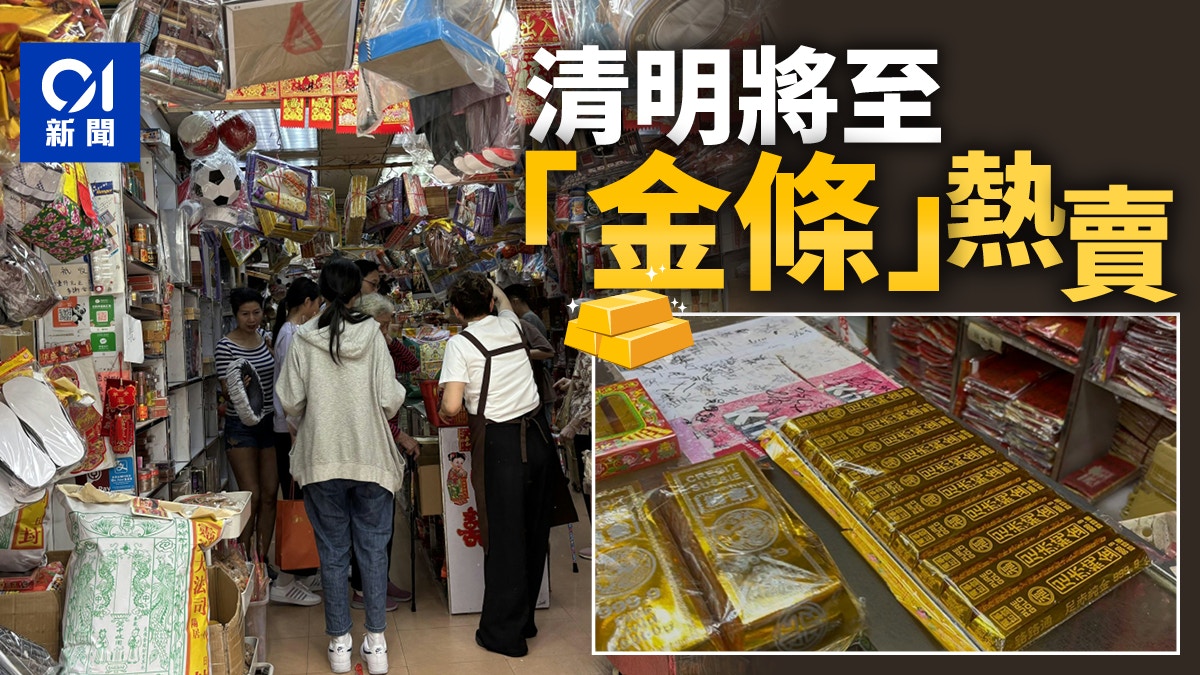
Hong Kong’s traditional paper offerings shops are experiencing an unexpected surge in demand for gold foil replicas ahead of the Qingming Festival, fueled by rising gold prices. While increased oil costs present a minor challenge, businesses are largely absorbing these expenses rather than passing them onto consumers, signaling a resilient, albeit niche, market dynamic.
The Golden Appeal: Qingming Festival and the Bullion Boost
The Qingming Festival, a time for honoring ancestors, traditionally involves burning paper representations of material goods – houses, cars, even electronics – to provide for loved ones in the afterlife. This year, however, the demand for ‘joss paper’ gold bars is significantly outpacing previous years. This isn’t simply a cultural quirk; it’s a direct reflection of the escalating price of gold. As physical gold becomes less accessible to some, the symbolic act of offering gold in the spiritual realm gains traction. According to data from the Hong Kong Census and Statistics Department, retail sales of durable goods, including celebratory items, saw a 7.2% increase in February 2026 compared to the same period last year, a trend partially attributable to this phenomenon.
The price of gold has been on a relentless climb, breaching $2,400 per ounce in March 2026, driven by geopolitical uncertainty and expectations of potential interest rate cuts by the Federal Reserve. This surge has made actual gold investment prohibitive for some, creating a substitute demand within the Qingming Festival market. Paper shops are reporting a 30-40% increase in sales of gold foil items compared to last year. This isn’t a massive economic driver, but it highlights a fascinating intersection of cultural tradition and macroeconomic forces.
Oil Price Resilience and Margin Management
The report also notes a concurrent rise in oil prices, impacting transportation costs for both paper shops and consumers traveling to ancestral gravesites. However, unlike the gold market, businesses are largely absorbing these increased costs. “We’ve seen a 15% increase in fuel costs over the last quarter,” explains Chan Wai-ming, owner of a long-established paper shop in Mong Kok, “but we’re hesitant to raise prices during Qingming. It’s a sensitive time for people, and we don’t want to appear opportunistic.” This demonstrates a strategic decision to prioritize customer goodwill over short-term profit maximization.
This absorption of costs, however, isn’t sustainable indefinitely. Businesses are actively seeking ways to streamline operations and improve efficiency. Many are turning to supply chain optimization consultants to identify cost savings in sourcing materials and logistics. The pressure on margins is real, and proactive management is crucial.
The Broader Economic Implications: A Canary in the Coal Mine?
While the Qingming Festival gold trend is a localized phenomenon, it serves as a microcosm of broader economic anxieties. The willingness to substitute real assets with symbolic representations suggests a growing sense of financial insecurity among certain segments of the population. This is particularly relevant in Hong Kong, where property prices have been in decline and concerns about economic stability are prevalent.
“The surge in demand for paper gold is a fascinating indicator of consumer sentiment. It suggests that even in a relatively affluent market like Hong Kong, there’s a growing desire for safe-haven assets, even if it’s just a symbolic representation. This could foreshadow increased demand for actual gold and other precious metals if economic conditions worsen.”
– Dr. Eleanor Vance, Senior Portfolio Manager, BlackRock
The resilience of the paper shop sector, despite rising input costs, also speaks to the enduring power of cultural traditions. However, this resilience is predicated on effective cost management and a willingness to adapt to changing market conditions. Businesses that fail to innovate and optimize their operations will likely struggle.
Navigating the Volatile Landscape: Legal and Financial Considerations
The fluctuating prices of both gold and oil introduce significant financial risks for businesses operating in this sector. Managing currency exchange rates, particularly the Hong Kong dollar’s peg to the US dollar, is also critical. Companies are increasingly relying on specialized international trade law firms to navigate these complexities and ensure compliance with evolving regulations.
the potential for increased scrutiny of financial transactions related to gold – even symbolic gold – necessitates robust anti-money laundering (AML) procedures.
Qingming Festival and the Future of Retail
The Qingming Festival paper shop market is a unique blend of tradition and commerce. Its current dynamics – driven by gold prices and oil costs – offer valuable insights into consumer behavior and the challenges facing small businesses in a volatile economic environment. The ability to adapt, innovate, and manage risk will be paramount to success.
Looking ahead to the next fiscal quarters, businesses in this sector will need to closely monitor global economic trends, particularly gold prices and energy markets. They will also need to invest in technology and data analytics to better understand consumer preferences and optimize their operations.
“We’re seeing a significant increase in demand for financial risk management services from businesses operating in traditionally stable sectors. The interconnectedness of global markets means that even seemingly isolated events, like the Qingming Festival gold trend, can have broader economic implications.”
– James Li, CFO, HSBC Hong Kong
For businesses seeking to navigate these challenges, partnering with experienced financial risk management consultants is no longer a luxury, but a necessity. The World Today News Directory provides access to a vetted network of B2B providers ready to help you thrive in today’s complex global marketplace. Don’t let market volatility catch you unprepared – explore our directory today and secure your future success.