
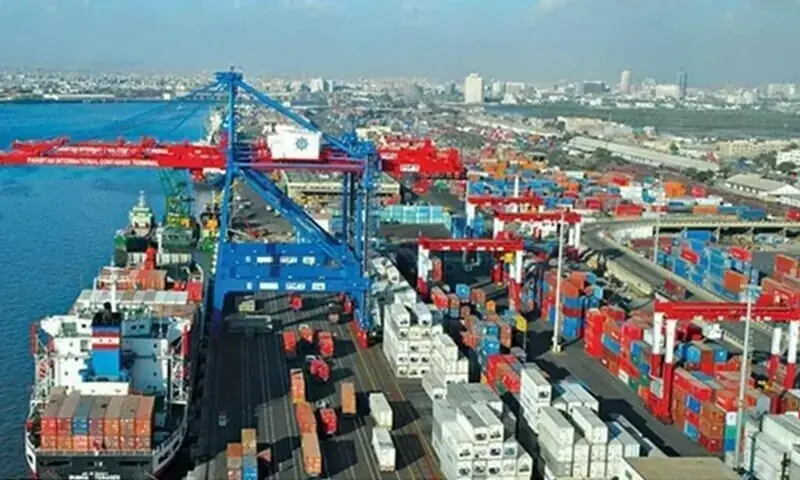
Pakistan’s exports to Europe are facing a critical slowdown, hampered by geopolitical instability, stringent EU trade regulations, and persistent supply chain disruptions. This stagnation threatens key sectors like textiles and leather, impacting Pakistan’s foreign exchange reserves and necessitating strategic diversification. Businesses are seeking specialized international trade consulting to navigate these complexities.
The Erosion of European Demand: A Looming Balance of Payments Crisis
The recent data paints a stark picture. According to the State Bank of Pakistan’s latest figures released on March 27th, exports to the European Union decreased by 8.7% year-over-year in the fiscal year 2025. While global trade generally experienced headwinds, Pakistan’s decline significantly outpaced regional peers. This isn’t simply a cyclical downturn; it’s a structural challenge. The EU, Pakistan’s largest trading partner, is increasingly focused on sustainability and ethical sourcing, areas where Pakistan’s infrastructure and regulatory frameworks lag. The impact is already being felt. Pakistan’s current account deficit widened to $2.8 billion in February 2026, a figure that’s raising alarm bells in Islamabad.
Supply Chain Bottlenecks and the Cost of Compliance
The primary culprit isn’t a lack of demand, but an inability to reliably meet it. The Red Sea crisis, coupled with ongoing disruptions at key European ports like Rotterdam and Hamburg, has dramatically increased shipping costs and lead times. A recent report by Drewry, a leading maritime consultancy, estimates that freight rates from Pakistan to Europe have increased by 150% since January 2026. This cost escalation is particularly damaging for price-sensitive goods like textiles.
Beyond logistics, the EU’s evolving regulatory landscape presents a significant hurdle. The Carbon Border Adjustment Mechanism (CBAM), set to be fully implemented in 2027, will impose a carbon tax on imports from countries with less stringent environmental standards. Pakistan’s energy sector remains heavily reliant on fossil fuels, meaning its exports will likely face increased tariffs. Companies are now urgently assessing their carbon footprints and exploring options for compliance, often turning to environmental compliance consulting firms for guidance.
Textiles Under Pressure: A Sector in Transition
Pakistan’s textile industry, which accounts for over 60% of its export revenue, is particularly vulnerable. The sector is facing increased competition from Bangladesh and Vietnam, both of which have benefited from preferential trade agreements with the EU and have made significant investments in modernizing their production facilities. The EU’s focus on circular economy principles is putting pressure on Pakistan’s textile manufacturers to adopt more sustainable practices, including water conservation and waste management.
“The CBAM is a game-changer. Pakistani exporters need to proactively invest in green technologies and improve their supply chain transparency to remain competitive in the European market. Waiting is not an option.”
– Dr. Aisha Khan, Senior Portfolio Manager, Emerging Markets Equity, BlackRock
The Role of Geopolitical Risk and Currency Volatility
Political instability within Pakistan itself adds another layer of complexity. Frequent changes in government and policy uncertainty deter long-term investment and hinder export diversification. The Pakistani Rupee has also experienced significant volatility, depreciating by 12% against the Euro in the past year. This devaluation, while potentially boosting export competitiveness in the short term, also increases the cost of imported raw materials and fuels inflationary pressures.
The situation demands a proactive response. Pakistan needs to prioritize structural reforms, including improving its infrastructure, streamlining its regulatory processes, and investing in education and skills development. Diversifying export markets beyond Europe is also crucial. Exploring opportunities in Asia, Africa, and Latin America can reduce Pakistan’s reliance on a single region and mitigate the impact of future shocks.
Navigating the Regulatory Maze: A Legal Imperative
The increasing complexity of international trade regulations necessitates robust legal counsel. Pakistani exporters are facing challenges related to customs compliance, trade disputes, and intellectual property protection. Engaging with specialized international trade law firms is no longer a luxury, but a necessity. These firms can provide guidance on navigating the intricacies of EU trade law, mitigating legal risks, and ensuring compliance with international standards.

Financial Implications: EBITDA Margins and Revenue Multiples
The stagnation in exports is directly impacting the financial performance of Pakistani companies. According to a recent analysis by Topline Securities, the average EBITDA margin for textile exporters declined from 15% in fiscal year 2024 to 12% in fiscal year 2025. Revenue multiples have also contracted, reflecting investor concerns about future growth prospects. The current price-to-earnings (P/E) ratio for the textile sector is hovering around 8x, down from 12x a year ago. This decline in valuation underscores the urgency of addressing the underlying challenges.
A Macroeconomic Outlook: Three Key Shifts
- Increased Focus on Regional Trade Agreements: Pakistan will likely prioritize strengthening trade ties with regional partners like China and Turkey to offset the slowdown in European demand.
- Acceleration of Export Diversification: The government will need to incentivize exporters to explore modern markets and develop new products.
- Investment in Sustainable Infrastructure: Significant investments in renewable energy, water conservation, and waste management are crucial for meeting EU sustainability standards.
“Pakistan’s export challenges are multifaceted, but they also present opportunities for innovation and strategic realignment. Companies that proactively adapt to the changing global landscape will be best positioned to succeed.”
– Omar Farooq, CEO, Pakistani Exporters Association
The current situation demands a strategic overhaul of Pakistan’s export strategy. Simply maintaining the status quo is not an option. Businesses need to embrace innovation, invest in sustainability, and seek expert guidance to navigate the complex regulatory landscape. The World Today News Directory provides access to a vetted network of B2B partners – from international trade consultants and environmental compliance specialists to legal experts – ready to help Pakistani exporters overcome these challenges and unlock new opportunities. Don’t let regulatory hurdles and supply chain disruptions derail your growth; connect with the right partners today.