
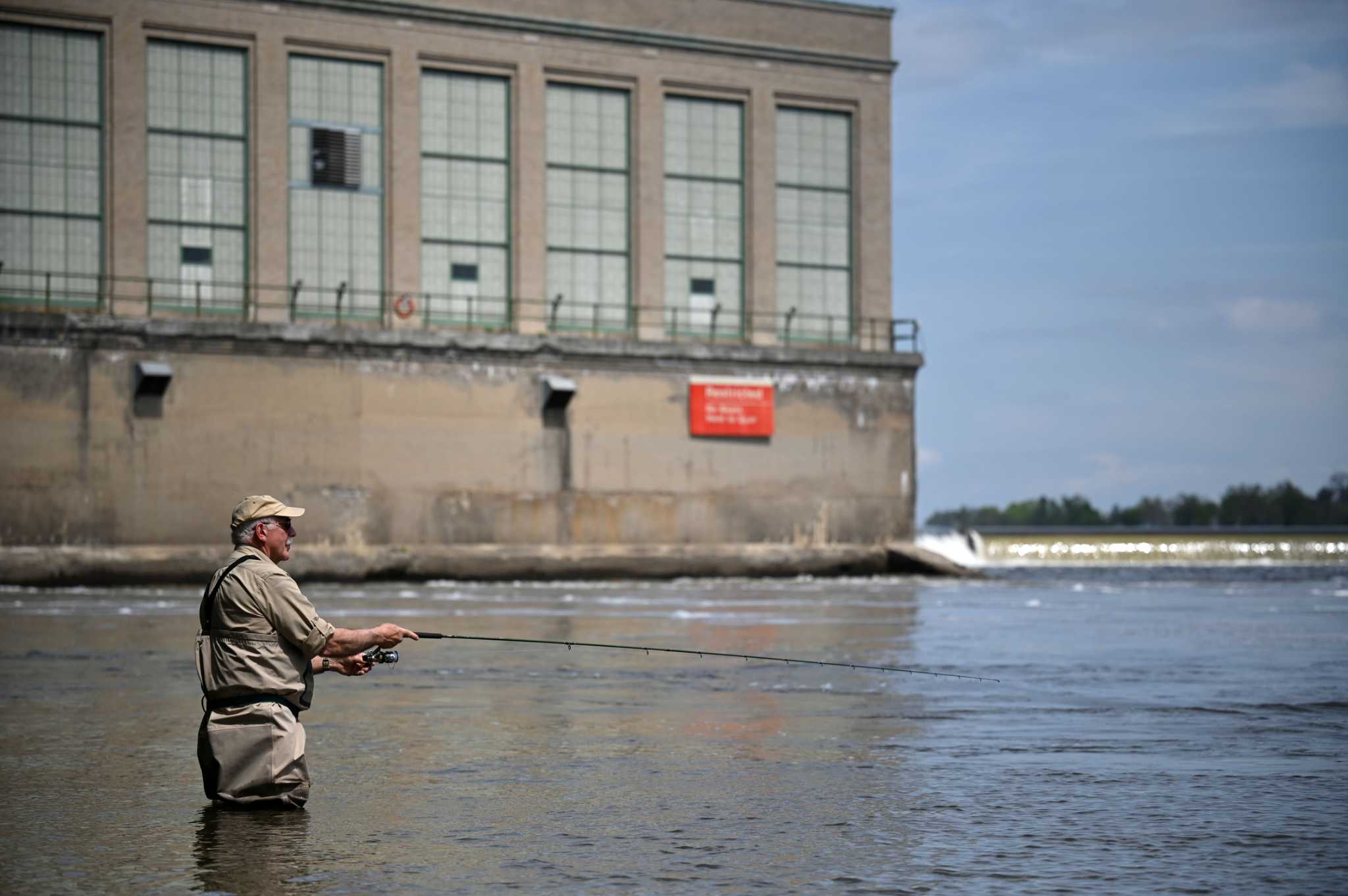
General Electric’s legacy of polychlorinated biphenyl (PCB) contamination in the Hudson River continues to haunt the company, even after a $1.7 billion dredging effort deemed “complete” by the EPA in 2019. Ongoing health advisories, coupled with the financial strength of the now-fragmented GE, raise questions about accountability and the true cost of environmental remediation, impacting regional economies and demanding specialized environmental remediation consulting services.
The Unsettled Account: PCBs and GE’s Fragmented Future
The narrative surrounding GE’s Hudson River cleanup has always been one of technical compliance masking a deeper failure. While GE fulfilled the terms of its agreement with the EPA to dredge a 40-mile stretch of the river, the persistent health advisories – particularly concerning fish consumption – demonstrate the inadequacy of the initial remediation. The image of Gerard Falotico fishing in a PCB-laden Hudson, as reported by the Times Union, is a stark reminder of the enduring consequences. This isn’t simply an environmental issue; it’s a financial liability that continues to ripple through the region.
The situation is further complicated by GE’s 2021 split into three independent publicly traded companies: GE Aerospace, GE HealthCare and GE Vernova. This restructuring, while intended to unlock value, doesn’t absolve the parent company – or its successors – of its environmental obligations. In fact, it potentially complicates the process of assigning responsibility and securing funding for further cleanup efforts. GE Aerospace, for example, reported a robust $9.1 billion operating profit in 2025, as detailed in their latest investor relations report. GE HealthCare followed with a gross profit of $8.3 billion, and GE Vernova reported net income of $4.8 billion. These figures underscore the financial capacity to address the remaining contamination.
The Cost of Inaction: A $11.4 Billion Estimate
Scenic Hudson, a non-profit environmental advocacy group, estimates the total damage caused by GE’s PCB releases at a staggering $11.4 billion, encompassing impacts on drinking water, wildlife, and recreational fishing. A more thorough dredging of the river, extending beyond the initial 40-mile stretch, is estimated to cost around $10.7 billion. These figures aren’t merely abstract numbers; they represent a significant drag on the regional economy and a potential source of future litigation. Businesses reliant on the Hudson River – tourism, fishing, and real estate – are all negatively impacted by the ongoing contamination.
“The idea that GE has ‘completed’ its obligations is frankly insulting to the communities that have lived with this contamination for decades. The financial resources are there to do more, and the moral imperative is clear.” – Eleanor Vance, Portfolio Manager, BlackRock Sustainable Investing, speaking at the 2026 Environmental Finance Forum.
The Legal Landscape and the Role of Specialized Counsel
The legal battles surrounding the Hudson River PCBs are far from over. Ongoing litigation focuses on the extent of GE’s liability and the adequacy of the current cleanup efforts. The complexity of environmental law, coupled with the significant financial stakes, necessitates the involvement of specialized legal counsel. Companies facing similar environmental liabilities are increasingly turning to environmental law firms with expertise in Superfund sites and PCB contamination. These firms can navigate the intricate regulatory landscape, negotiate settlements, and represent clients in litigation.
A Three-Pronged Impact: How the Hudson River Situation Reshapes Industry Standards
The GE-Hudson River saga isn’t an isolated incident. It highlights a broader trend of legacy pollution and the challenges of holding corporations accountable for environmental damage. Here’s how this situation is reshaping industry standards:

- Increased Scrutiny of Environmental, Social, and Governance (ESG) Factors: Investors are increasingly factoring ESG risks into their investment decisions. Companies with a history of environmental violations face higher scrutiny and potentially lower valuations.
- Proactive Environmental Audits: Corporations are conducting more frequent and comprehensive environmental audits to identify and mitigate potential liabilities before they escalate into costly legal battles.
- Demand for Advanced Remediation Technologies: The limitations of traditional dredging techniques are driving demand for innovative remediation technologies, such as bioremediation and chemical oxidation.
The Financial Implications for GE and its Successors
While the financial impact of further cleanup efforts is substantial, it’s crucial to contextualize it within GE’s overall financial position. As previously mentioned, the three successor companies are collectively generating billions in profits. Though, the ongoing liability represents a potential drag on future earnings and could impact shareholder value. The negative publicity surrounding the Hudson River contamination could damage GE’s brand reputation and erode consumer trust. A comprehensive resolution, while costly upfront, could ultimately mitigate these long-term risks.
“We’re seeing a clear trend of companies proactively addressing legacy environmental liabilities to avoid future financial and reputational damage. It’s a matter of risk management, plain and simple.” – David Chen, Managing Director, Goldman Sachs Environmental Markets.
Beyond Dredging: The Need for Long-Term Monitoring and Mitigation
Even if further dredging is undertaken, a complete cleanup of the Hudson River will require long-term monitoring and mitigation efforts. PCBs persist in the environment for decades, and their bioaccumulation in the food chain poses an ongoing threat to human health. This necessitates a sustained commitment to environmental monitoring, fish tissue sampling, and public health advisories. Specialized environmental testing laboratories play a critical role in this process, providing accurate and reliable data to inform decision-making.
The situation with GE and the Hudson River is a cautionary tale. It demonstrates the enduring consequences of corporate environmental negligence and the importance of holding companies accountable for their actions. The financial burden of remediation is significant, but it pales in comparison to the long-term costs of inaction. As investors and policymakers increasingly prioritize sustainability, companies that fail to address their environmental liabilities will face growing pressure – and potentially, significant financial penalties. For businesses navigating complex environmental challenges, partnering with vetted B2B providers in the World Today News Directory is no longer a luxury, but a necessity.