
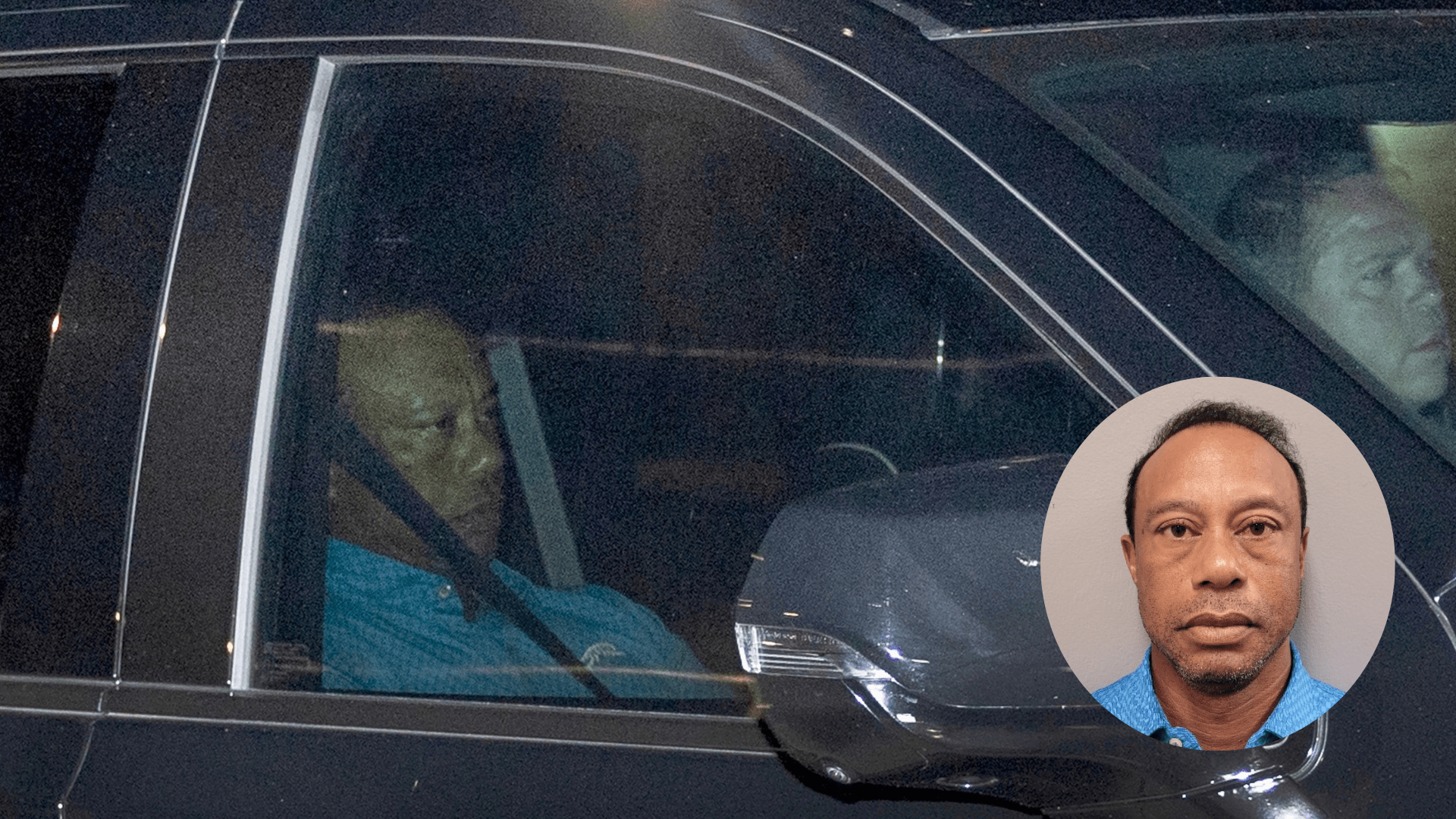
Tiger Woods, the 15-time major champion, was arrested in Jupiter Island, Florida, on March 26, 2026, following a high-speed rollover crash involving a Land Rover. Charged with DUI and property damage despite registering a 0.00 blood alcohol content, the incident triggers immediate scrutiny regarding his endorsement portfolio, contractual morality clauses and the complex legal strategy surrounding his refusal to submit to a urine test.
The optics of a rollover crash are never good, but when the driver is Tiger Woods, the narrative shifts instantly from a traffic violation to a global brand equity crisis. On a quiet stretch of Jupiter Island, the golf legend’s Range Rover clipped a pickup truck before flipping onto its side. While neither party suffered physical injuries, the reputational damage control has already begun. This isn’t just a legal headache; it is a logistical nightmare for the agencies managing the most valuable individual intellectual property in sports history.
The Shift from Alcohol to Impairment: A Legal Pivot
The Martin County Sheriff’s Office confirmed that Woods was not under the influence of alcohol, a critical distinction that alters the trajectory of the defense. However, deputies noted signs of impairment consistent with prescription medication or other substances. The refusal to submit to a urine test creates a evidentiary vacuum, a move that suggests a highly calculated litigation strategy is already in motion. In high-stakes criminal defense, controlling the flow of toxicology data is often the difference between a suspended license and a career-ending conviction.
When a public figure of this magnitude faces charges involving “impairment” without alcohol, the legal defense often pivots to medical necessity or unforeseen reactions to prescribed pain management—a narrative familiar to Woods given his history of spinal surgeries. This complexity requires more than a standard public defender; it demands specialized criminal defense attorneys who understand the intersection of celebrity status, medical privacy, and Florida traffic statutes.
“In the modern media landscape, a DUI arrest involving a global icon isn’t just a legal case; it’s a reputation management emergency. The immediate priority is isolating the narrative before the syndication of negative press impacts long-term backend gross and sponsorship valuations.” — Elena Ross, Senior Partner at Ross & Associates Crisis Management
Contractual Morality Clauses and Sponsorship Risk
The immediate fallout extends beyond the courtroom and into the boardrooms of Nike, TaylorMade, and Rolex. Most elite endorsement deals contain strict morality clauses that allow brands to suspend or terminate contracts if an athlete brings “disrepute” to the company. While Woods has weathered scandals before, the nature of this incident—a vehicle crash involving potential drug impairment—poses a unique threat to his marketability.
Brands are risk-averse. They do not want their logos associated with impaired driving, regardless of the substance involved. The financial exposure here is massive. If the narrative spirals, we could see a temporary suspension of ad campaigns, similar to the SVOD platform delays we saw during the 2023 writers’ strike when talent faced public controversies. The studios and brands involved will likely activate emergency protocols, consulting with crisis communication firms to draft statements that express concern without admitting liability.
The Logistics of High-Profile Defense
Managing the public perception of this arrest requires a multi-pronged approach. The legal team must navigate the discovery process while the PR team manages the social sentiment analysis. In 2026, social media moves faster than the court docket. A single leaked photo or out-of-context quote can tank stock prices for partner companies.

This scenario highlights the necessity for integrated talent management and representation firms that offer holistic protection. It is not enough to have a lawyer; the athlete needs a strategist who understands how to package the human element of the story to mitigate the commercial blowback. The goal is to humanize the incident—framing it as a medical episode rather than a reckless act—while the legal machinery grinds forward.
Industry Implications for Athlete Branding
The Woods incident serves as a stark reminder for the wider sports and entertainment industry regarding the fragility of personal branding. As athletes transition into media moguls and IP owners, their personal conduct becomes directly tied to their business valuation. We are seeing a trend where intellectual property disputes and personal legal troubles are increasingly intertwined.
- Due Diligence: Agencies are likely to tighten vetting processes for new talent, placing heavier emphasis on background checks and psychological evaluations.
- Insurance Premiums: Expect to see a spike in “key person” insurance premiums for athletes with prior legal histories, affecting the production budgets of documentaries and biopics.
- Crisis Retainers: Top-tier talent will increasingly keep legal and compliance retainers on standby, treating reputation management as a standard operational cost rather than an emergency expense.
As the legal proceedings in Martin County unfold, the world will be watching not just for a verdict, but for the survival of the brand. For Woods, the road to recovery is twofold: navigating the Florida justice system and rebuilding the trust of the corporate partners who built his empire. In an era where digital culture amplifies every misstep, the margin for error is non-existent.
For industry professionals navigating similar high-stakes reputational challenges, the solution lies in preparation. Whether it is securing top-tier intellectual property lawyers to protect brand assets or engaging security firms to manage public appearances during a crisis, the directory of vetted professionals is the first line of defense in protecting legacy and livelihood.
Disclaimer: The views and cultural analyses presented in this article are for informational and entertainment purposes only. Information regarding legal disputes or financial data is based on available public records.