
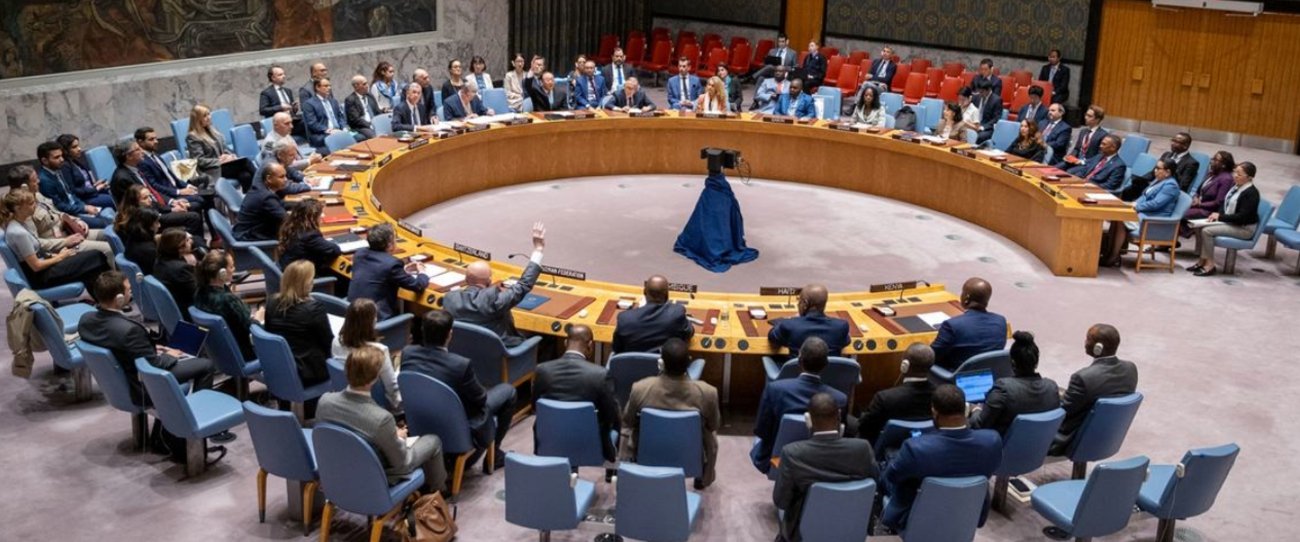
The United States is pivoting from a passive observer to an active architect in the Western Sahara conflict, effectively displacing United Nations frameworks in favor of bilateral pressure. This diplomatic centralization introduces immediate volatility to North African energy corridors and logistics networks, forcing institutional investors to recalibrate sovereign risk models for the Maghreb region before Q2 earnings close.
Wall Street often treats geopolitics as background noise until it hits the supply chain. That luxury is evaporating. The recent intensification of American involvement in the Western Sahara isn’t merely a diplomatic reshuffle; it is a fundamental alteration of the legal landscape governing North African trade. Washington is no longer waiting for UN consensus. By organizing negotiation tracks outside the habitual UN framework, the US is creating a parallel diplomatic reality that bypasses traditional multilateral safeguards.
This shift creates a specific fiscal problem: legal ambiguity. When the UN Security Council’s traditional mandate is partially displaced by unilateral initiatives, the regulatory certainty required for long-term infrastructure investment dissolves. Multinational corporations operating in the region—particularly in renewable energy and phosphate logistics—are suddenly exposed to jurisdictional gray areas. They cannot rely on standard international treaties when the primary arbiters are changing the rules of engagement in real-time.
Smart capital doesn’t panic; it hedges. As the diplomatic framework fractures, the demand for specialized international arbitration counsel is spiking. Companies need legal architectures that can withstand a transition from multilateral consensus to bilateral pressure.
The Three Vectors of Market Disruption
The evolution of US policy introduces three distinct vectors of risk that will define the fiscal trajectory for the remainder of 2026. Understanding these mechanics is critical for any portfolio with exposure to Atlantic-Mediterranean trade routes.
- The Erosion of Multilateral Guarantees: With Washington assuming a more active role in orienting negotiation dynamics, the stabilizing influence of the UN is waning. This removes the “soft power” buffer that previously protected foreign direct investment (FDI) from sudden political shocks. Investors are now pricing in a higher geopolitical premium for assets in the region.
- Redefinition of Non-State Actors: Proposals emerging from US political sectors seek to redefine the role of the Polisario Front, specifically linking them to broader counter-terrorism narratives. This rhetorical shift alters the security calculus. It transforms a territorial dispute into a potential security liability, necessitating immediate reviews of political risk insurance policies for assets in contested zones.
- Centralization of Diplomatic Leverage: Meetings are increasingly occurring in spaces linked to US diplomacy rather than neutral UN grounds. This centralization concentrates risk. If US domestic politics shift, the entire negotiation framework could collapse overnight, leaving commercial partners without a dispute resolution mechanism.
The market reaction to this uncertainty is already visible in the cost of capital for regional projects. Lenders are tightening covenants. The days of cheap debt for Maghreb infrastructure are pausing until the novel diplomatic equilibrium stabilizes.
“We are seeing a decoupling of diplomatic process from commercial certainty. When the UN framework is sidelined, the legal recourse for international businesses becomes fragmented. Our clients are moving from ‘growth mode’ to ‘asset protection mode’ immediately.”
— Elena Rossi, Chief Strategist, Global Macro Fund
This quote from Rossi highlights the institutional shift. It is not about stopping business; it is about securing the perimeter. The reconfiguration of the process is not just a diplomatic issue; it is a juridical and political one with direct consequences on the nature of any eventual solution. And until that solution is codified, the risk remains on the balance sheet.
Navigating the New Jurisdictional Reality
The implication is clear: the traditional equilibrium between involved parties is being questioned. International dynamics are playing a determinative role, overriding local precedents. For the corporate sector, this means the “status quo” is no longer a viable strategy. The growing protagonism of the United States reflects a broader trend where global superpowers are reclaiming agency from international bodies, creating a more volatile, transaction-based global order.

Businesses must adapt to this “transactional diplomacy.” The risk of altering the traditional balance between parties introduces the potential for sudden regulatory changes. A deal signed under a UN mandate might not hold the same weight under a US-brokered accord. This discrepancy creates a fertile ground for litigation and contract disputes.
the role of crisis management and strategic advisory firms becomes paramount. These entities do not just manage PR; they navigate the intersection of policy and profit. They help corporations interpret the signals from Washington before they become official policy, allowing for preemptive restructuring of supply chains and legal holdings.
The fiscal quarters ahead will be defined by how quickly companies can pivot from relying on international norms to managing bilateral realities. The window for passive investment in this region is closing. Active management of political risk is now a core competency, not a niche service.
As the dust settles on this new phase of negotiation, one thing remains certain: the market demands clarity. For those seeking to fortify their positions against these shifting tides, the World Today News Directory offers a curated list of vetted B2B partners capable of navigating this complex intersection of law, policy, and finance. Do not wait for the next Security Council report to assess your exposure. Secure your advisory partners now.