
The Cloud Egress Trap: Why Local Storage Architecture Matters in 2026
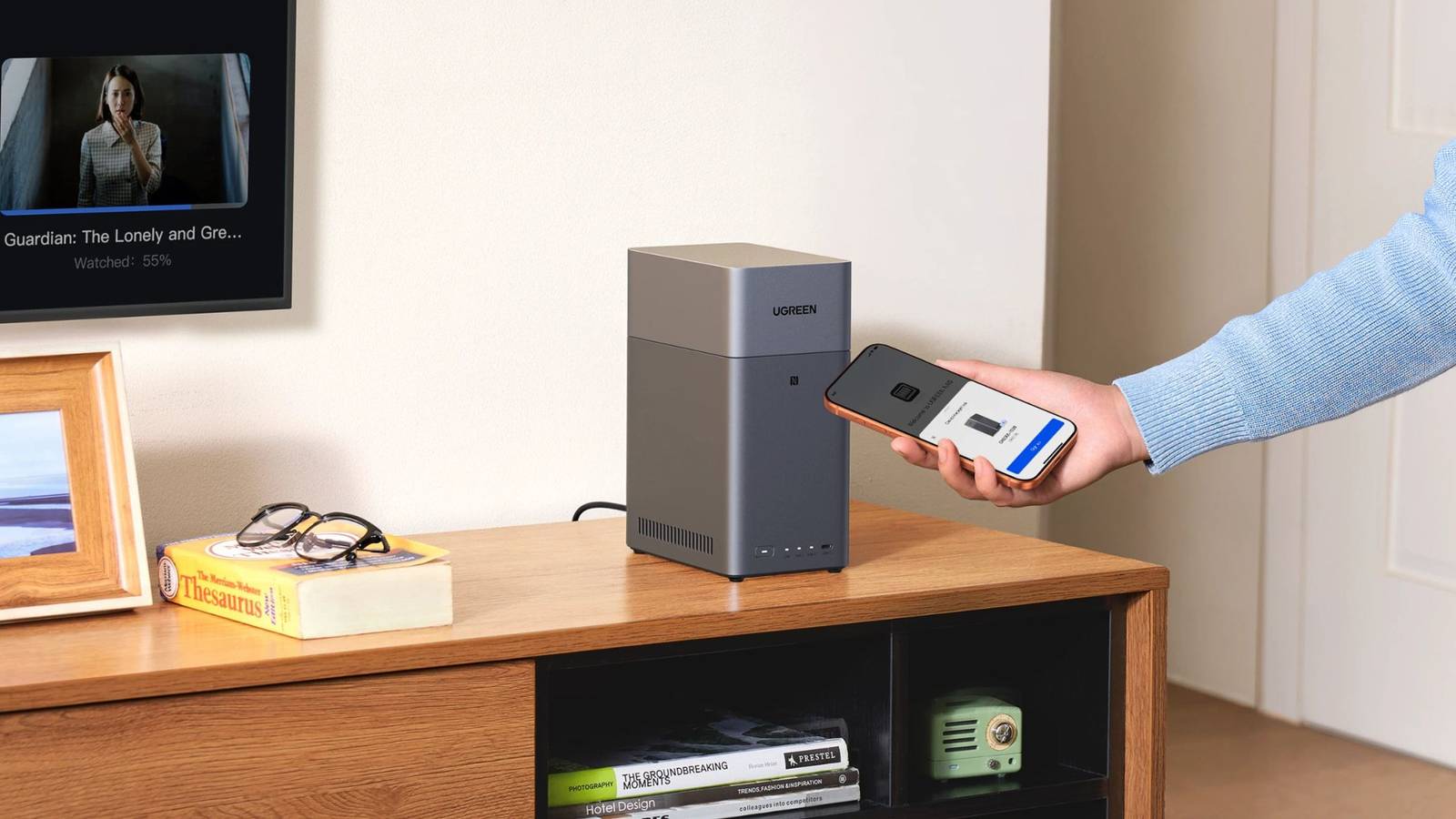
Cloud storage convenience masks a brutal economic reality: recurring egress fees and latency bottlenecks are bleeding enterprise and prosumer budgets dry. As data gravity increases, the architectural shift back to local Network Attached Storage (NAS) isn’t nostalgia; it’s a cost-optimization strategy. The Ugreen NAS DH2300, currently discounted to $176, represents a viable node in this decentralized topology, but deploying it requires rigorous security hardening.
The Tech TL;DR:
- CapEx vs. OpEx: Shifting to NAS eliminates monthly subscription creep, converting ongoing operational expense into one-time capital expenditure with a typical ROI period of 14 months for 4TB+ workflows.
- Latency & Throughput: Local Gigabit Ethernet offers consistent sub-millisecond access times compared to variable WAN latency, critical for local video editing and large dataset manipulation.
- Security Responsibility: Moving data on-premises transfers the security perimeter from the cloud provider to the user, necessitating strict firewall rules and regular vulnerability assessments.
Dependency on hyperscale cloud providers introduces single points of failure and unpredictable API rate limiting. When you host your own data, you control the IOPS. The Ugreen DH2300 utilizes a ARM-based SoC, which offers sufficient throughput for file serving and media transcoding without the thermal overhead of x86 equivalents. However, ARM architectures often lack the instruction set extensions required for heavy-duty encryption offloading, meaning AES-256 volume encryption may incur a CPU penalty during high-load write operations.
Security posture becomes the primary differentiator between a useful tool and a compromised botnet node. Exposing a NAS directly to the public internet without a reverse proxy or VPN tunnel is architectural negligence. The current hiring landscape reflects this tension; major entities like Microsoft AI and Visa are aggressively recruiting senior security leadership to manage AI and data risks. If Fortune 500 companies are prioritizing security directors, home lab administrators must adopt similar rigor.
Hardware Specification Breakdown
Choosing the right hardware requires analyzing the bottleneck. Is it network throughput, disk I/O, or CPU transcoding power? The following table compares the typical entry-level NAS profile against standard cloud tiers.
| Metric | Ugreen DH2300 (Local) | Standard Cloud Tier (WAN) | Impact |
|---|---|---|---|
| Access Latency | <1ms (LAN) | 20-100ms (WAN) | Local editing feasible |
| Monthly Cost | $0 (Post-Hardware) | $10-$50+ | Long-term savings |
| Encryption | Software-based (CPU) | Hardware-accelerated | Higher local CPU load |
| Data Sovereignty | Full Control | Provider Dependent | Compliance advantage |
Deployment isn’t plug-and-play for secure environments. You must isolate the management interface from the public web. This often requires engaging cybersecurity consulting firms to audit your home network segmentation, even for personal infrastructure. The scope of cybersecurity audit services typically covers port exposure and authentication protocols, which are critical when running a publicly accessible file server.
“The shift to edge storage reduces latency but expands the attack surface. Without proper network segmentation, a compromised NAS becomes a lateral movement pivot point for attackers targeting your primary workstations.” — Senior Infrastructure Architect, Cloud Migration Specialist
Implementing secure access requires more than just a username and password. Consider enforce key-based SSH authentication and disable root login. For containerized applications running on the NAS, resource limits prevent runaway processes from starving the system. Below is a standard Docker Compose snippet for deploying a secure file synchronization service with resource constraints.
version: '3.8' services: syncthing: image: syncthing/syncthing:latest container_name: syncthing hostname: nas-storage-node environment: - PUID=1000 - PGID=1000 volumes: - ./config:/config - ./data:/data ports: - 8384:8384 - 22000:22000/tcp - 22000:22000/udp - 21027:21027/udp restart: unless-stopped deploy: resources: limits: cpus: '1.5' memory: 1G This configuration ensures the synchronization service cannot consume all available CPU cycles, preserving system stability for other tasks like media transcoding or backup jobs. However, software configuration is only half the battle. Physical security and drive health monitoring are equally vital. Organizations often rely on cybersecurity risk assessment and management services to establish protocols for data redundancy and disaster recovery. While a home user might not need a full enterprise risk framework, adopting the principle of 3-2-1 backup (three copies, two media types, one offsite) is non-negotiable.
The Verdict on Local Storage Sovereignty
The Ugreen DH2300 at $176 is a competitive entry point for those willing to manage their own infrastructure. It solves the cost bottleneck of cloud subscriptions but introduces a management overhead that cannot be ignored. For enterprises scaling similar architectures, partnering with managed service providers ensures that monitoring and patching remain consistent. The technology is mature, but the operational discipline required to secure it is where most deployments fail.
Data sovereignty is the future of efficient computing. As bandwidth costs rise and privacy regulations tighten, local storage clusters will become standard architecture rather than niche hobbies. The question isn’t whether you can afford the hardware, but whether you can afford the security posture required to run it.
Disclaimer: The technical analyses and security protocols detailed in this article are for informational purposes only. Always consult with certified IT and cybersecurity professionals before altering enterprise networks or handling sensitive data.