
The independent gaming sector faces a critical liquidity crisis as celebrated studios like Ivy Road shutter despite critical acclaim. Concurrent layoffs at Epic Games and corporate restructuring at Disney signal a capital contraction. Survival now depends on strategic IP valuation and specialized funding partnerships rather than creative merit alone.
The Myth of the Indie Savior
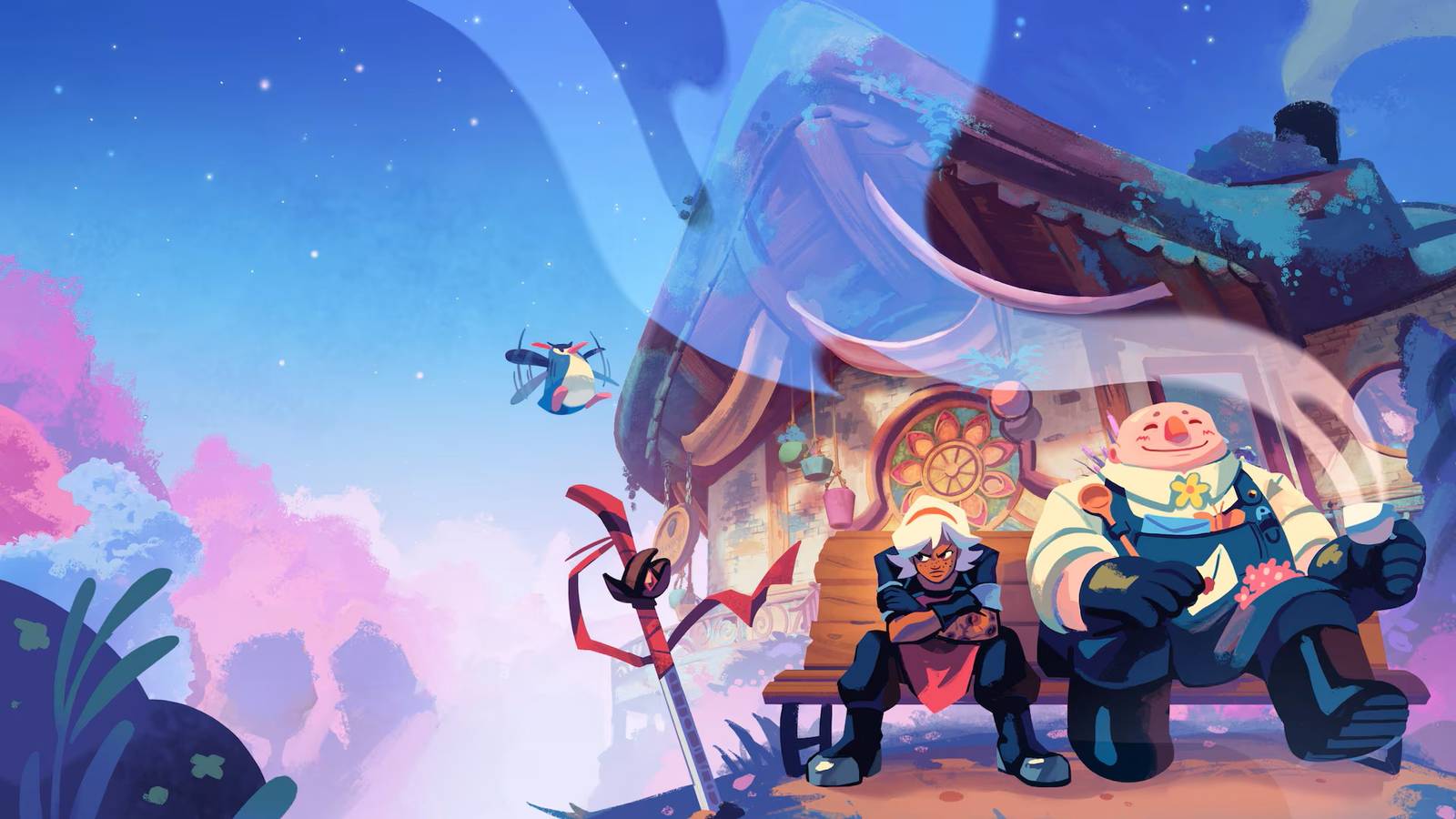
The narrative that independent studios serve as the innovative lifeblood of the gaming industry collapses when the ledger remains unbalanced. Ivy Road, founded by The Stanley Parable‘s Davey Wreden, recently announced its closure effective March 31. This decision arrives despite their title Wanderstop securing a Games for Impact nomination at The Game Awards 2025. Critical success no longer insulates developers from the harsh realities of venture capital withdrawal. The studio’s attempted pivot to Engine Angel, an action concept involving vehicular combat, failed to secure necessary financing. Liz Caingcoy of Ivy Road noted the disconnect between creative vision and financial viability, stating, “It’s a particularly tough time for raising game funds, so while we weren’t necessarily surprised, we are disappointed that we won’t be able to bring Engine Angel to life together as a team.”
This closure is not an isolated incident but a symptom of a broader market correction. While major conglomerates streamline operations, smaller entities lack the backend gross reserves to weather development delays. The U.S. Bureau of Labor Statistics highlights the intense occupational requirements for arts and media roles, noting the high skill threshold without corresponding job security guarantees. When a studio cannot meet payroll, the intellectual property often languishes or is sold off in distress sales. This creates a vacuum where only projects with pre-existing brand equity survive. The industry requires more than just talent. it demands robust financial scaffolding.
Corporate Consolidation vs. Independent Fragility
Contrast the fragility of Ivy Road with the maneuvering of legacy media giants. Dana Walden, incoming President and Chief Creative Officer of The Walt Disney Company, recently unveiled a fresh leadership team spanning film, TV, streaming, and games. Debra OConnell’s elevation to DET Chairman signals a consolidation of power designed to protect established franchises. Per the announcement via Deadline, this restructuring aims to unify creative oversight across divisions. Such moves protect billions in existing IP but often choke off oxygen for external innovators. When capital flows upward toward protected franchises, the risk tolerance for experimental gameplay diminishes. Epic Games laying off over 1,000 developers further validates this contraction. The market is correcting toward safety, leaving niche concepts vulnerable.
Developers facing this landscape must treat their studios as businesses first and creative collectives second. The transition from prototype to production requires legal and financial fortification that many creatives overlook. Without proper intellectual property legal counsel, indie studios risk losing ownership rights during desperate funding negotiations. The problem is not a lack of ideas but a lack of structured deal-making. As the summer box office cools and streaming subscribers plateau, investors seek guaranteed returns. Indie games must prove their monetization potential before a single line of code is written.
Three Structural Shifts Impacting Production
The funding drought forces a reevaluation of how independent projects are packaged and sold. Production entities must adapt to survive the current fiscal year. The following shifts define the new operational reality for mid-sized studios:

- IP Valuation Over Prototypes: Investors now require proof of brand longevity rather than vertical slices. Studios must demonstrate potential for syndication and merchandising before greenlighting development. This shifts the burden to early-stage brand strategy consultants who can articulate long-term value.
- Hybrid Funding Models: Reliance on single publishers is obsolete. Successful teams are blending crowdfunding, equity investment, and government grants. This complex capital stack requires forensic accounting to ensure compliance across jurisdictions.
- Crisis Management Readiness: Public perception impacts funding rounds. A studio’s reputation must be managed as aggressively as its burn rate. Engaging crisis communication firms early ensures that layoffs or delays do not trigger investor panic.
Industry analysts speaking to Variety have noted that the 2025-2026 cycle favors projects with transmedia potential. A game is no longer just a product; it is a content hub for potential adaptation. This raises the stakes for The Hollywood Reporter tracked deals where gaming IP crosses into film and television. The barrier to entry has risen, demanding professionalization of the development process. Creatives must partner with entities that understand the intersection of entertainment law and digital distribution.
The Path Forward for Digital Culture
Preserving the artistic integrity of the medium requires a systemic change in how capital is deployed. We cannot rely on the benevolence of publishers who prioritize quarterly earnings over cultural impact. The closure of Ivy Road is a warning sign that quality does not equal solvency. To build a sustainable future, the industry must support infrastructure that bridges the gap between creative vision and financial reality. This involves leveraging specialized directories to find vetted professionals who understand the unique pressures of game development. Whether securing venture capital firms specializing in interactive media or retaining talent agents who negotiate favorable royalty structures, the solution lies in professionalization.
The next generation of hit titles will not come from garages alone but from studios equipped to navigate the business of entertainment. As we move past the holiday season and into the new fiscal quarter, the distinction between hobbyists and professionals will sharpen. Those who survive will be the ones who treat their art as a asset class worthy of protection and strategic growth. The medium deserves nothing less than a robust economic framework to support its ambition.
*Disclaimer: The views and cultural analyses presented in this article are for informational and entertainment purposes only. Information regarding legal disputes or financial data is based on available public records.*