
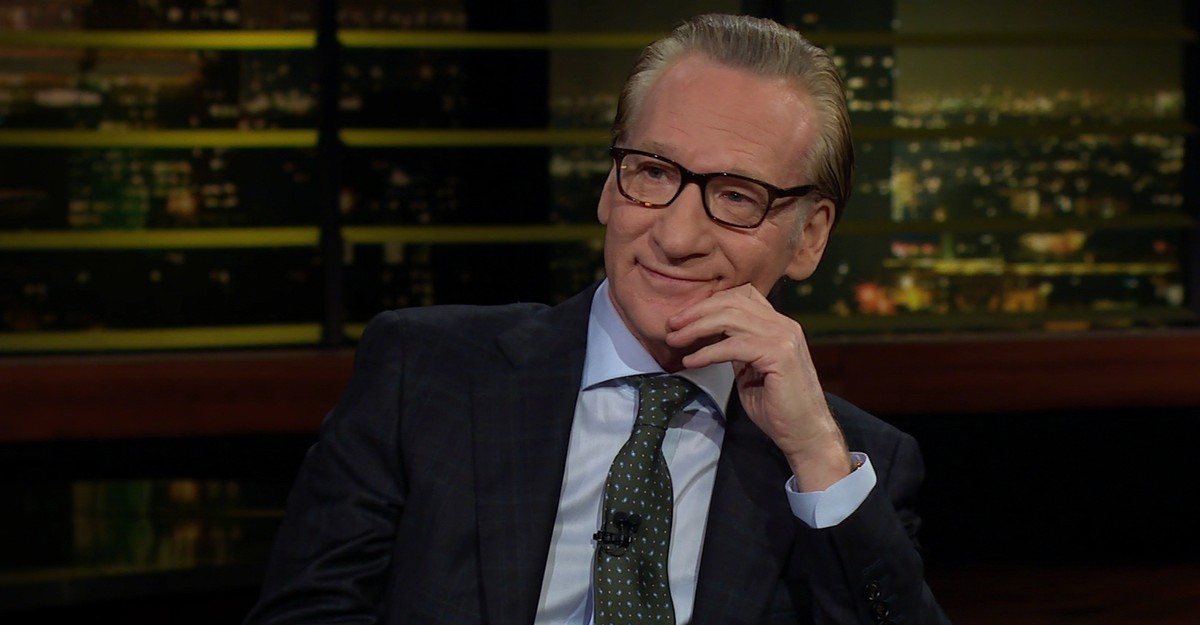
Bill Maher Confirmed for Mark Twain Prize Amidst White House Friction
Bill Maher has been officially confirmed as the 2026 recipient of the Mark Twain Prize for American Humor at the Kennedy Center, following a volatile diplomatic standoff with the Trump White House. Despite initial statements from Press Secretary Karoline Leavitt denying the award, the Center proceeded with the announcement, underscoring the friction between political stewardship and cultural autonomy in Washington, D.C.
The John F. Kennedy Center for the Performing Arts has always been a monument to American culture, but in 2026, it has effectively turn into an extension of the executive branch’s brand equity. For thirteen months, President Trump has operated not just as the Chairman, but as the de facto curator of the institution. This consolidation of power creates a unique logistical and reputational problem: how does a venue maintain its status as a premier cultural hub when its leadership actively alienates the very talent pool required to fill its seats? The recent saga surrounding Bill Maher’s Mark Twain Prize is the perfect case study in this new, high-stakes environment.
When news broke that Maher was the selection, the White House reaction was immediate, and kinetic. Press Secretary Karoline Leavitt labeled the reports “fake news,” and Communications Director Steven Cheung echoed the sentiment on X. Yet, within days, the Kennedy Center announced Maher as the recipient regardless. This reversal suggests a significant breakdown in internal communications or a calculated strategic pivot. In the corporate world, when a brand faces this level of public contradiction between its leadership and its operational arms, the immediate recourse is to deploy elite crisis communication firms and reputation managers to harmonize the narrative. The silence from the Center’s PR team during the interim suggests they were navigating a minefield of political optics, balancing the President’s desire for control against the necessity of maintaining the prize’s prestige.
The selection of Maher is a fascinating anomaly in the Trump era. Unlike the “radical-left lunatics” the President has publicly disparaged in leaked audio from board meetings, Maher occupies a unique lane in the comedy ecosystem. He critiques liberal pieties with the same fervor he attacks conservative incompetence. From a business perspective, Maher represents a safe harbor for a administration that claims to be anti-elite while simultaneously craving elite validation. However, the friction remains palpable. The President’s history with Maher is venomous, yet the two share a transactional respect. This dynamic is less about art and more about the strategic management of cultural capital.
“The Kennedy Center is no longer just a venue; it is a political asset. Managing the talent relations here requires a level of diplomatic finesse usually reserved for state dinners, not comedy galas.”
The broader implication of this stewardship is the erosion of the Center’s neutrality, which has tangible financial consequences. We are already seeing the exodus of major acts. The New York City Ballet recently canceled a six-indicate run, a move that impacts not just ticket sales but the venue’s long-term syndication and touring viability. When top-tier talent dissociates from a venue due to political alignment, the institution suffers a degradation of brand value that can grab decades to repair. This isn’t just about hurt feelings; it is about the bottom line. A venue that cannot secure A-list talent must pivot its programming strategy, often relying on populist acts or state-sponsored events to fill the void.
For the upcoming ceremony, which will be streamed on Netflix, the security and logistical requirements will be unprecedented. The intersection of a polarizing political figurehead and a comedian known for his unfiltered monologue creates a volatile atmosphere. The production team is undoubtedly coordinating with specialized regional event security and A/V production vendors capable of handling high-profile political figures alongside entertainment talent. The margin for error is non-existent; a single heckle or a technical glitch during a politically charged joke could spiral into a national incident.
On his HBO show Real Time, Maher addressed the controversy with his characteristic blend of cynicism and showmanship. “We have reached a compromise,” Maher told his audience. “I am going to get it, and then I am going to offer it to him. Everybody’s happy.” This quip highlights the absurdity of the situation. The “compromise” is a performative act, a way to save face for all parties involved. It acknowledges the President’s power while asserting the comedian’s independence. It is a delicate dance, one that requires the kind of nuanced entertainment law and intellectual property oversight to ensure that the broadcast rights and liability waivers cover every potential contingency of a live political comedy event.
the Maher incident reveals that while the Trump administration seeks to imprint its identity on the Kennedy Center, it cannot fully censor the cultural conversation without destroying the institution’s value. The President may control the board meetings and the marble armrests, but he cannot control the punchline. The arts have a way of infiltrating even the most rigid structures. As we move deeper into 2026, the question remains whether the Kennedy Center can survive as a functioning arts complex or if it will devolve entirely into a propaganda arm of the White House. For now, the show goes on, but the curtain is heavier than ever.
For industry professionals navigating this shifting landscape of political patronage and cultural boycotts, the need for specialized legal and PR counsel has never been greater. Whether managing the fallout of a canceled gala or negotiating the rights for a politically charged broadcast, the World Today News Directory connects you with the vetted experts required to protect your brand in this new era of entertainment.
Disclaimer: The views and cultural analyses presented in this article are for informational and entertainment purposes only. Information regarding legal disputes or financial data is based on available public records.