
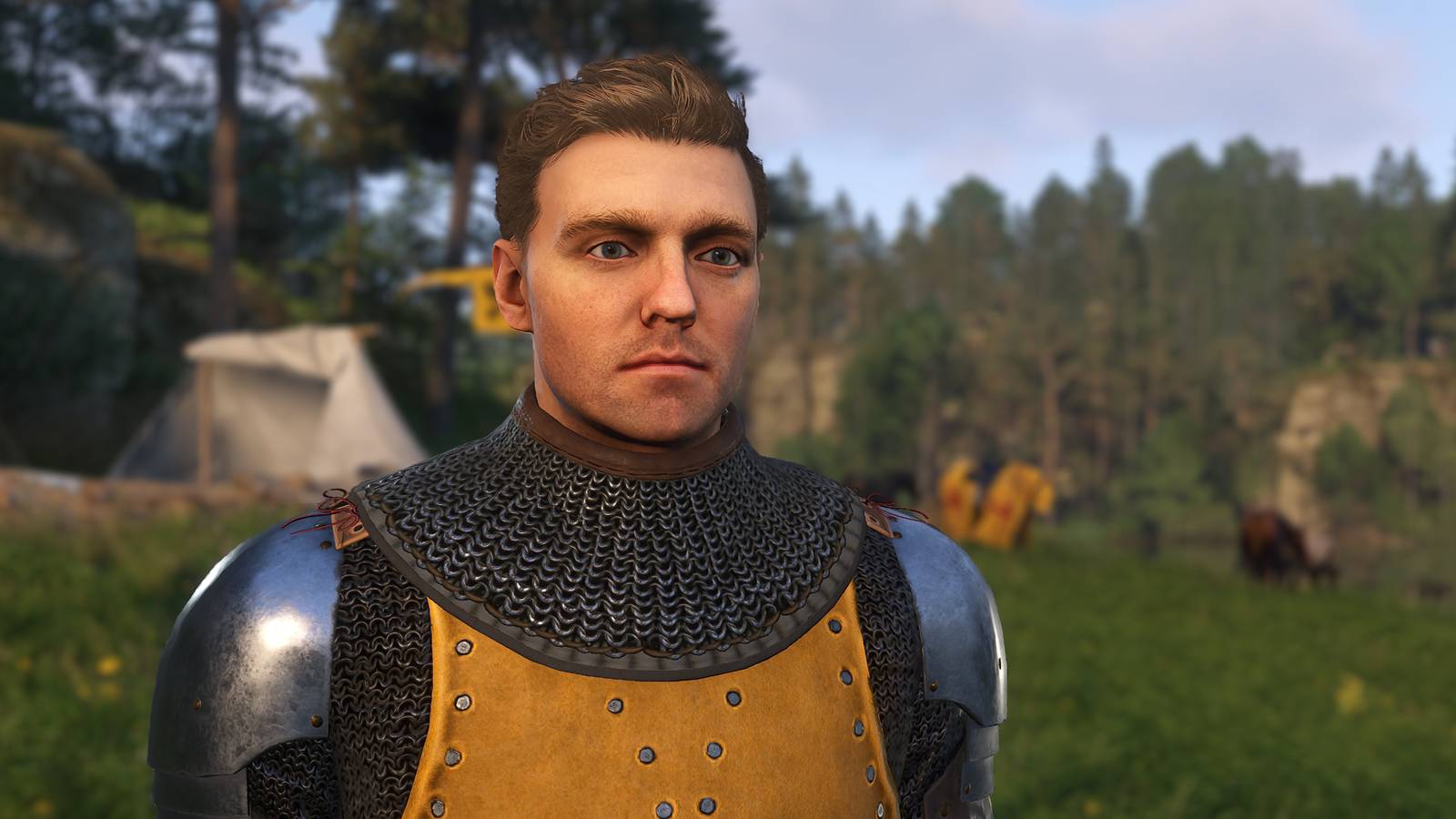
Warhorse Studios, the Czech developer behind the hit RPG Kingdom Come: Deliverance 2, has reportedly terminated a key localization specialist to replace him with generative AI. The move, confirmed by the dismissed employee Max Hejtmánek on March 27, 2026, highlights a growing friction between cost-cutting algorithms and the nuanced art of cultural adaptation in high-budget gaming.
The gaming industry is currently navigating a precarious tightrope walk between technological innovation and artistic integrity. Just as the dust settles on a successful awards season where Kingdom Come: Deliverance 2 secured nominations for Best Narrative and Game of the Year, a new controversy has erupted in Prague. Max Hejtmánek, a Czech-to-English translator and editor who spent nearly four years with the studio, took to Reddit to announce his abrupt termination. His crime? Insisting on the necessity of human nuance in a market increasingly seduced by the false economy of artificial intelligence.
Hejtmánek’s departure marks a significant escalation in the 2026 labor discourse. In a statement that reads less like a standard HR exit interview and more like a warning shot across the bow of the creative sector, he detailed a meeting where management cited “effectiveness” and “financial savings” as the drivers for his redundancy. The studio intends to outsource all future localization, including dialogue, quest logs, and marketing materials, to AI models. This decision ignores a fundamental truth of the entertainment business: localization is not merely translation; it is cultural transposition. An algorithm can translate words, but it cannot translate the soul of a Bohemian peasant or the grit of a medieval mercenary without flattening the experience into generic, sterile prose.
The Brand Equity Risk of Algorithmic Storytelling
When a studio decides to automate the voice of its characters, it isn’t just saving on payroll; it is gambling with its brand equity. Kingdom Come: Deliverance 2 built its reputation on historical authenticity and immersive storytelling. Replacing the human architects of that immersion with a large language model invites a specific type of consumer backlash that no amount of marketing spend can easily fix. We have seen this play out recently with titles like Crimson Desert, which faced immediate derision for utilizing generative AI for in-game art assets, proving that modern audiences are hyper-vigilant regarding the provenance of their entertainment.
Here’s where the disconnect between C-suite accounting and creative reality becomes dangerous. When a brand deals with this level of public fallout, standard statements don’t work. The studio’s immediate move should be to deploy elite crisis communication firms and reputation managers to stop the bleeding before the narrative calcifies into a boycott movement. Silence from Warhorse Studios and publisher Plaion thus far suggests a lack of preparedness for the reputational damage inherent in replacing human creativity with code.
The financial stakes are higher than a single employee’s salary. Kingdom Come: Deliverance 2 was a critical darling, nominated for major accolades at The Game Awards 2025. According to industry analytics from Variety, games with strong narrative components rely heavily on word-of-mouth marketing to sustain long-tail sales beyond the launch window. Alienating the core fanbase—who value the “human touch” in RPGs—could severely impact the backend gross and DLC adoption rates.
Legal Precedents and the Labor Landscape
Beyond the PR nightmare, there is a looming legal quagmire. The entertainment and gaming sectors are currently witnessing a surge in litigation regarding intellectual property and labor rights surrounding AI. While the Writers Guild of America (WGA) and SAG-AFTRA have secured protections for film and television, the gaming industry remains a wild west of contractual ambiguity. However, that does not mean studios are immune to liability.

“The industry is moving too prompt for the law, but that doesn’t mean companies are safe. We are seeing a rise in disputes regarding moral rights and the integrity of the work. Replacing a specialized translator with a generic model opens the door to quality control lawsuits and potential breach of contract if the AI hallucinates lore or infringes on existing IP.”
This sentiment echoes warnings from entertainment attorneys tracked by The Hollywood Reporter. As studios rush to integrate AI, they often fail to vet the training data of the models they employ, risking copyright infringement claims that could freeze assets and halt production. For a studio like Warhorse, navigating this requires more than just IT support; it demands specialized intellectual property lawyers who understand the intersection of software licensing and creative labor law.
The Three Pillars of Localization Risk
The decision to pivot to AI localization introduces three distinct vectors of risk that every producer and studio head must evaluate before signing off on a budget cut:

- Cultural Dilution: AI models are trained on aggregate data, leading to a homogenization of voice. In a game reliant on historical dialect and specific regional humor, this results in a product that feels “off” to native speakers, destroying immersion.
- Contextual Hallucination: Generative AI is prone to inventing facts. In a narrative-driven RPG, an AI might hallucinate a quest objective or alter a character’s motivation, creating bugs that are narrative in nature rather than technical, which are notoriously difficult to patch.
- Community Alienation: The modern gamer is politically and ethically engaged. Per data from Polygon, titles associated with anti-labor AI practices see a measurable dip in user review scores and community engagement on platforms like Steam and Reddit.
The irony of Warhorse’s decision is palpable. The studio recently defended Nvidia’s DLSS 5 AI technology, framing it as a tool for enhancement. However, there is a distinct line between using AI to upscale pixels and using it to replace the human voice. One optimizes the image; the other erases the artist. As the industry moves further into 2026, the companies that thrive will not be those that cut the most corners, but those that understand that in the experience economy, authenticity is the only currency that holds its value.
For studios navigating this transition, the path forward requires a holistic strategy. It is not enough to simply install the software. Executives must engage with talent agencies and management firms that specialize in hybrid workflows, ensuring that AI serves as a tool for the artist rather than a replacement for them. The story of Max Hejtmánek is not just a tragedy for one translator; it is a case study for the entire directory of media professionals on how not to manage the future of creativity.
Disclaimer: The views and cultural analyses presented in this article are for informational and entertainment purposes only. Information regarding legal disputes or financial data is based on available public records.