6 Foods to Avoid Cholesterol Naturally: Fiber-Rich Options and Cardiologist Insights
High-fiber dietary interventions can reduce the endogenous production of cholesterol and facilitate the elimination of toxins, according to cardiologists cited by Primera Hora and EL TIEMPO.
- Soluble fiber acts as a biological sponge, binding cholesterol in the digestive system to prevent its entry into the bloodstream.
- Dietary changes serve as a primary preventative measure but do not replace pharmacological interventions for high-risk patients.
- Six specific fiber-rich foods are identified as critical tools for regulating lipid profiles and systemic detoxification.
The pathogenesis of hypercholesterolemia often involves a combination of genetic predisposition and dietary triggers. According to reports from El Diario NY, the common perception of cholesterol as simply “good” or “bad” is an oversimplification; rather, it is the regulation and balance of these lipoproteins that determine cardiovascular morbidity.
For patients, dietary adjustments are the first line of defense. However, when lipid levels remain refractory to lifestyle changes, it is critical to consult with cardiologists to determine if statin therapy or other lipid-lowering agents are clinically indicated.
The Biological Mechanism of Soluble Fiber in Lipid Reduction
The efficacy of fiber-rich foods in managing cholesterol lies in the mechanism of soluble fiber. According to the clinical perspective shared via EL TIEMPO, these fibers create a gel-like substance in the gut that binds to bile acids—which are made of cholesterol—and carries them out of the body as waste. To replace these lost bile acids, the liver must pull LDL cholesterol from the blood, effectively lowering circulating levels.

Six Essential Foods for Cholesterol Regulation
Cardiologists cited in the Primera Hora and La Nación reports highlight six specific food groups that inhibit the body’s overproduction of cholesterol and assist in toxin removal:
- Oats and Barley: Rich in beta-glucan, which forms a thick gel in the digestive tract.
- Legumes (Lentils, Chickpeas): Provide a dense source of soluble fiber and plant-based protein.
- Apples and Citrus Fruits: High in pectin, a soluble fiber that lowers LDL.
- Avocados: Contain monounsaturated fats and fiber that improve the lipid profile.
- Nuts (Almonds, Walnuts): Provide omega-3 fatty acids and fiber to reduce inflammation.
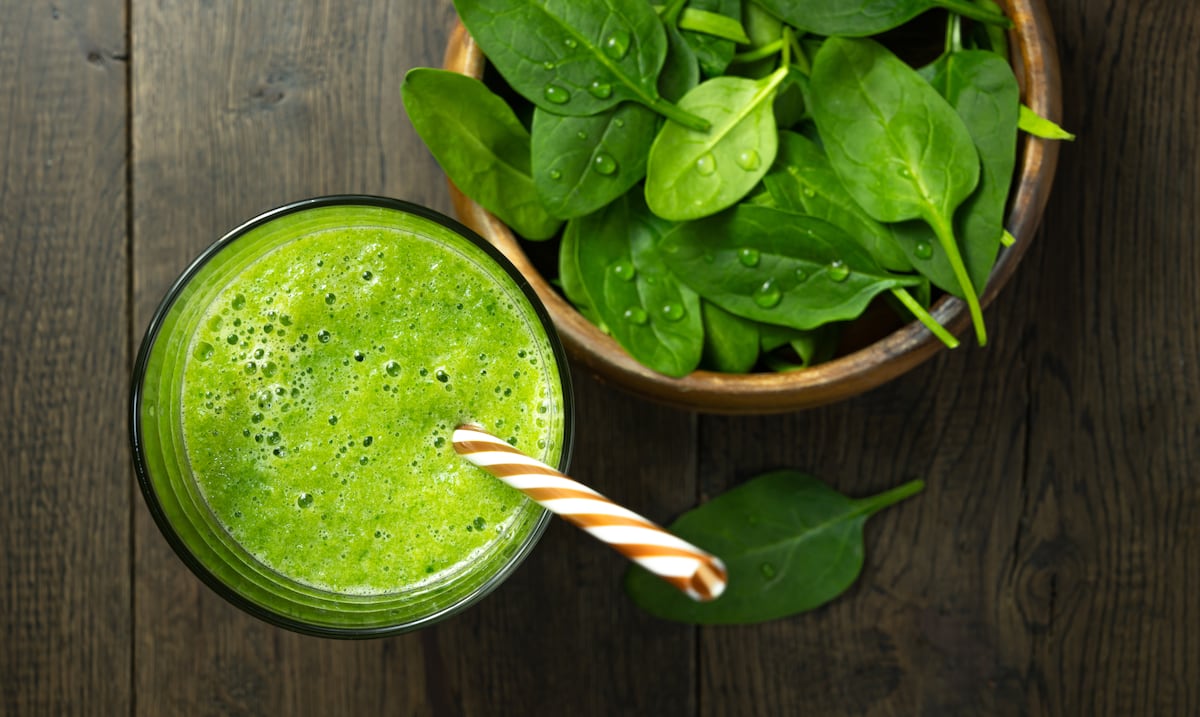
- Leafy Greens: Assist in the elimination of toxins and provide essential antioxidants.
The Interplay Between Diet and Pharmacological Intervention
Jorge Tartaglione, a cardiologist quoted by La Nación, asserts: “No hay duda de que los medicamentos para el colesterol son buenos y salvan vidas.” This underscores the medical consensus that while diet is foundational, it cannot always override genetic factors or advanced plaque buildup.
The standard of care typically follows a tiered approach: therapeutic lifestyle changes first, followed by pharmacological intervention if the target LDL levels are not met.
Future Trajectory of Lipid Management
The integration of high-fiber diets remains the most accessible and lowest-risk strategy for the general population to maintain arterial health and reduce the systemic production of excess cholesterol.
Disclaimer: The information provided in this article is for educational and scientific communication purposes only and does not constitute medical advice. Always consult with a qualified healthcare provider regarding any medical condition, diagnosis, or treatment plan.