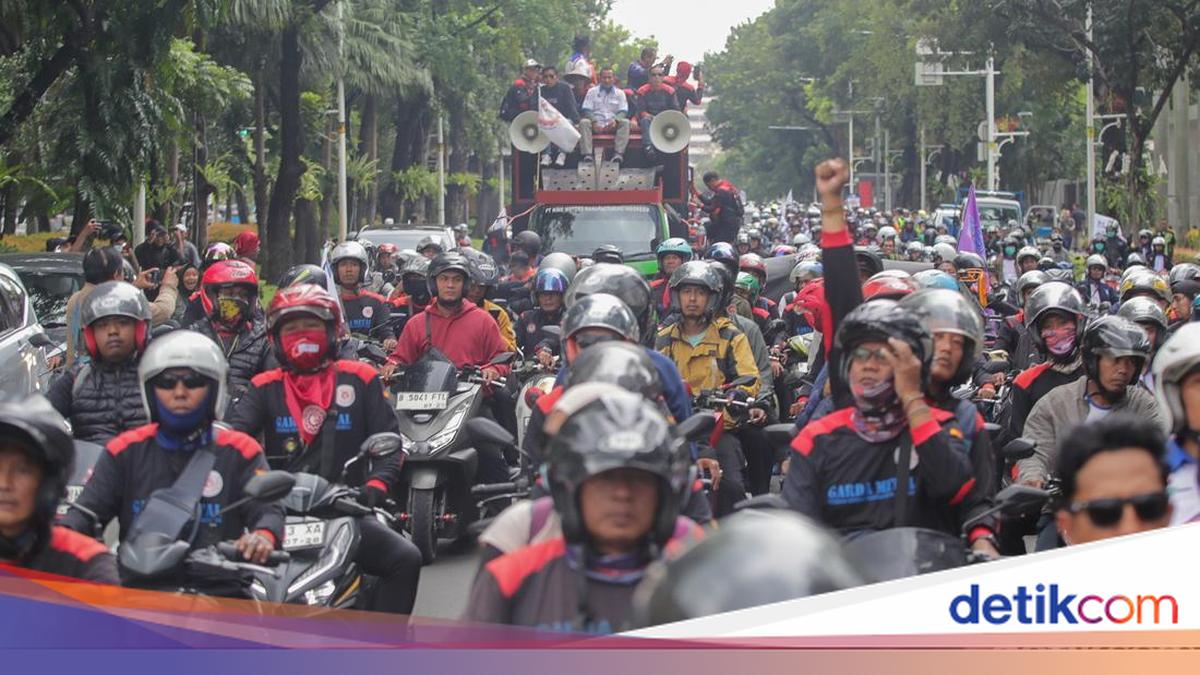
50,000 Indonesian Workers to Protest Across 30 Regions Over Labor Bill Concerns
On September 10, 2026, an estimated 50,000 workers from the Koalisi Besar Perjuangan Buruh Indonesia (KBPBI) plan to stage widespread demonstrations across 30 municipal and provincial regions in Indonesia. According to reports from Kompas, the coordinated protests target draft labor legislation that unions argue preserves elements of the controversial Omnibus Law, threatening workers’ job security and wage structures.
Core Grievances and the 11-Point Union Platform
Labor organizations converged on a definitive list of 11 demands ahead of Thursday’s mobilization. The protest wave, concentrated outside regional legislative offices including the Jakarta City Hall and the regional House of Representatives (DPRD), stems from deep dissatisfaction with the current legislative trajectory. Sunarno, Chair of the Kongres Aliansi Serikat Buruh Indonesia (KASBI), confirmed that regional bases across 30 cities and regencies finalized their preparations for symbolic oversight actions during a press briefing in Jakarta.
Chief among the union objections is the retention of fixed-term employment contracts, locally known as Perjanjian Kerja Waktu Tertentu (PKWT), alongside apprenticeship regulations. While the draft legislation maintains a four-year maximum duration for contract work, labor leaders demand a strict one-year ceiling. Rudi HB Daman, General Chairperson of the Gerakan Buruh Seluruh Indonesia (GSBI), stated that the current apprenticeship framework functions as a political mechanism for cheap labor rather than genuine vocational education.

Rudi stated during the coalition briefing that the draft law initiated by the House is still far from the expectations of workers, as it retains the spirit of the Omnibus Law.
The Ministry of Manpower has set an aggressive target to finalize the new Labor Law by October 2026. In an official statement released in late August, Deputy Minister of Manpower Afriansyah emphasized that the rapid drafting schedule is necessary to align national standards with modern economic demands, including technological automation, global supply chain shifts, and green economy transitions.
Government officials have maintained that stakeholder feedback remains vital for shaping the final legislation. However, labor leaders argue that the current text fails to address core demands regarding outsourcing and worker protections. The widespread demonstrations serve as a preliminary warning to both the central government and the House of Representatives (DPR/RI) before the scheduled legislative completion date.
The mobilization spans major industrial centers across Java, Sumatra, Sulawesi, Kalimantan, Lampung, and other provinces, directly testing local municipal preparedness.