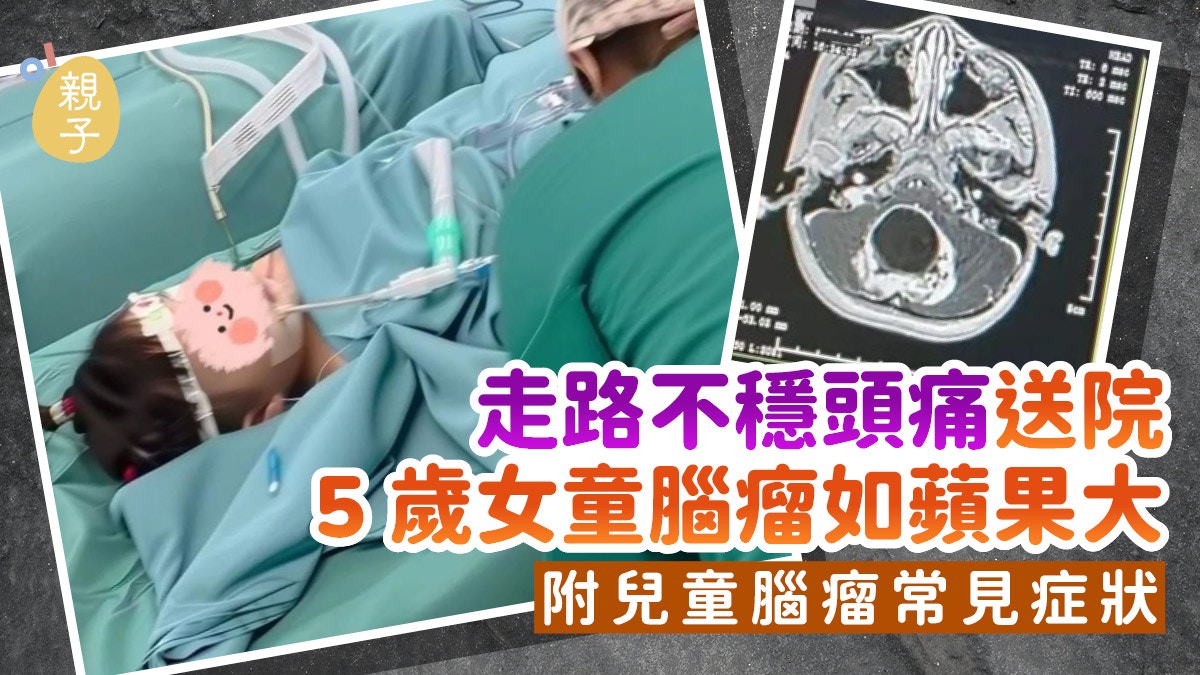
5-Year-Old Girl’s Apple-Sized Brain Tumor: Warning Signs of Headaches, Unsteady Walking & Life-Threatening Pressure
A five-year-old girl recently narrowly escaped a fatal outcome after being admitted to the hospital with a brain tumor the size of an apple. The mass had caused severe compression of the brainstem, manifesting as debilitating headaches and a marked instability in her gait—critical warning signs that often go overlooked in early childhood.
Key Clinical Takeaways:
- Critical Red Flags: Unsteady gait (ataxia) and persistent headaches in children are primary indicators of posterior fossa tumors.
- Life-Threatening Compression: Tumors reaching “apple-sized” proportions often cause brainstem compression, which can lead to immediate respiratory or cardiac failure.
- Urgency of Intervention: Early diagnostic imaging is the only way to prevent permanent neurological morbidity or death in pediatric CNS cases.
The case of this young patient highlights a terrifying clinical reality: the capacity for pediatric brain tumors to grow to a significant volume before presenting unmistakable symptoms. In children, the brain’s plasticity can sometimes mask the early signs of intracranial pressure, leading to a dangerous delay in diagnosis. When a tumor reaches the size of an apple, the resulting “mass effect” displaces healthy brain tissue and compresses the brainstem—the primitive center controlling vital functions like breathing and heart rate.
The Pathogenesis of Posterior Fossa Tumors and Brainstem Compression
Most pediatric brain tumors that present with gait instability are located in the posterior fossa, the area at the back of the skull containing the cerebellum and the brainstem. The pathogenesis typically involves the rapid proliferation of glial cells or primitive neuroectodermal cells. As the tumor expands, it frequently obstructs the flow of cerebrospinal fluid (CSF) through the fourth ventricle, leading to obstructive hydrocephalus.
This accumulation of fluid increases intracranial pressure, which explains the severe headaches reported in the five-year-old patient. When the tumor physically presses against the brainstem, the patient enters a state of critical instability. The brainstem is the narrow conduit for all motor and sensory signals between the brain and the body; compression here disrupts the signals required for balance and coordination, resulting in the “unsteady walk” that eventually led to the child’s hospitalization.
“The challenge with pediatric neuro-oncology is that children often lack the vocabulary to describe a ‘pressure-like’ headache. By the time ataxia or gait instability becomes apparent to parents, the tumor has often reached a volume that threatens the brainstem, making immediate surgical decompression a life-saving necessity.” — Clinical Consensus on Pediatric CNS Tumors
For families noticing subtle changes in a child’s coordination or recurring morning headaches, the window for intervention is narrow. It is imperative to consult with board-certified pediatric neurologists to differentiate between developmental milestones and neurological deficits.
Identifying the “Silent” Symptoms of Pediatric Brain Tumors
The clinical presentation of pediatric brain tumors is often insidious. While this specific case featured a large, apple-sized mass, many tumors begin as small lesions that cause vague symptoms. Medical literature, including guidelines from the World Health Organization (WHO), emphasizes that clinicians must maintain a high index of suspicion when children present with a cluster of specific “red flag” symptoms.

Beyond the unsteady gait and headaches seen in this case, other critical indicators include:
- Nausea and Projectile Vomiting: Often occurring in the morning due to the peak of intracranial pressure after lying flat during sleep.
- Visual Disturbances: Blurred vision or diplopia (double vision) caused by papilledema (swelling of the optic disc).
- Cognitive or Behavioral Shifts: Sudden irritability, lethargy, or a decline in school performance.
- Cranial Nerve Palsies: Drooping eyelids or difficulty swallowing, indicating direct brainstem involvement.
Because these symptoms can mimic common childhood illnesses or behavioral issues, the role of high-resolution imaging is paramount. Families are encouraged to seek evaluations at advanced diagnostic imaging centers capable of performing pediatric-specific MRI protocols to ensure early detection of space-occupying lesions.
Surgical Intervention and the Standard of Care
Once a tumor of this magnitude is identified, the immediate clinical priority is the reduction of intracranial pressure. The standard of care typically involves a craniotomy or a posterior fossa decompression to relieve the pressure on the brainstem. In many cases, a shunt may be placed to drain excess cerebrospinal fluid and treat the associated hydrocephalus.
The long-term prognosis depends heavily on the histological grade of the tumor—whether it is a low-grade pilocytic astrocytoma or a more aggressive medulloblastoma. Research funded by the National Cancer Institute (NCI) has shifted the focus toward precision oncology, utilizing molecular profiling to tailor chemotherapy and radiation dosages, thereby reducing the long-term cognitive morbidity associated with pediatric brain radiation.
“We are moving away from a one-size-fits-all approach in pediatric neurosurgery. By integrating genomic sequencing with surgical resection, we can now target the specific mutations driving the tumor’s growth, significantly improving the survival rates for brainstem-adjacent masses.” — Lead Researcher, Pediatric Oncology Division
Navigating the recovery process requires a multidisciplinary team. Patients recovering from major neurosurgery often require the expertise of specialized pediatric neurosurgeons and rehabilitative therapists to regain motor functions lost during the period of brainstem compression.
The Public Health Gap in Early Detection
This case underscores a significant gap in public health awareness regarding pediatric neurological emergencies. While adult stroke or heart attack symptoms are widely publicized, the signs of pediatric intracranial pressure remain poorly understood by the general public. The fact that a tumor could grow to the size of an apple before the patient was hospitalized suggests a need for better clinical education for primary care providers.
According to longitudinal data available via PubMed, early detection of posterior fossa tumors significantly increases the probability of complete surgical resection and improves the overall quality of life. When the brainstem is compressed for extended periods, the risk of permanent neurological deficit increases, even after the tumor is successfully removed.
The trajectory of pediatric neuro-oncology is moving toward earlier screening and more nuanced diagnostic triggers. As we refine our understanding of the molecular drivers of these tumors, the goal is to move from “crisis management”—as seen in this emergency hospitalization—to proactive identification. Ensuring that every child with unexplained ataxia has immediate access to neurological screening is the only way to prevent these life-threatening scenarios.
The future of treatment lies in the intersection of minimally invasive surgery and targeted molecular therapy. For those seeking the most current clinical trials or specialized care for pediatric neurological conditions, utilizing a vetted directory to find providers who specialize in the latest NCI-funded protocols is the most effective path toward recovery.
Disclaimer: The information provided in this article is for educational and scientific communication purposes only and does not constitute medical advice. Always consult with a qualified healthcare provider regarding any medical condition, diagnosis, or treatment plan.