5 Common Habits That Dramatically Increase Your Skin Cancer Risk
As we navigate the late spring of 2026, the clinical consensus remains unequivocal: the pathogenesis of skin cancer is inextricably linked to cumulative ultraviolet (UV) radiation exposure and preventable behavioral patterns. While public health awareness has expanded, a significant gap persists between clinical knowledge and patient adherence. Addressing these modifiable risk factors is not merely a matter of dermatological hygiene; it is a critical public health strategy to reduce the incidence of basal cell carcinoma, squamous cell carcinoma, and the more aggressive melanoma.
Key Clinical Takeaways:
- Cumulative UV exposure, particularly childhood sunburns, significantly elevates the long-term risk of developing melanoma and other cutaneous malignancies.
- Indoor tanning remains a high-risk behavior, with evidence linking it to a marked increase in the probability of early-onset basal cell carcinoma.
- Sun protection must transition from an occasional precaution to a standard daily clinical protocol to effectively lower skin cancer morbidity.
The Epidemiological Impact of UV Exposure
The biological mechanism behind UV-induced carcinogenesis involves the direct mutation of cellular DNA, specifically the p53 tumor suppressor gene. When keratinocytes and melanocytes sustain repeated damage from UVA and UVB rays, the body’s ability to repair these genetic errors diminishes. Research consistently indicates that the timing and intensity of exposure are paramount. Epidemiological data suggests that a history of severe sunburns, especially during childhood and adolescence, serves as a significant clinical marker for future malignancy.
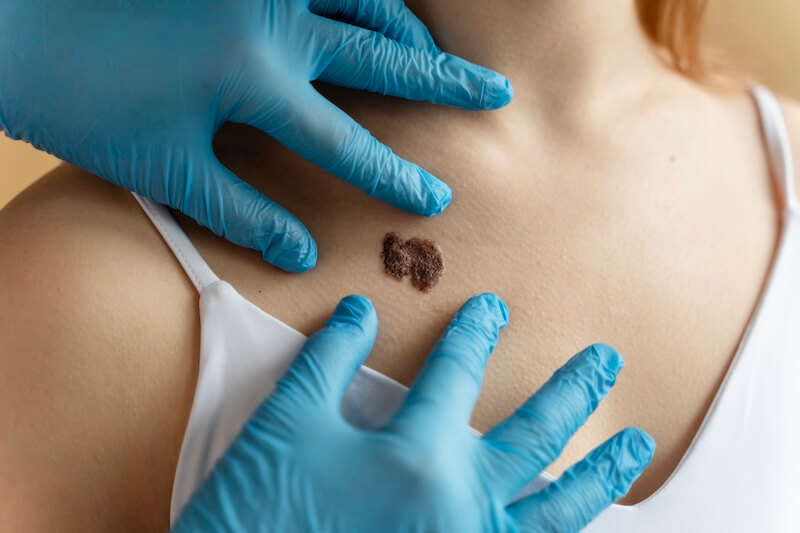
For individuals with a personal or family history of skin cancer, or those presenting with atypical nevi, proactive surveillance is the current standard of care. Identifying these vulnerabilities early requires a partnership with specialized clinical providers. Patients seeking comprehensive skin cancer screenings or advanced dermatological assessments are advised to consult board-certified dermatologists to establish a baseline for long-term monitoring.
Deconstructing Common Misconceptions
Public health discourse is often clouded by persistent myths regarding sun exposure. One prevalent fallacy is that base tanning—often sought through indoor tanning salons—provides a protective foundation against further damage. Clinical evidence refutes this entirely. Indoor tanning sessions deliver high-intensity UV radiation that accelerates the photoaging process and significantly increases the risk of developing carcinomas before the age of 40. The medical community emphasizes that there is no such thing as a “safe tan.”

“The cumulative nature of UV damage means that every intentional exposure, whether through solar radiation or artificial sources, contributes to the overall risk profile. We must move beyond the cosmetic appeal of tanning and recognize it as a significant, avoidable medical risk factor.”
This reality necessitates a shift in how patients approach skin health. For those who have engaged in high-risk behaviors, such as frequent indoor tanning, the need for specialized diagnostic imaging and biopsy services is heightened. Connecting with accredited diagnostic centers is essential for the early detection and management of potential lesions, ensuring that interventions occur at the most treatable stages of the disease.
Clinical Triage and Prevention Strategies
Effective prevention is rooted in the consistent application of broad-spectrum sunscreens, the use of protective apparel, and the avoidance of peak UV hours. However, for the high-risk population, these measures are insufficient on their own. Institutional guidance from the World Health Organization highlights that behavioral modification is the most cost-effective tool in the oncology toolkit.
When assessing a patient’s risk, clinicians look at a range of phenotypic markers: lighter natural skin color, a history of frequent sunburns, and the presence of numerous moles. These factors create a clinical mandate for personalized risk assessment. Physicians and healthcare organizations are increasingly utilizing specialized oncology consultants to develop tailored surveillance programs for patients who fall into the high-risk category. By integrating these strategies into routine primary care, we can mitigate the impact of environmental exposure on long-term health outcomes.
The Future of Dermatological Surveillance
As we advance toward more personalized medicine, the focus is shifting toward molecular diagnostics and artificial intelligence-assisted imaging. These tools are designed to augment the standard clinical examination, providing higher sensitivity in identifying malignant transformations before they become clinically apparent. The integration of these technologies into private practice and hospital settings will be the next frontier in skin cancer prevention. Organizations currently exploring these diagnostic advancements are encouraged to retain healthcare compliance attorneys to navigate the complex regulatory landscapes governing medical technology deployment and patient data privacy.

The trajectory of this research points toward a future where preventative screenings are as common as blood pressure checks. Until that point, the responsibility lies in bridging the gap between current clinical knowledge and individual patient habits. By prioritizing evidence-based protection and professional screening, we can significantly alter the current epidemiological trends of skin cancer.
Disclaimer: The information provided in this article is for educational and scientific communication purposes only and does not constitute medical advice. Always consult with a qualified healthcare provider regarding any medical condition, diagnosis, or treatment plan.