5 Antioxidant Foods for Glowing Skin and UV Protection
Dietary intake of antioxidant-rich foods serves as a systemic biological defense against ultraviolet (UV) radiation-induced oxidative stress. While topical photoprotection remains the primary standard of care, evidence suggests that systemic micronutrients mitigate the pathogenesis of photoaging and cellular damage by neutralizing free radicals generated by sun exposure.
- Antioxidant-rich foods do not replace topical sunscreen but provide additive protection against reactive oxygen species (ROS) produced by UV radiation.
- Data indicates that carotenoids, Vitamin C, and Vitamin E contribute to the maintenance of the skin’s structural integrity and barrier function.
- Systemic photoprotection is a long-term physiological process; measurable improvement in skin resilience typically requires consistent dietary adherence rather than acute intervention.
Biological Mechanisms of Dietary Photoprotection
The skin acts as the body’s primary interface with environmental stressors. When UV light penetrates the dermal layers, it triggers the formation of reactive oxygen species, which overwhelm the skin’s endogenous antioxidant capacity. High concentrations of dietary antioxidants—specifically beta-carotene, lycopene, and tocopherols—accumulate in the epidermis to neutralize these free radicals before they can damage lipid membranes and DNA.
For patients managing chronic photodamage or those with high-risk profiles, specialized dermatological oversight is necessary. If you are concerned about long-term skin health or require a clinical assessment of your dermal barrier integrity, it is recommended to consult with [Dermatologists] to establish a medically supervised skincare and nutritional plan.
Evaluating Nutritional Interventions for Skin Resilience
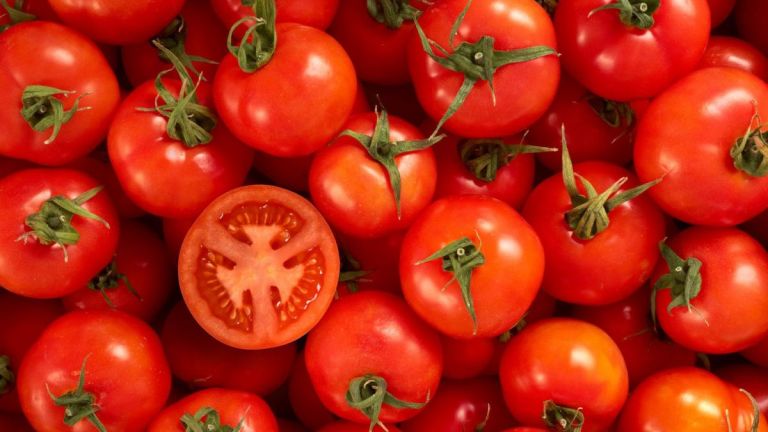
Common dietary sources include tomatoes (lycopene), citrus fruits (Vitamin C), and nuts (Vitamin E). These foods serve as essential co-factors in collagen synthesis and the maintenance of the skin barrier. However, medical professionals warn against viewing these as standalone solutions. Nutrition forms only one pillar of skin health, which must be supported by evidence-based hygiene and protection protocols.

There is a distinct contrast between the marketing of “glowing skin” trends and clinical dermatological practice. While lifestyle media outlets frequently promote morning routines for immediate aesthetic results, the physiological repair of the skin barrier is a slow, cellular process. The standard of care for preventing UV-related morbidity involves the strict application of broad-spectrum sunscreen, regardless of dietary habits.
Clinical Triage and Professional Oversight
Patients often seek dietary modifications as a response to perceived skin dullness or premature aging. It is critical to differentiate between cosmetic concerns and clinical dermatological conditions. Patients experiencing persistent erythema, rapid onset of hyperpigmentation, or suspicious nevi should bypass lifestyle-based advice and seek a professional diagnostic consultation. Engaging with a [Clinical Diagnostic Center] ensures that potential underlying conditions are not masked by self-directed nutritional changes.

Furthermore, for those involved in the pharmaceutical or nutraceutical supply chain, the shift toward evidence-based dermatological nutrition requires rigorous attention to clinical labeling and regulatory compliance. Organizations developing skin-health supplements are advised to retain [Healthcare Compliance Attorneys] to ensure that marketing claims align with current guidance on structure/function statements, avoiding the legal risks associated with unsubstantiated medical claims.
The Future of Systemic Photoprotection Research
Current research is transitioning toward identifying the optimal bioavailability of oral antioxidants to maximize photoprotective efficacy. Future studies are expected to utilize double-blind, placebo-controlled trials to determine if specific dietary patterns can reduce the incidence of non-melanoma skin cancers. Until these longitudinal data sets are finalized, the medical community maintains that diet should be viewed as a complementary strategy to, not a replacement for, conventional sun-safety measures.
Disclaimer: The information provided in this article is for educational and scientific communication purposes only and does not constitute medical advice. Always consult with a qualified healthcare provider regarding any medical condition, diagnosis, or treatment plan.