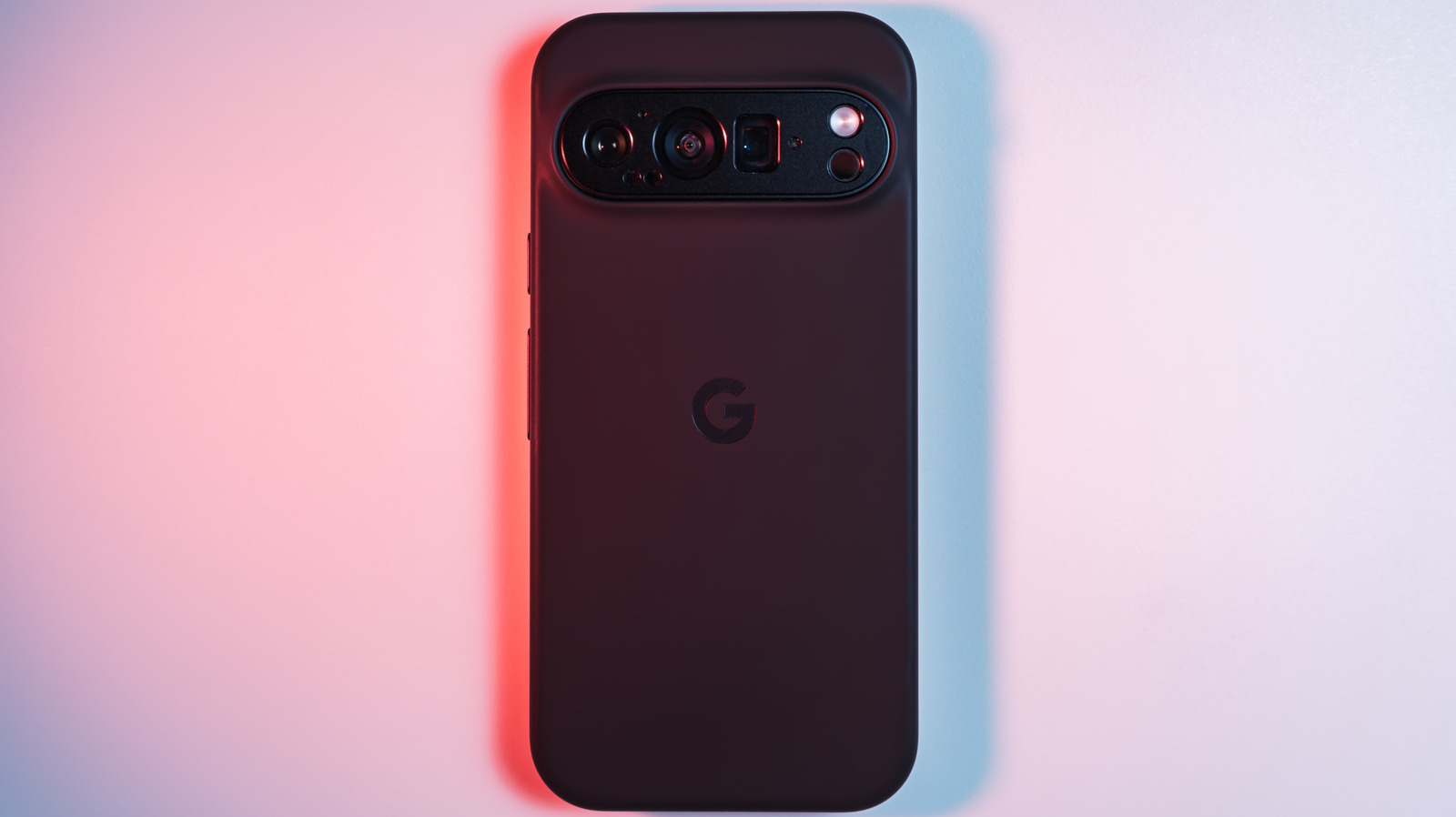
4 Samsung Galaxy Features You Will Miss When Switching to Google Pixel
Disadvantages Of Switching From Samsung To A Google Pixel Phone: Hardware and Feature Trade-Offs
Switching from a Samsung Galaxy device to a Google Pixel smartphone involves distinct software and hardware trade-offs that impact daily usability, customization, and advanced integrations. According to hardware breakdowns reported by Ars Technica, abandoning the Galaxy ecosystem means walking away from a massive suite of proprietary tools, hardware redundancies, and deep multitasking capabilities that stock Android or Pixel UI simply does not replicate out of the box.
The Tech TL;DR:
- Ecosystem Loss: Users sacrifice Samsung’s proprietary apps, desktop-like Samsung DeX mode, and deep integration with SmartThings hardware.
- Customization Gap: Pixel UI offers a cleaner aesthetic, but lacks the granular system-level tweaking found in Samsung’s Good Lock suite.
- Hardware Flexibility: Transitioning removes physical hardware advantages like dedicated long-range telephoto glass on non-Ultra models and advanced stylus (S Pen) support.
Losing Samsung DeX and Desktop Productivity Integration
One of the most consequential software losses when leaving Samsung is the absence of Samsung DeX. Per developer and enterprise workflow analyses on Stack Overflow, mobile power users rely on DeX to dock their smartphones into external displays, transforming mobile hardware into a functional desktop workstation with multi-window support and keyboard-mouse mapping. Google Pixel devices currently lack an equivalent native desktop environment. While Pixels support basic video-out via USB-C DisplayPort Alternate Mode, the interface remains a mirrored or scaled mobile display rather than a fully containerized desktop window manager. For enterprise consultants and mobile system administrators accustomed to running diagnostic tools directly from a docked phone, this architectural limitation requires leaning on specialized

Navigating the Good Lock Customization Deficit
Samsung’s Good Lock framework allows developers and power users to deeply reconfigure system UI elements, notification panels, and multi-window behaviors at the package management level. By contrast, Google Pixel’s Material You design language prioritizes dynamic theming based on wallpaper color extraction rather than structural interface modifications. According to community-driven code repositories on GitHub, users moving to Pixel hardware frequently miss the ability to remap hardware keys, customize recent apps layouts vertically, or run advanced split-screen window arrangements without installing third-party launchers that may introduce input latency or memory management overhead.
Hardware Ecosystem and Camera Versatility Trade-Offs
While Google’s Tensor processing units excel at on-device machine learning tasks and computational photography pipelines, standard Pixel hardware often lags behind Samsung’s flagship Galaxy S series regarding physical zoom capabilities. Non-Ultra Samsung devices routinely pack dedicated telephoto lenses with optical reach that surpasses base-model Pixel offerings. Furthermore, smart home integration suffers when dropping out of the SmartThings ecosystem. Enterprises and smart-home enthusiasts utilizing Zigbee or Matter protocols embedded directly into Samsung appliances lose seamless local control nodes, necessitating a migration of automation scripts to alternative hubs. When migration issues cause smart office or home downtime, integrators often turn to enterprise software consultants to refactor legacy mobile deployment pipelines.