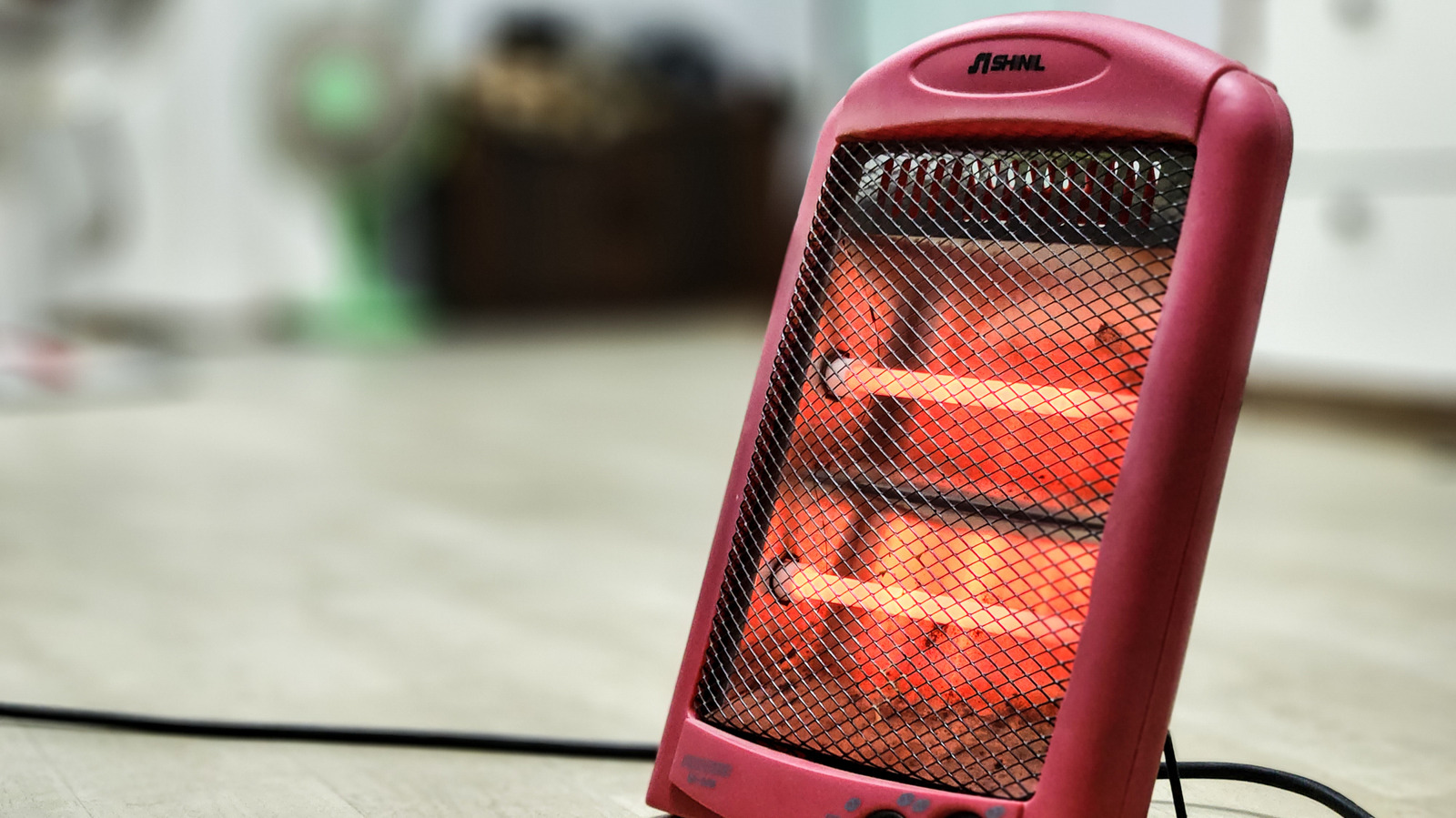
4 Dangerous Places You Should Never Put a Space Heater
Portable space heaters pose fire risks in homes, contributing to 25,000 fires and more than 300 deaths annually according to the Missouri Department of Public Safety. To mitigate these hazards, users must maintain proper clearance and avoid placing units in specific high-risk locations throughout the home during the winter season.
Maintaining Distance from Combustibles
Safety experts advise keeping heating units at least three feet away from curtains, bedding, and upholstered furniture. The United States Consumer Product Safety Commission recommends maintaining this clearance on all sides of the device to prevent fabrics from catching fire due to prolonged heat exposure.
Curtains are a specific concern, as drafts can easily push material into the heating element. Users should never place blankets or quilts over a heater. Devices should be set on non-carpeted surfaces, such as ceramic tile, to avoid direct contact with flooring.
Avoiding Enclosed Workspace Hazards
While many workers use space heaters under desks, this practice creates multiple safety concerns. Beyond the risk of accidental contact, enclosed areas can trap heat near wooden panels, electrical cords, or paper waste.
Because these units draw between 400 and 1,500 watts, plugging them into crowded office power strips can overload circuits and cause wiring to overheat. The safest approach involves keeping the unit on a level floor at least three feet from other objects and plugging it directly into a wall outlet.
Preventing Bathroom Electrocution Risks
Using a portable heater in a bathroom environment introduces a high risk of electrocution, particularly if the floor is wet. Humidity in bathrooms can also damage internal components not built for damp conditions. While the safest option is to avoid using these devices in the bathroom entirely, those who do must ensure the room is equipped with ground-fault circuit interrupter (GFCI) outlets.
These safety devices detect ground faults and shut off power to prevent shocks. Using a unit with an appliance leakage current interrupter (ALCI) plug provides an additional layer of protection against electrical current fluctuations.
The Missouri Department of Public Safety manages broad oversight of state safety standards through its specialized divisions. Specifically, the Missouri Division of Fire Safety serves as the primary unit responsible for fire prevention and public safety, tasked with investigating fires across the state while providing training and certification for firefighters and emergency personnel. This division also maintains regulatory authority over the safety of boilers, explosives, fireworks, and amusement rides.
Mitigating Vapors in Workshops
Garages and workshops often house flammable liquids like gasoline or paint thinner, which release vapors that can ignite if they reach a heat source. The Occupational Safety and Health Administration maintains standards for heating equipment in workplaces to ensure such vapors remain clear of ignition sources.
Users should keep combustible materials like oily rags or cardboard away from heaters and avoid using them in poorly ventilated areas. For those requiring supplemental heat in a garage, the Newair G56 is a model certified for such environments. Proper operation requires following manufacturer placement instructions and ensuring the unit is never left unattended.